Tired of losing and regaining the same weight? Learn why yo-yo dieting gets worse after 30 and how the FreshStart30 framework helps you build a sustainable reset instead.

Yo-Yo Weight Loss After 30: Stop Starting Over
If you want to know how to stop yo-yo dieting after 30, the first thing to understand is that the problem is rarely willpower — it is the approach itself. The FreshStart30 framework was built specifically for adults whose metabolism, hormones, and daily demands have changed, making the old diet-and-restrict cycle not just ineffective but actively counterproductive. In this guide, we break down exactly why weight cycling gets worse after 30 and what a sustainable reset actually looks like.
Pricing, plan tiers, and program inclusions are accurate as of publication and may change. Individual results vary. Statements have not been evaluated by the FDA. FreshStart30 is not intended to diagnose, treat, cure, or prevent any disease.
Weight cycling — losing weight, regaining it, and starting over — is one of the most common and frustrating patterns adults face after 30. It is not a character flaw. It is a predictable outcome of approaches that were never designed for the metabolic reality of adults in their 30s, 40s, and 50s. Understanding why the cycle happens is the first step to breaking it permanently.
Why Yo-Yo Weight Loss Often Gets Worse After 30
After 30, several biological shifts converge to make the traditional diet-restrict-rebound cycle more punishing. Resting metabolic rate tends to decline gradually with age, partly due to natural muscle loss. Hormonal changes — including shifts in cortisol, insulin sensitivity, estrogen, and testosterone — alter how the body stores and releases fat. According to the Cleveland Clinic, these metabolic changes are real and measurable, and they mean that the same calorie-cutting approach that worked at 25 often produces diminishing returns by 40.
The result: each diet cycle tends to feel harder, produce less, and end faster than the last. This is not imagination — it is physiology. And it is exactly why a different framework is needed.
What Repeated Dieting Is Really Doing to Your Body and Mind
Repeated cycles of severe restriction followed by rebound eating can affect more than the number on the scale. Research suggests that weight cycling may influence metabolic adaptation, making the body more efficient at storing energy after periods of deprivation. Psychologically, each failed attempt reinforces an all-or-nothing mindset: “I blew it, so I might as well start fresh Monday.” That mental pattern is one of the most powerful drivers of the yo-yo cycle — and one of the hardest to break without a structured system.
The Mayo Clinic notes that metabolism is influenced by multiple factors including muscle mass, activity level, and age — all of which interact with how the body responds to caloric restriction over time. Crash diets that strip muscle along with fat leave the body in a worse metabolic position than before the diet started.
The 7 Hidden Triggers That Keep You Starting Over
Most adults who yo-yo diet are not failing because they lack discipline. They are failing because unaddressed triggers keep pulling them off track. The seven most common hidden triggers include:
- Insulin resistance — elevated blood sugar and insulin levels drive cravings and fat storage, especially around the midsection. The Cleveland Clinic explains how insulin resistance develops and why it makes weight loss harder.
- Chronic stress and elevated cortisol — stress hormones signal the body to hold onto fat, particularly visceral fat.
- Poor sleep quality — inadequate sleep disrupts hunger hormones (ghrelin and leptin), increasing appetite and cravings the following day.
- Skipping meals — irregular eating patterns spike and crash blood sugar, making overeating almost inevitable later in the day.
- Nutrient-poor “diet” foods — low-calorie processed foods that lack fiber, protein, and healthy fats leave you hungry and unsatisfied.
- No structured plan — winging meals daily is a recipe for decision fatigue and poor choices under pressure.
- Comparing your results to people in their 20s — metabolic timelines are different after 30, and expecting the same speed sets up unrealistic benchmarks.
Why Extreme Diets Fail Busy Adults 30+
Extreme diets — severe calorie restriction, elimination of entire food groups, or rigid meal timing protocols — share a common flaw: they require conditions that real adult life rarely provides. Work deadlines, family meals, travel, and social events make rigid diet rules unsustainable within weeks. As Johns Hopkins Medicine notes, fad diets may produce short-term results but rarely lead to lasting change because they do not address the behavioral and environmental factors that drive eating habits.
For adults over 30 managing careers, families, and increasing health complexity, the answer is not a stricter diet — it is a smarter system.
How to Build a Sustainable Reset Instead of Another Short-Term Diet
A sustainable reset has three non-negotiable components: a structured starting point, a real-food nutrition framework, and a habit-building system that works in real life. The starting point matters because most adults who yo-yo diet have never had a clean 30-day window where they followed a consistent, evidence-based approach from day one to day thirty. Without that foundation, habits never solidify.
Real-food nutrition — centered on anti-inflammatory whole foods, adequate protein, fiber-rich vegetables, and healthy fats — stabilizes blood sugar, reduces cravings, and supports metabolic function in ways that processed “diet” foods cannot. The Harvard Health anti-inflammatory food guide provides a strong evidence base for why food quality matters as much as quantity.
Habit formation is the third pillar. Research on how long it takes to form a habit suggests that consistent repetition over several weeks is what makes new behaviors automatic — which is exactly why a 30-day structured window is so effective as a reset mechanism.
The FreshStart30 Approach to Breaking the On-Off Cycle
FreshStart30 was founded by David Knox Vale, who used a structured anti-inflammatory and metabolic-reset approach to lose 48 pounds in 90 days with a 10-inch waist reduction. That personal experience shaped a program built not around restriction and willpower, but around structure, real food, and habit formation for adults over 30.
Our system provides a complete 30-day metabolic reset that includes a full meal plan, 100+ anti-inflammatory recipes (most under 30 minutes), weekly shopping lists, progress tracking, and a habit-building framework. Everything is designed to work in a real adult’s life — family-friendly meals, no exotic ingredients, no calorie obsession. The goal is to give your metabolism a structured 30-day window to reset, while building the daily habits that prevent you from starting over at day 31.
Simple Meal Planning Habits That Make Consistency Easier
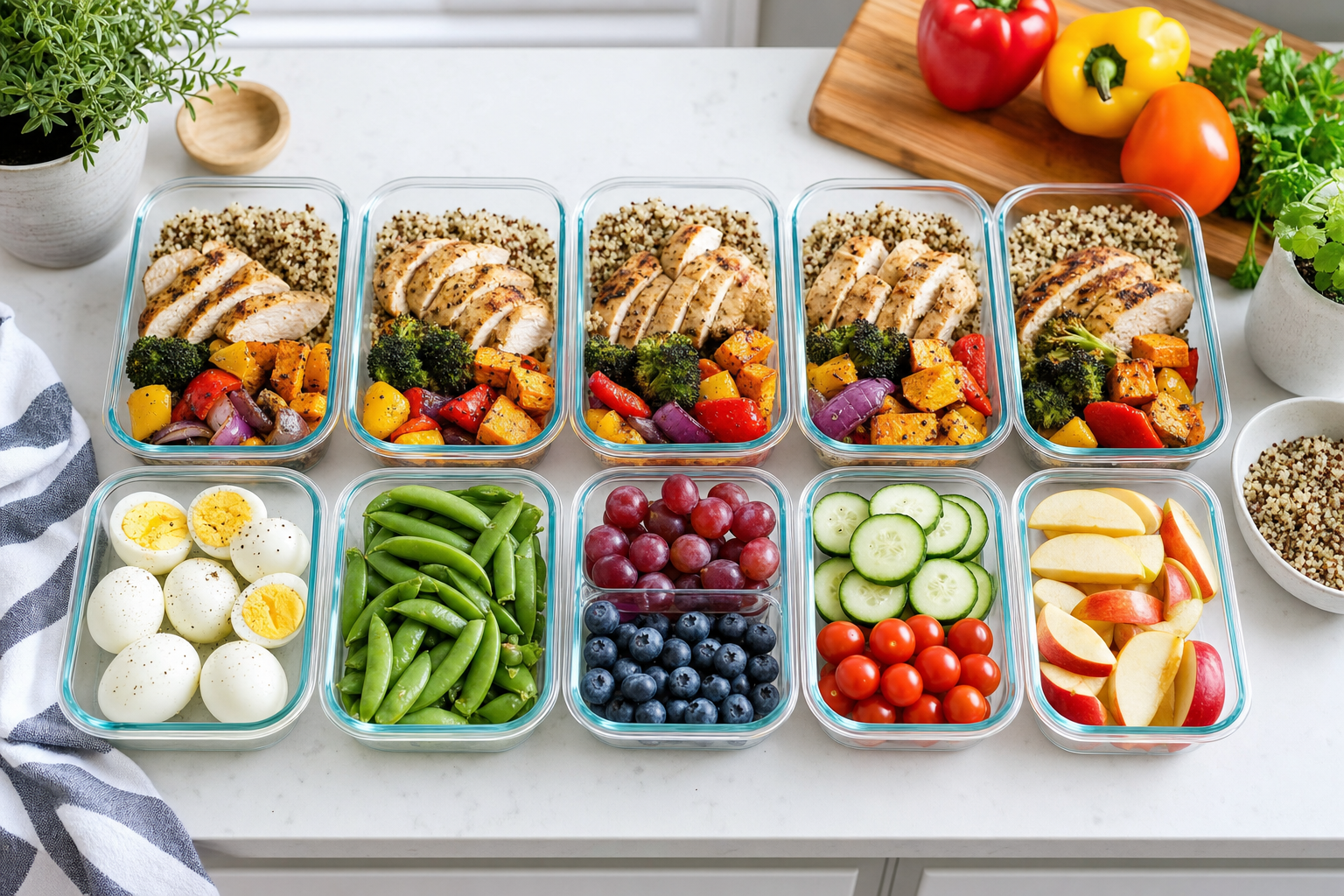
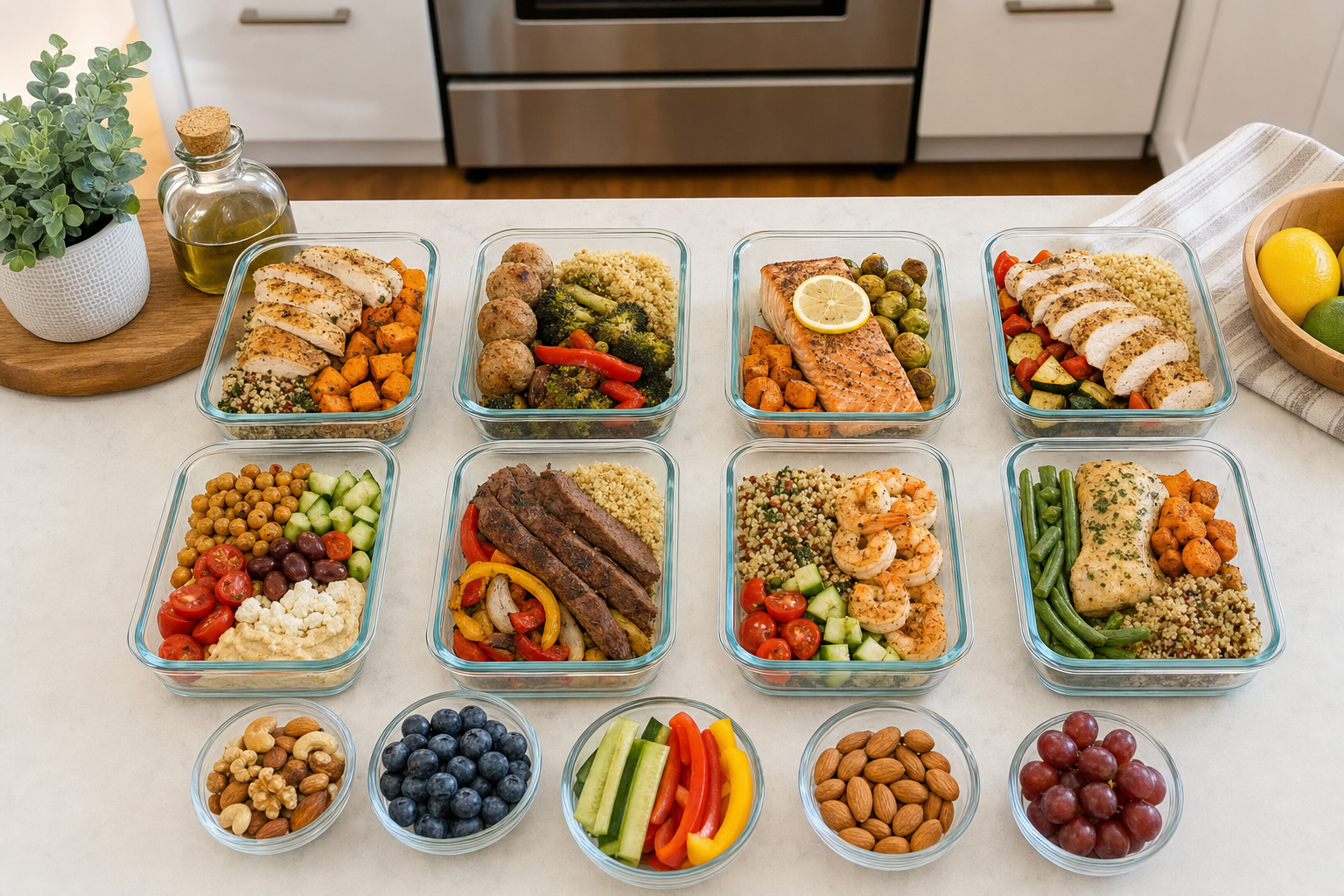
Meal planning is one of the highest-leverage habits for breaking the yo-yo cycle. When meals are decided in advance, decision fatigue drops, impulse eating decreases, and the “I have nothing healthy to eat” moment — which triggers most diet collapses — disappears. At FreshStart30, our meal planning approach is built around three principles: batch-friendly recipes, flexible substitutions, and realistic prep times. You do not need to spend Sunday cooking for six hours. You need a plan that takes 20 to 30 minutes of prep and covers the highest-risk meals of your week.
Practical starting habits include: choosing two or three go-to breakfasts and rotating them, prepping one large batch of protein on Sunday, and keeping five to seven anti-inflammatory snack options stocked at all times. These small structural decisions remove the daily friction that causes most adults to abandon their plan by week two.
What Results to Expect in the First 30 Days
Expectations matter enormously in breaking the yo-yo cycle. Adults who expect dramatic, rapid results in the first two weeks are set up for disappointment and abandonment. A realistic 30-day reset typically produces: reduced bloating and improved digestion in the first week, more stable energy levels by week two, reduced cravings and improved sleep quality by week three, and measurable changes in how clothes fit and how you feel by week four. Individual results vary significantly based on starting point, adherence, sleep, stress, and underlying metabolic factors. The FreshStart30 framework is backed by a 60-day money-back guarantee because we are confident in the system — and because we want you to have enough time to actually experience it.
When Hormones, Stress, or Metabolic Issues May Be Part of the Problem
For some adults over 30, the yo-yo cycle is compounded by hormonal factors that a standard diet approach will not address. Women in perimenopause or menopause may experience weight redistribution, increased insulin resistance, and disrupted sleep that make traditional calorie-cutting approaches particularly ineffective. The Office on Women’s Health provides detailed guidance on how hormonal changes during menopause affect weight and metabolism. Men over 30 experiencing declining testosterone may notice similar patterns: increased body fat, reduced muscle mass, and slower recovery. Chronic stress — regardless of gender — elevates cortisol, which directly promotes fat storage and disrupts sleep, hunger hormones, and blood sugar regulation. If you suspect hormonal or metabolic factors are driving your cycle, speak with your physician. The FreshStart30 framework includes advanced protocols (Hormone Reset for Women and Testosterone Reset for Men Over 30) designed to address these specific patterns within a structured reset approach.
Common Mistakes Adults 30+ Make With Weight Loss
The following mistakes are the most common reasons adults over 30 keep starting over:
- Relying on calorie counting alone — food quality and hormonal response matter as much as quantity after 30.
- Expecting overnight results — metabolic reset takes weeks, not days. Quitting before day 17 means quitting before habits become automatic.
- Falling for fad diets — extreme protocols produce short-term results and long-term metabolic damage.
- Skipping meals to “save calories” — this spikes cortisol, crashes blood sugar, and leads to overeating later.
- Ignoring sleep and stress — two of the most powerful drivers of weight gain and cravings are non-food factors.
- Jumping to supplements — no supplement replaces a structured nutrition and habit framework.
- Comparing your timeline to people in their 20s — metabolic physiology changes with age; your benchmark should be your own progress, not someone else’s.
Your Next Steps: How to Stop Starting Over
Breaking the yo-yo cycle does not require another extreme diet. It requires a structured 30-day window, a real-food plan, and a habit framework built for your actual life. Here is where to start:
- Take the free FreshStart30 Weight Loss Blocker Quiz (2 minutes, no email required) to identify what is specifically blocking your results.
- Choose a membership tier that fits your goals — Free Starter, Premium ($97 one-time), Elite ($297 one-time), or Complete ($397 one-time, lifetime access).
- Follow the 30-day meal plan and anti-inflammatory recipe library for one complete cycle before evaluating results.
- Use the habit-tracking tools to build the three to five daily behaviors that prevent the rebound.
- If hormonal or metabolic factors are a concern, explore the advanced Hormone Reset or Testosterone Reset protocols and discuss with your physician.
Frequently Asked Questions
Why is yo-yo dieting harder to break after 30?
After 30, metabolic rate tends to slow, hormonal shifts affect fat storage and hunger signals, and muscle mass naturally declines — all of which make repeated cycles of restriction and rebound more damaging and harder to escape. A structured metabolic reset addresses these factors directly rather than relying on willpower alone.
Does yo-yo dieting permanently damage your metabolism?
Current evidence suggests that repeated weight cycling can contribute to metabolic adaptation, making the body more efficient at storing fat after restriction periods. However, metabolism is not permanently fixed — a structured reset focused on real food, habit change, and muscle preservation can support metabolic recovery over time. Always consult your physician for personalized guidance.
How is FreshStart30 different from other diet programs?
FreshStart30 is a 30-day metabolic reset built specifically for adults over 30, focused on anti-inflammatory real food, habit formation, and sustainable structure — not calorie counting, extreme restriction, or short-term fixes. It includes a complete meal plan, 100+ recipes, shopping lists, and progress tracking, with one-time pricing and lifetime access.
What is the FreshStart30 money-back guarantee?
FreshStart30 is backed by a 60-day money-back guarantee. If you follow the program and are not satisfied, you can contact support at support@freshstart30.com for a full refund within 60 days of purchase.
How long does it take to break the yo-yo dieting cycle?
Most adults begin to notice meaningful habit stabilization between days 17 and 30 of a structured reset — which is why completing a full 30-day cycle is so important. Sustainable results build over the first one to three months as new eating and lifestyle habits become automatic. Individual timelines vary.
Can hormones cause yo-yo weight gain after 30?
Yes. Hormonal shifts — including changes in estrogen, testosterone, cortisol, and insulin sensitivity — are common after 30 and can significantly affect weight regulation, fat distribution, and hunger signals. FreshStart30 offers advanced Hormone Reset for Women and Testosterone Reset for Men Over 30 protocols for members dealing with these specific patterns. Always consult your physician if you suspect a hormonal condition.
Is FreshStart30 a subscription or a one-time payment?
FreshStart30 uses one-time pricing with lifetime access — no subscriptions, no recurring charges. Plans range from a Free Starter tier to Premium ($97), Elite ($297), and Complete ($397), all paid once with no ongoing fees.
Update Log
- August 2026: Article published covering yo-yo weight loss after 30, hidden triggers of weight cycling, the FreshStart30 metabolic reset approach, meal planning habits, hormonal factors, and common mistakes adults 30+ make with sustainable weight loss.