...

5 Non-Negotiables for Weight Loss After 30 | FreshStart30

Struggling with weight loss after 30? Discover the 5 evidence-based non-negotiables that actually work for adults 30+ — from protein and fiber to sleep, stress, and sustainable movement.

David Knox Vale
David Knox Vale

Creator of Fresh Start 30 — the 30-day metabolic reset that helps real people lose weight, restore energy, and rebuild discipline.

Share:

5 Non-Negotiables for Weight Loss After 30

Weight loss after 30 follows different rules than it did in your twenties — and most popular diets are designed for a metabolism that no longer applies to you. At FreshStart30, we built our entire 30-day metabolic reset around the biological realities adults over 30 actually face: slower metabolism, shifting hormones, rising insulin resistance, and less recovery bandwidth. These five non-negotiables are the foundation of that system.

Most adults over 30 have tried at least one diet that worked briefly, then stopped. That is not a willpower problem — it is a design problem. Diets built around aggressive calorie restriction or extreme food elimination ignore the hormonal and metabolic shifts that begin in your thirties. The five principles below are not trends. They are the evidence-based foundations that the FreshStart30 30-day metabolic reset is built on — and they work precisely because they work with your biology, not against it.

Why Weight Loss After 30 Needs a Different Approach

After 30, several biological shifts converge to make the old rules unreliable. According to the Mayo Clinic, metabolic rate tends to decline with age, partly because adults gradually lose muscle mass — the tissue most responsible for burning calories at rest. At the same time, insulin sensitivity often decreases, meaning the body becomes less efficient at using carbohydrates for energy and more prone to storing them as fat.

Hormonal changes compound this further. Cortisol, estrogen, testosterone, and thyroid hormones all shift during the thirties and forties in ways that affect where fat is stored, how quickly it is mobilized, and how hungry you feel. A diet that ignores these realities — one built purely on eating less and moving more — is working against a system that has fundamentally changed. The five non-negotiables below address each of these shifts directly.

Non-Negotiable #1: Build Every Meal Around Protein and Fiber

Protein is the most metabolically active macronutrient. It requires more energy to digest than carbohydrates or fat, it preserves lean muscle mass during a caloric deficit, and it produces the strongest satiety signal of any food group. Fiber works alongside protein by slowing digestion, blunting blood sugar spikes, and feeding the gut bacteria that influence inflammation and appetite hormones.

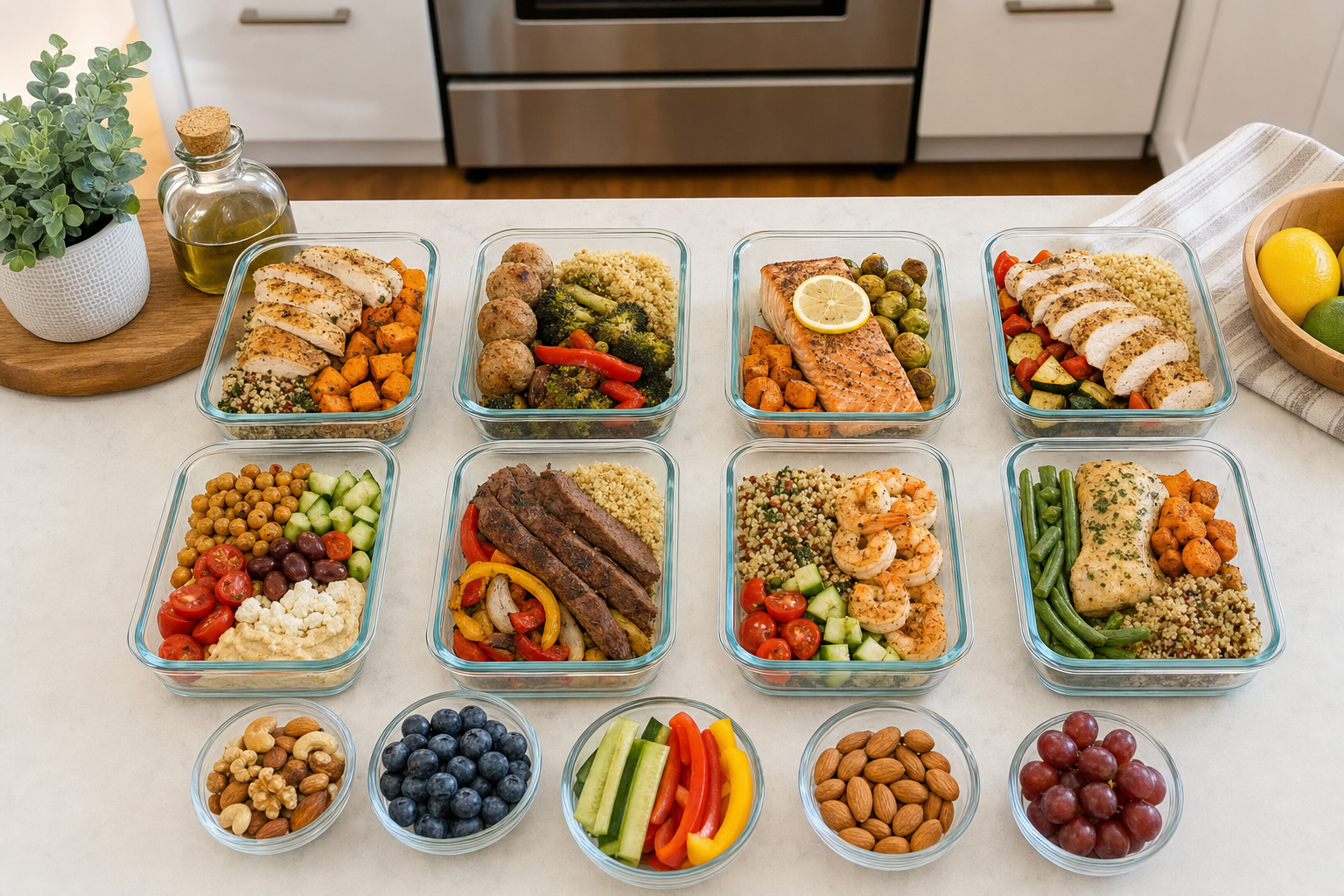
The practical rule is simple: before adding anything else to your plate, ask whether it contains a quality protein source and a high-fiber vegetable or legume. Eggs with leafy greens, grilled chicken with roasted vegetables, lentil soup, salmon with broccoli — these are the structural templates that make every other habit easier. The FreshStart30 Complete 30-Day Meal Plan is built entirely around this protein-and-fiber-first framework, with over 100 anti-inflammatory recipes that take most adults under 30 minutes to prepare.

Non-Negotiable #2: Stabilize Blood Sugar With Anti-Inflammatory Food Choices

Insulin resistance — a condition in which cells become less responsive to insulin’s signal to absorb glucose — is increasingly common in adults over 30 and is one of the primary reasons standard diets stop working. The Cleveland Clinic notes that insulin resistance is closely linked to weight gain around the midsection, fatigue, and difficulty losing weight even with dietary changes.

Anti-inflammatory eating directly addresses this. Foods like leafy greens, berries, fatty fish, olive oil, nuts, seeds, and legumes reduce systemic inflammation and improve insulin sensitivity over time. Processed foods, refined sugars, and seed oils do the opposite. Harvard Health’s research on anti-inflammatory nutrition consistently shows that dietary pattern — not any single superfood — is what drives meaningful metabolic improvement.

Non-Negotiable #3: Follow a Repeatable Meal Planning System

Decision fatigue is one of the most underestimated obstacles to consistent eating. When you have to decide what to eat three times a day, seven days a week, willpower becomes the bottleneck — and willpower is a finite resource. A repeatable meal planning system removes that bottleneck entirely.

This does not mean eating the same meal every day. It means having a reliable weekly rhythm: a shopping list you trust, a handful of go-to meals for busy nights, and a simple prep routine that takes 30 to 45 minutes on the weekend. The CDC’s nutrition guidance consistently emphasizes that planning and preparation are among the most effective behavioral strategies for maintaining a healthy diet long-term.

Non-Negotiable #4: Prioritize Sleep, Stress, and Hormone-Supportive Habits

Sleep and stress are not lifestyle bonuses — they are metabolic levers. Chronic sleep deprivation raises cortisol, suppresses leptin (the satiety hormone), and elevates ghrelin (the hunger hormone), creating a biochemical environment that drives overeating and fat storage regardless of what you eat. The CDC identifies sleep as a foundational pillar of healthy weight management, not a secondary concern.

Chronic stress produces a similar hormonal cascade. Elevated cortisol over time promotes visceral fat accumulation — the metabolically active fat stored around the abdomen that is most strongly associated with insulin resistance and cardiovascular risk. Hormone-supportive habits — consistent sleep timing, stress reduction practices, adequate hydration, and limiting alcohol — are non-negotiable components of the FreshStart30 framework precisely because no meal plan can fully compensate for a chronically dysregulated stress response.

Non-Negotiable #5: Use Consistent Movement Instead of Extreme Workouts

High-intensity exercise programs are frequently marketed as the fastest path to fat loss. For adults over 30 managing work, family, and recovery capacity, they are also one of the fastest paths to burnout, injury, and quitting. Consistency beats intensity every time when the goal is sustainable fat loss.

Daily walking, resistance training two to three times per week, and non-exercise activity throughout the day (standing, walking between tasks, taking stairs) produce compounding metabolic benefits without the recovery cost of extreme programs. The American College of Sports Medicine’s physical activity guidelines support moderate, consistent movement as the evidence-based standard for long-term weight management in adults.

The Biggest Mistakes Adults 30+ Make When Trying to Lose Weight

  • Relying on calorie counting alone. Calories matter, but food quality, hormone balance, and blood sugar stability matter more for adults over 30. Counting calories without addressing insulin resistance or inflammation rarely produces lasting results.
  • Expecting results in the first two weeks. Metabolic reset takes time. Many adults quit before day 17 — the point at which habit research suggests new behaviors begin to feel automatic.
  • Skipping meals to create a deficit. Skipping meals, especially breakfast, tends to increase cortisol, destabilize blood sugar, and drive overeating later in the day.
  • Comparing progress to people in their twenties. A 42-year-old body is not a 22-year-old body. Comparing timelines or methods across age groups sets an unfair and inaccurate benchmark.
  • Jumping to supplements or extreme programs. No supplement replaces a structured nutrition and habit system. Extreme programs produce short-term results that rarely hold because they are not designed for real life.
  • Ignoring sleep and stress. Adults who optimize food and exercise but neglect sleep and stress management consistently plateau earlier and struggle more with cravings and energy.
  • Following fad diets designed for short-term results. Johns Hopkins Medicine’s overview of fad diets makes clear that most produce short-term weight loss followed by rebound — the opposite of what adults over 30 need.

How the FreshStart30 Protocol Turns These 5 Rules Into a Simple System

FreshStart30 founder David Knox Vale developed the FreshStart30 protocol after losing 48 pounds in 90 days and reducing his waist by 10 inches using the same evidence-based framework described in this article. The program was built specifically because no existing diet system addressed the full picture for adults over 30: metabolism, hormones, blood sugar, meal planning, sleep, stress, and sustainable movement — all in one place.

At FreshStart30, our system gives members a complete 30-day meal plan, 100+ anti-inflammatory recipes (most under 30 minutes), weekly shopping lists, progress tracking, and a habit-building framework that makes all five non-negotiables manageable in real life — even for busy adults with families and full schedules. Membership plans start free, with one-time lifetime access options at $97, $297, and $397 — no subscriptions, no recurring charges.

Pricing, plan tiers, and program inclusions are accurate as of publication and may change. Individual results vary. Statements have not been evaluated by the FDA. FreshStart30 is not intended to diagnose, treat, cure, or prevent any disease.

FreshStart30 is backed by a 60-day money-back guarantee. The program is not a fad diet. It is a structured reset designed to work with the biology of adults over 30 — not the biology of a 22-year-old.

Frequently Asked Questions

Why is weight loss after 30 harder than it was in my twenties?

After 30, metabolic rate tends to slow as muscle mass gradually decreases, insulin sensitivity often declines, and hormones like cortisol, estrogen, and testosterone shift in ways that affect fat storage and appetite. These changes mean that approaches that worked at 22 — like simply eating less — are less effective without addressing the underlying metabolic environment.

Do I need to count calories to lose weight after 30?

Calorie awareness can be useful, but calorie counting alone rarely produces lasting results for adults over 30. Food quality, blood sugar stability, protein and fiber intake, sleep, and stress management all influence fat loss independently of calorie totals. The FreshStart30 framework focuses on these factors rather than strict calorie tracking.

What does anti-inflammatory eating actually mean in practice?

Anti-inflammatory eating means prioritizing whole, minimally processed foods — leafy greens, berries, fatty fish, olive oil, nuts, seeds, and legumes — while reducing refined sugars, processed foods, and seed oils. It is a dietary pattern, not a single food or supplement, and it directly supports insulin sensitivity and metabolic health over time.

How much exercise do I actually need to lose weight after 30?

Consistency matters more than intensity. Daily walking combined with two to three sessions of resistance training per week is sufficient for most adults over 30 to support fat loss and preserve muscle mass. Extreme workout programs often lead to burnout and injury, which interrupts the consistency that drives long-term results.

Does FreshStart30 come with a money-back guarantee?

Yes. FreshStart30 is backed by a 60-day money-back guarantee. All membership plans are one-time payments with lifetime access — no subscriptions or recurring charges. Plan options include a free starter tier, Premium at $97, Elite at $297, and Complete at $397.

How long does it take to see results with the FreshStart30 system?

Individual results vary. The FreshStart30 program is a 30-day metabolic reset, and many members begin noticing changes in energy, digestion, and appetite within the first two weeks. Sustainable fat loss typically becomes more visible between weeks three and six as habits become more automatic and metabolic function improves. Always consult your physician for personalized guidance.

Is FreshStart30 suitable for women going through perimenopause?

Yes. FreshStart30 offers a dedicated Hormone Reset for Women protocol designed specifically for women aged 30 to 50, including those navigating perimenopausal hormonal shifts. The program addresses the specific metabolic and hormonal factors that affect weight loss during this life stage. Consult your physician before starting any new program if you have hormone-related health conditions.

Update Log

  • August 2026: Article published covering the five evidence-based non-negotiables for weight loss after 30, including anti-inflammatory nutrition, blood sugar stabilization, meal planning systems, sleep and stress management, and sustainable movement — all within the FreshStart30 framework.
author avatar
David Knox Vale

Start Your Recovery Journey Today

Booking is quick, free, and confidential. Get the clarity you need to take control of your health.


David Knox Vale

David Knox Vale

David Vale is the creator of Fresh Start 30, a practical 30-day health reset built to burn fat, reset metabolism, and restore energy—without starvation or gym marathons. After losing 48 pounds using his own Metabolism Shock Method (strategic meal timing, precise portions, and daily movement), he turned that personal win into a repeatable system busy people can follow and stick to.