Learn what insulin resistance means, why symptoms cannot diagnose it, and how to discuss testing and meal planning with your healthcare team.

Evidence and program information reviewed September 2026
Insulin Resistance After 30: What to Know Before Changing Your Diet
If you are worried about blood sugar, the useful next step is reliable information and an individual assessment. Tiredness, cravings and a changing waistline do not tell you which condition you have. Buying a meal plan cannot establish that diagnosis either.
Health information: This article is general education. If you have diabetes, take blood-sugar-lowering medication or need a therapeutic diet, work with your healthcare team before making substantial meal or activity changes. Do not change medication based on this page.
Insulin resistance is not the same as a diabetes diagnosis
The NIDDK’s insulin resistance and prediabetes guide explains the distinction. Prediabetes means blood glucose is above the normal range but below the diabetes threshold. Risk can rise with age, family history, some health conditions and other factors; there is no automatic diagnosis at 30.
Clinicians commonly use A1C or fasting plasma glucose to assess prediabetes; an oral glucose tolerance test is sometimes used. Direct insulin-resistance testing is primarily a research tool. A fasting-insulin panel or HOMA-IR calculation is not a routine requirement for everyone concerned about weight.
Prepare for a useful conversation with your clinician
Describe what has changed, how long it has been happening, and which medicines or supplements you take. Bring previous test results if you have them. Ask:
- Do my history and risk factors suggest that screening is appropriate?
- What do my existing results mean, and when should they be checked again?
- Would a registered dietitian or diabetes educator help me create a suitable plan?
- What should I consider before changing meals or exercise while taking my medication?
You do not need to arrive with a self-diagnosis. Persistent symptoms deserve attention even if they do not point to insulin resistance. A general wellness quiz should not replace that conversation.
Make meal planning fit your actual needs
The CDC’s healthy-eating resources for diabetes recommend working with a dietitian or diabetes educator on a personal eating plan. Portions, carbohydrate choices and timing can matter, especially alongside medication. No single recipe guarantees a particular glucose response.
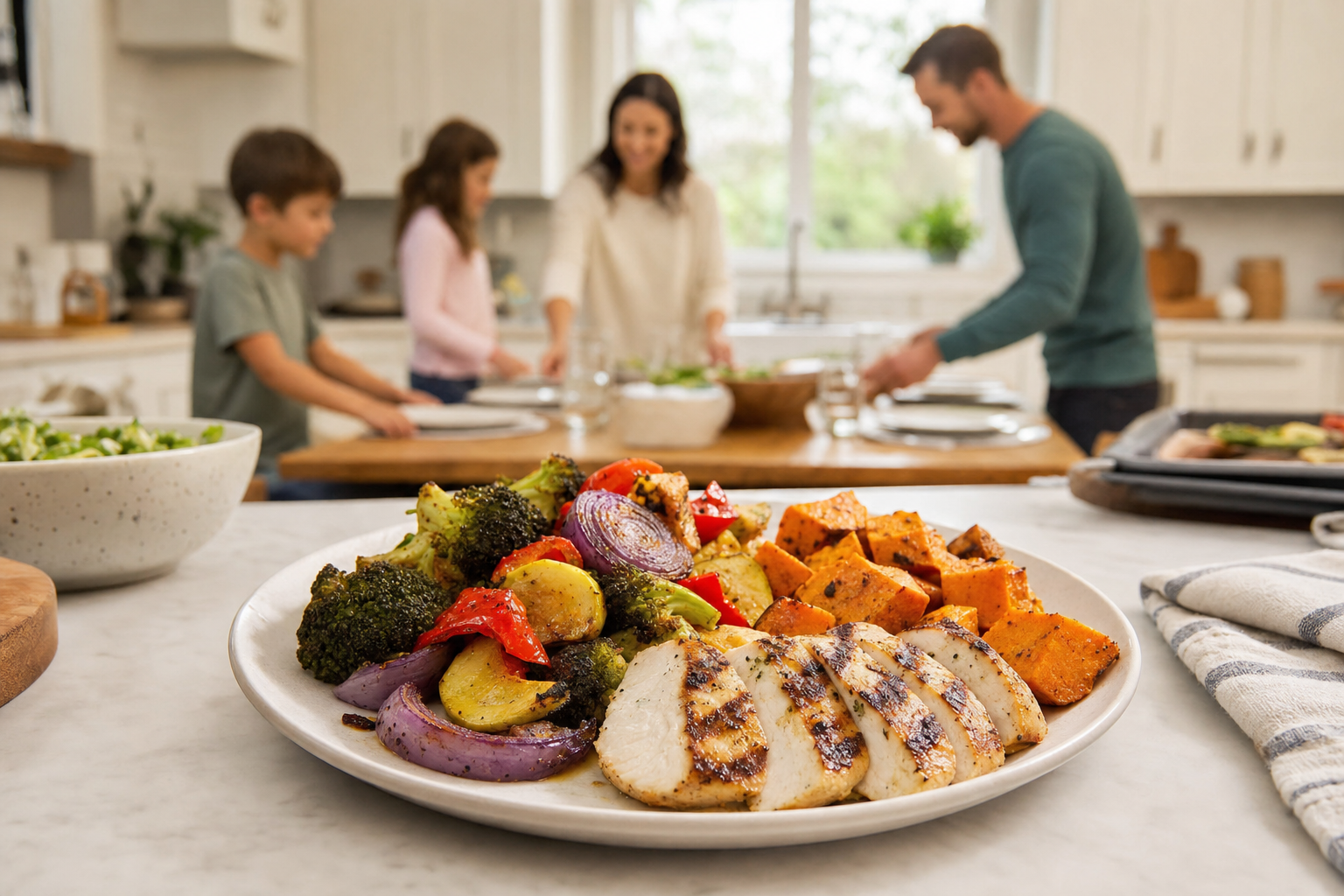
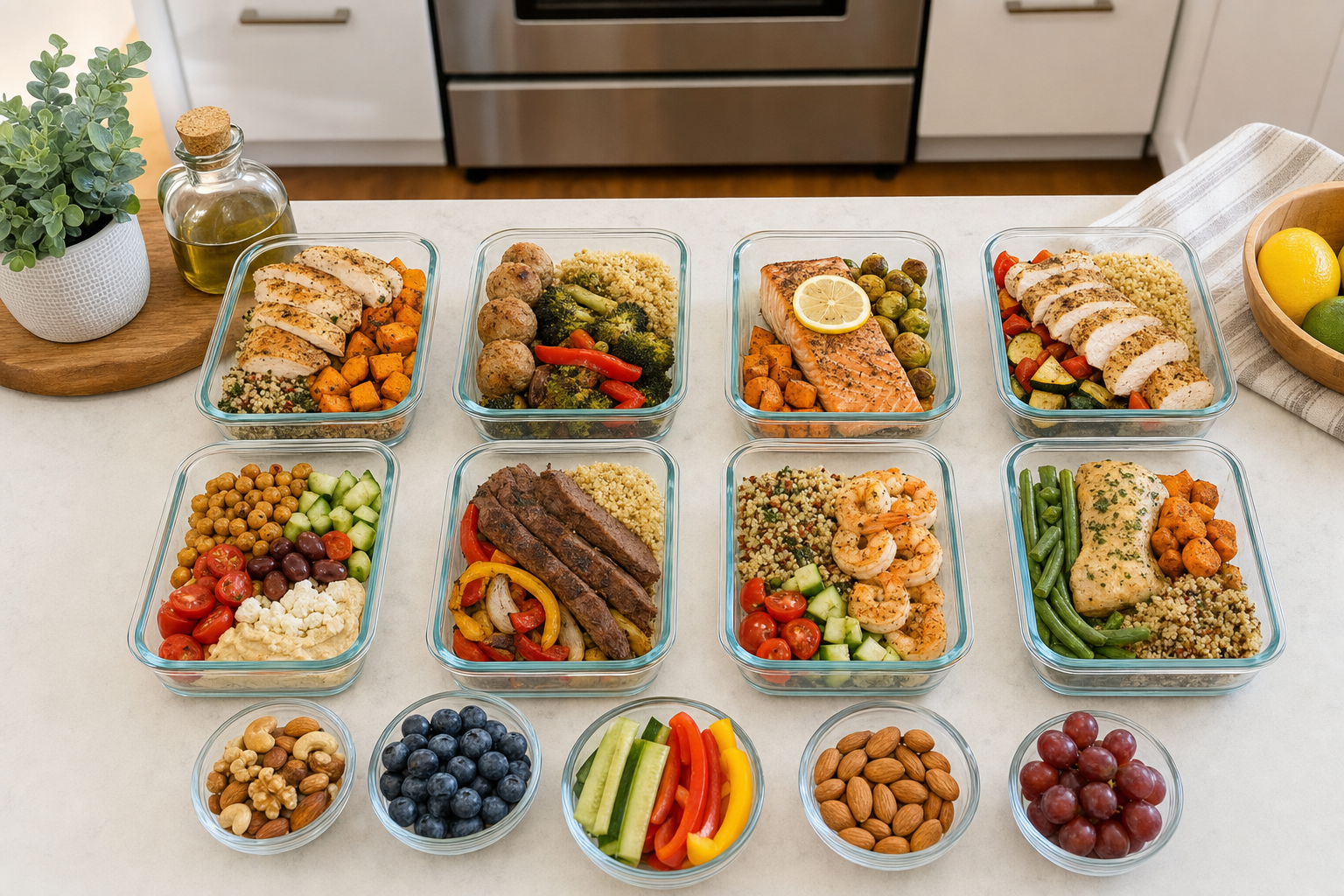
For everyday organization, begin with meals you already like. Write down the ingredients, decide what can be prepared ahead, and make substitutions for budget, allergies and preferences. A repeatable shopping list is often more useful than a long list of forbidden foods.
- Vegetables: Keep fresh, frozen or suitable canned options available.
- Protein choices: Plan around foods you enjoy, such as beans, tofu, eggs, fish or poultry.
- Carbohydrate foods: Discuss portions and choices with your care team when following a blood-sugar management plan.
- Drinks: Keep water or an unsweetened option easy to reach.
- Backup meals: Choose one simple option for evenings when cooking is unrealistic.
Avoid promises that one ingredient, a strict clock schedule or a “detox” will resolve the condition. Your eating plan should work with your medical care.
An example day of meals
This retains the original article’s practical food ideas. It is an illustration, not an individualized diabetes meal plan. Portions, carbohydrates, allergies and medication needs have not been assessed for you.
- Breakfast: Eggs scrambled with spinach, avocado and whole-grain toast.
- Lunch: A salad with chicken or tofu, chickpeas, vegetables and an olive-oil-and-lemon dressing.
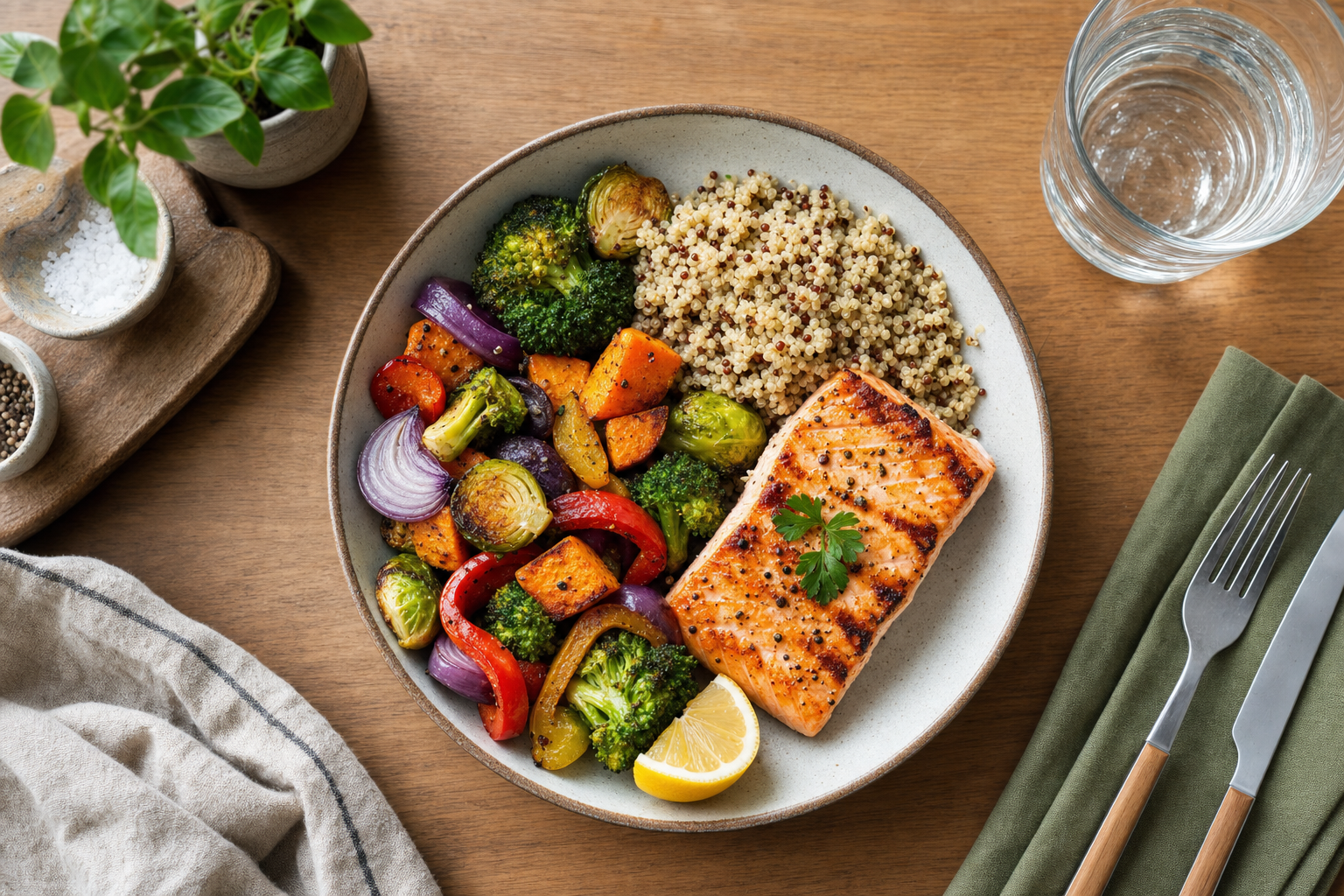
- Dinner: Salmon or tofu with roasted broccoli and quinoa.
- Optional snack: Plain yogurt with berries or a small portion of nuts, if suitable for your needs.
To reduce preparation work, cook a grain once, wash vegetables ahead and plan how leftovers will be used. The meal-prep guide offers more organization ideas.
Choose support that matches the problem
NIDDK’s diabetes-prevention guidance describes sustained activity, eating changes and weight management where appropriate as ways to lower risk. Some people also need medication. Ask your clinician whether a recognized diabetes-prevention program is suitable.
That evidence does not establish that FreshStart30 produces the same outcomes as the Diabetes Prevention Program. FreshStart30 is not presented here as a CDC-recognized prevention program, clinical intervention or substitute for diabetes education.
There is no promised 30-day improvement in laboratory results. If your clinician recommends follow-up measurements, use their timing and interpretation rather than judging treatment success from a commercial program’s calendar.
What FreshStart30 can help you organize
FreshStart30 provides general meal plans, recipes and habit resources for adults over 30. Consider it if you want planning structure and its materials fit your needs. It does not diagnose insulin resistance, prescribe a therapeutic diet or guarantee improved insulin sensitivity.
Founder David Knox Vale’s personal account is part of the program’s background. It is not clinical proof of a blood-sugar outcome or a forecast of your results.
- Free Starter: Starter membership access; the complete 30-day meal plan is not included.
- Premium — $97 one time: Full 30-day meal plan and member resources; excludes the structured six-week course.
- Elite — $297 one time: Includes the six-week course and the benefits listed in the plan comparison.
- Complete — $397 one time: Includes the course and additional listed benefits.
Compare exact plan inclusions and read the refund terms before buying. These plans currently have no recurring billing configured. The book is sold separately.
Get Premium meal-plan access — $97 one time
You can also preview the free three-day sample or ask a plan question. Existing members should sign in before purchasing again.
Common questions
Can I diagnose insulin resistance from cravings?
No. Cravings and tiredness alone are not a diagnosis. Discuss concerns with a qualified healthcare professional.
Will FreshStart30 reverse insulin resistance?
That outcome has not been established for this program. Its role is general meal and habit planning.
Do I need to buy a program before getting help?
No. Medical assessment, diabetes education and public educational resources are separate from a FreshStart30 purchase.
Is a 30-day meal plan a medical diet?
No. A calendar and recipe collection do not make a plan appropriate for an individual’s medication, glucose targets or health conditions.