...

Insulin Resistance After 30: Signs, Causes & What to Eat | FreshStart30

Discover the signs of insulin resistance after 30, why it gets more common with age, and the best foods to eat for better blood sugar. FreshStart30 shows you how.

David Knox Vale
David Knox Vale

Creator of Fresh Start 30 — the 30-day metabolic reset that helps real people lose weight, restore energy, and rebuild discipline.

Share:

Insulin Resistance After 30: Signs, Causes, Foods

Insulin resistance after 30 is one of the most overlooked reasons adults struggle to lose weight, manage energy, and feel like themselves again — and most people have no idea it is happening. At FreshStart30, we built the 30-day metabolic reset specifically to address the root metabolic shifts that begin in your 30s, including the blood sugar dysregulation that quietly drives weight gain, fatigue, and cravings. Understanding what insulin resistance is, how to spot it, and what to eat about it is the first step toward real, lasting change.

Pricing, plan tiers, and program inclusions are accurate as of publication and may change. Individual results vary. Statements have not been evaluated by the FDA. FreshStart30 is not intended to diagnose, treat, cure, or prevent any disease.

Insulin resistance is not a diagnosis most adults receive at a routine checkup — it often develops gradually over years, showing up first as stubborn weight, relentless cravings, and energy that never quite recovers. The good news is that nutrition and lifestyle changes can meaningfully support insulin sensitivity, and you do not need an extreme diet to get started. The sections below walk through what the science says and what the FreshStart30 framework recommends.

What Insulin Resistance After 30 Actually Means

Insulin is a hormone produced by the pancreas that acts like a key, unlocking your cells so glucose from food can enter and be used for energy. When cells become resistant to insulin’s signal, glucose stays in the bloodstream longer, your pancreas produces even more insulin to compensate, and your body increasingly shifts toward fat storage — particularly around the abdomen.

According to the Cleveland Clinic, insulin resistance is closely linked to prediabetes, type 2 diabetes risk, and metabolic syndrome. It is not an all-or-nothing condition — it exists on a spectrum, and many adults in their 30s and 40s are somewhere on that spectrum without knowing it.

The FreshStart30 framework addresses insulin sensitivity directly through structured meal timing, anti-inflammatory food choices, and habit-building strategies that work with your body’s natural rhythms rather than against them. The FreshStart30 30-day metabolic reset was built around exactly these patterns — giving adults over 30 a clear, practical system rather than another restrictive diet.

Common Signs of Insulin Resistance Adults 30+ Often Miss

Because insulin resistance develops slowly and its symptoms overlap with general fatigue and stress, many adults dismiss the early warning signs for years. Here are the patterns worth paying attention to:

  • Persistent fatigue, especially after meals: If you feel a strong urge to nap 60 to 90 minutes after eating, your blood sugar may be spiking and crashing.
  • Intense carbohydrate or sugar cravings: When cells are not getting glucose efficiently, the brain sends urgent hunger signals — especially for fast-digesting carbs.
  • Abdominal weight gain that resists diet changes: Elevated insulin promotes fat storage around the midsection, which is why waist circumference is a key metabolic marker.
  • Brain fog and difficulty concentrating: The brain is highly sensitive to blood sugar fluctuations.
  • Skin changes: Darkened patches of skin in body folds (a condition called acanthosis nigricans) can be a visible sign of elevated insulin levels — worth mentioning to your doctor.
  • Elevated triglycerides or low HDL on bloodwork: These lipid patterns are common alongside insulin resistance.

Why Insulin Resistance Gets More Common After 30

Several biological and lifestyle factors converge after age 30 to make insulin resistance more likely:

  • Muscle mass decline: Skeletal muscle is the primary site of glucose uptake. As muscle mass decreases with age (a process called sarcopenia), the body’s ability to clear blood sugar efficiently declines with it.
  • Hormonal shifts: Declining estrogen in women and testosterone in men both affect insulin sensitivity. The Office on Women’s Health notes that the hormonal changes of perimenopause and menopause are directly linked to changes in fat distribution and metabolic function.
  • Accumulated sleep debt: Even short-term sleep restriction measurably impairs insulin sensitivity. Adults in their 30s and 40s often carry years of poor sleep patterns.
  • Chronic low-grade stress: Elevated cortisol raises blood sugar and promotes insulin resistance over time.
  • Reduced physical activity: Sedentary desk work and less incidental movement compound the muscle-loss effect.

Understanding these converging factors is why a single-focus approach — like cutting calories alone — rarely works for adults over 30. The Cleveland Clinic explains that metabolic changes with age require a more comprehensive strategy than simple calorie restriction.

The Best Foods to Eat for Better Blood Sugar and Fewer Cravings

Improving insulin sensitivity through food does not require eliminating entire food groups. The goal is to choose foods that slow glucose absorption, reduce inflammation, and support the muscle tissue that clears blood sugar. Harvard Health identifies several food categories that consistently support metabolic health:

  • Non-starchy vegetables: Leafy greens, broccoli, cauliflower, zucchini, and peppers provide fiber and micronutrients with minimal glucose impact.
  • Lean proteins: Chicken, turkey, eggs, fish, and legumes slow digestion and reduce post-meal blood sugar spikes.
  • Healthy fats: Avocado, olive oil, nuts, and seeds support satiety and reduce inflammation without spiking insulin.
  • Low-glycemic whole grains: Oats, quinoa, and barley digest more slowly than refined grains and provide sustained energy.
  • Berries: High in fiber and antioxidants, berries are among the lowest-glycemic fruits and support anti-inflammatory pathways.
  • Legumes: Lentils, chickpeas, and black beans combine protein and fiber in a way that is particularly effective for blood sugar balance.

Pairing carbohydrates with protein or fat at every meal is a foundational strategy in the FreshStart30 system — and it is one of the simplest, most sustainable habits adults over 30 can build without tracking every calorie.

Foods and Habits That Can Worsen Insulin Resistance

Just as some foods support insulin sensitivity, others consistently work against it — especially when combined with the lifestyle patterns common in adults over 30:

  • Ultra-processed foods and refined carbohydrates: White bread, sugary cereals, crackers, and packaged snacks digest rapidly and cause sharp blood sugar spikes.
  • Sugary beverages: Sodas, fruit juices, and sweetened coffees deliver glucose quickly with no fiber to slow absorption.
  • Skipping meals: Irregular eating patterns can cause blood sugar swings that increase cravings and promote overeating later in the day.
  • Chronic sleep deprivation: Even one week of poor sleep can measurably reduce insulin sensitivity in otherwise healthy adults.
  • Sedentary behavior: Long periods of sitting reduce glucose uptake in muscle tissue. Short walks after meals have been shown to meaningfully improve post-meal blood sugar response.
  • Chronic stress without recovery: Sustained cortisol elevation keeps blood sugar elevated even when you are eating well.

A Simple Day of Eating for Busy Adults 30+

The following is a general illustrative example of how blood-sugar-supportive eating can look in practice. This is not a prescribed medical meal plan — always work with your healthcare provider for personalized guidance.

  • Breakfast: Two eggs scrambled with spinach and avocado on a slice of whole-grain toast. Protein and fat slow glucose absorption from the toast.
  • Mid-morning (if hungry): A small handful of almonds or a boiled egg — not a granola bar or fruit juice.
  • Lunch: A large salad with grilled chicken, chickpeas, olive oil and lemon dressing, and a variety of non-starchy vegetables.
  • Afternoon (if hungry): Plain Greek yogurt with a small handful of berries — protein and fiber together.
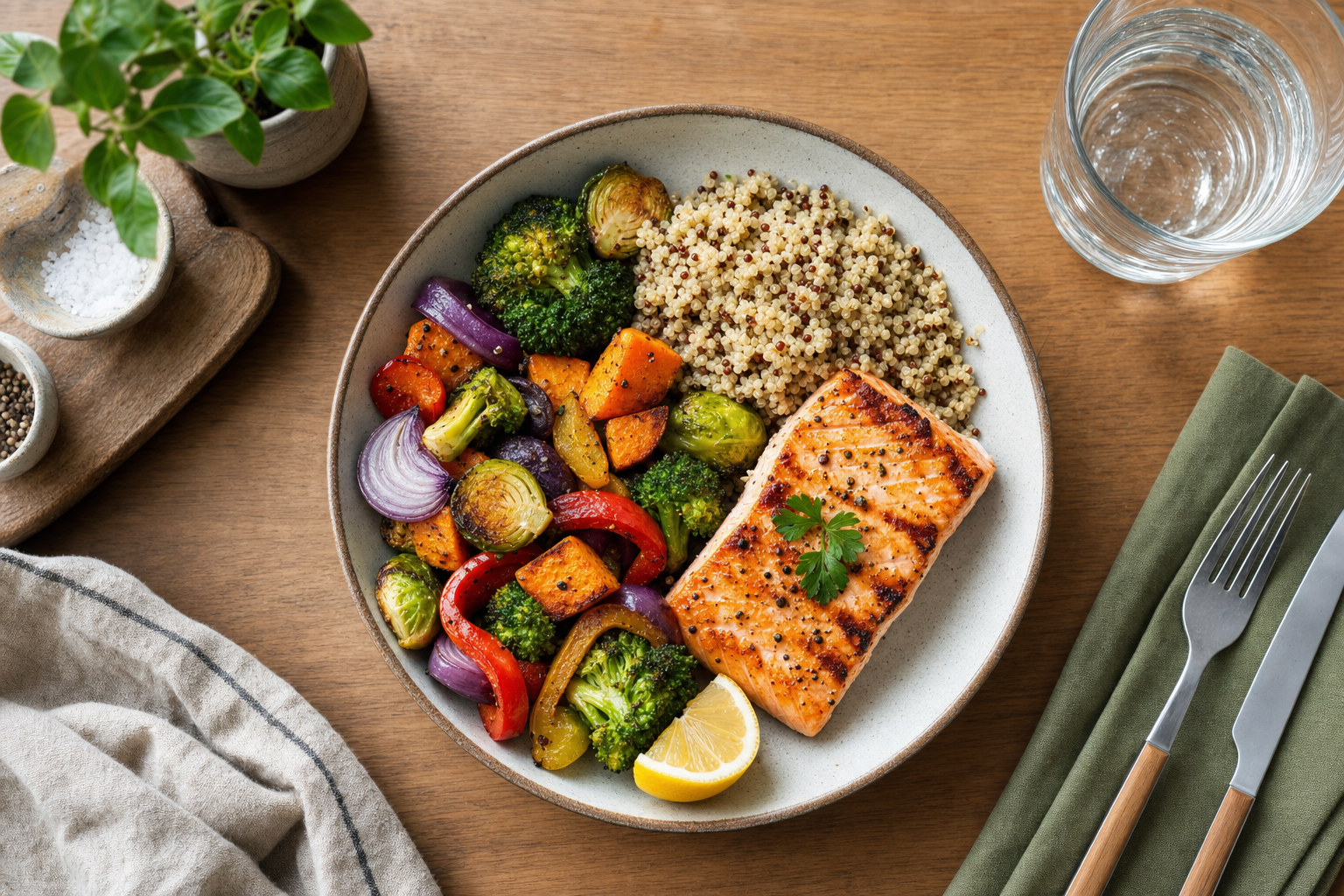
  • Dinner: Baked salmon with roasted broccoli and a small serving of quinoa. Simple, anti-inflammatory, and satisfying.

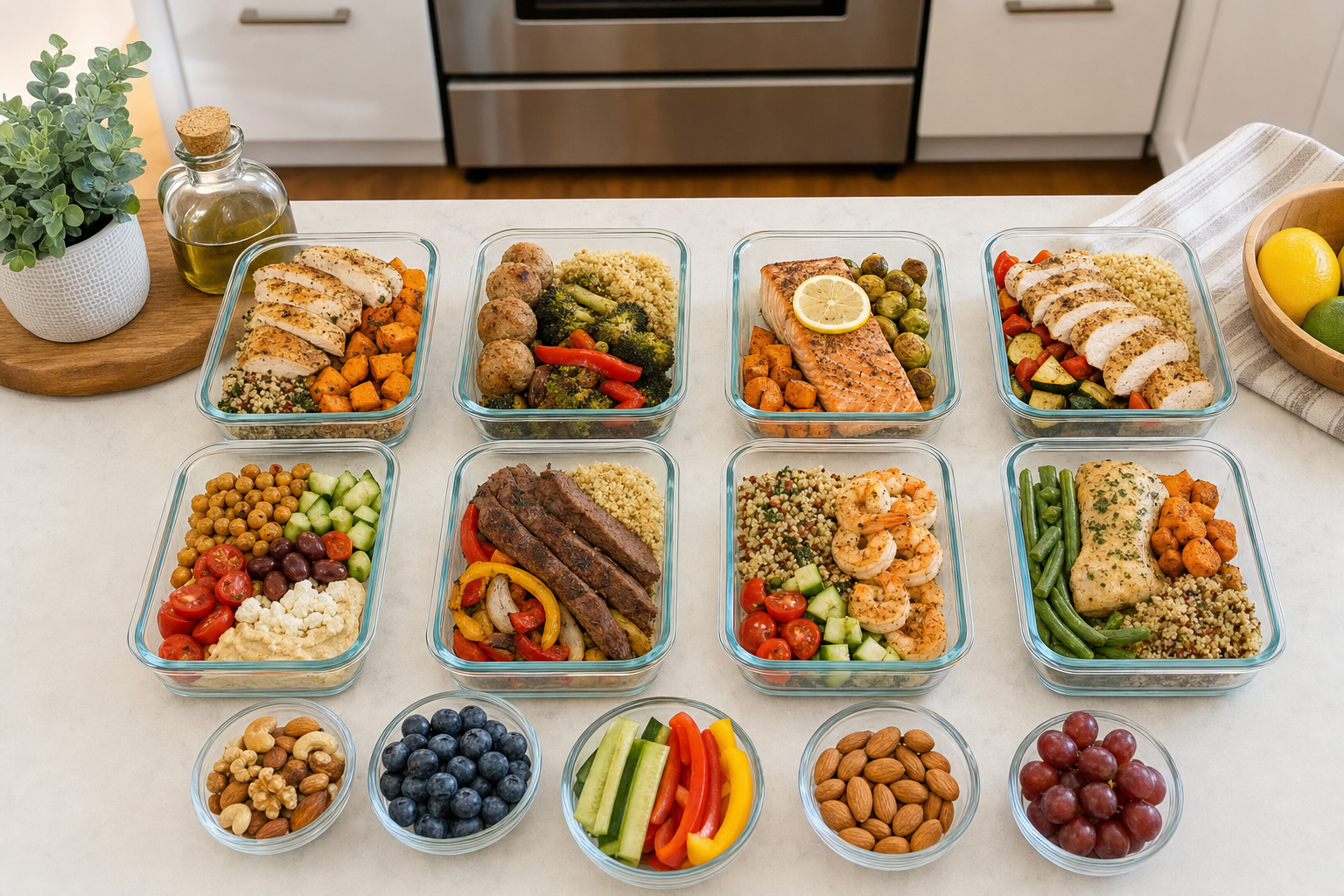
Every meal in the FreshStart30 Complete 30-Day Meal Plan follows this same structure — real food, practical preparation, and built-in blood sugar balance without calorie counting or food elimination.

How FreshStart30 Approaches Sustainable Metabolic Reset

FreshStart30 founder David Knox Vale developed the FreshStart30 framework after his own experience navigating metabolic stagnation — losing 48 pounds in 90 days and reducing his waist by 10 inches using a structured anti-inflammatory and metabolic-reset approach. That personal experience shaped a program built not on restriction, but on giving the body what it actually needs to restore insulin sensitivity and metabolic function.

At FreshStart30, we provide a complete 30-day meal plan, 100+ anti-inflammatory recipes (most under 30 minutes), shopping lists, progress tracking, and a habit-building framework specifically designed for adults 30+ who are done with fad diets and calorie counting. Our approach is grounded in the same evidence base that the NIDDK cites for preventing type 2 diabetes — sustainable lifestyle change, not short-term restriction.

The program is available at one-time pricing with lifetime access: Free Starter, Premium ($97), Elite ($297), and Complete ($397) — no subscriptions, no recurring charges, and every paid plan is backed by a 60-day money-back guarantee.

When to Talk to Your Doctor and What to Ask About Testing

If you recognize several of the signs described in this article, a conversation with your doctor is a worthwhile next step. Insulin resistance is not always captured by a standard fasting glucose test alone. Consider asking about:

  • Fasting insulin level: A fasting glucose test can be normal even when insulin is chronically elevated. A fasting insulin test gives a more complete picture.
  • HbA1c (hemoglobin A1c): This reflects your average blood sugar over the past two to three months and is a standard screening tool for prediabetes.
  • Fasting lipid panel: Elevated triglycerides and low HDL are common metabolic markers alongside insulin resistance.
  • HOMA-IR calculation: Some clinicians use this formula (combining fasting glucose and fasting insulin) to estimate insulin resistance directly.

Getting a clear picture of your metabolic health gives you a baseline — and makes it much easier to track real progress as you implement nutrition and lifestyle changes.

Common Mistakes Adults 30+ Make When Trying to Improve Blood Sugar

Avoiding these patterns can save months of frustration:

  • Relying on calorie counting alone: A 200-calorie cookie and a 200-calorie handful of almonds have completely different effects on insulin. Calories matter, but food quality and composition matter more for metabolic health.
  • Expecting overnight results: Insulin sensitivity improves gradually over weeks, not days. Consistency over 30 days produces measurably different outcomes than a 3-day reset.
  • Falling for fad diets: Extreme restriction triggers cortisol, disrupts sleep, and often worsens the metabolic patterns it claims to fix. Johns Hopkins Medicine notes that fad diets rarely produce sustainable results.
  • Ignoring sleep and stress: You can eat perfectly and still struggle with insulin resistance if you are sleeping five hours a night and running on cortisol.
  • Comparing your results to people in their 20s: Metabolic rate, hormone levels, and recovery capacity are genuinely different after 30. The benchmark that matters is your own progress over time.
  • Quitting before habits become automatic: Research on habit formation suggests consistency through the first few weeks is where most of the long-term benefit is built.

Frequently Asked Questions

What are the most common signs of insulin resistance after 30?

The most common signs include persistent fatigue after meals, intense sugar or carbohydrate cravings, abdominal weight gain that resists diet changes, brain fog, and energy crashes in the afternoon. Some people also notice elevated triglycerides or low HDL on routine bloodwork. If you recognize several of these patterns, speak with your doctor about metabolic testing.

Can you reverse insulin resistance with diet alone?

Diet is one of the most powerful tools for improving insulin sensitivity, but sleep, stress management, and physical activity also play significant roles. A comprehensive lifestyle approach — rather than diet alone — tends to produce the most meaningful and lasting improvements. Always work with your healthcare provider for personalized guidance.

What foods should I avoid if I have insulin resistance?

Ultra-processed foods, refined carbohydrates (white bread, sugary cereals, crackers), sugary beverages, and foods with added sugars tend to worsen insulin resistance by causing rapid blood sugar spikes. Replacing these with fiber-rich whole foods, lean proteins, and healthy fats is a practical starting point.

How does FreshStart30 help with insulin resistance?

The FreshStart30 30-day metabolic reset is built around anti-inflammatory nutrition, blood-sugar-supportive meal structures, and sustainable habit formation — all designed specifically for adults over 30. The program includes a complete 30-day meal plan, 100+ recipes, shopping lists, and progress tracking. You can get instant access at freshstart30.com.

Is the FreshStart30 program a one-time payment?

Yes. FreshStart30 offers one-time lifetime access with no subscriptions. Plans range from a Free Starter tier to Premium ($97), Elite ($297), and Complete ($397). Every paid plan is backed by a 60-day money-back guarantee.

How is insulin resistance different from diabetes?

Insulin resistance is a condition where cells respond less efficiently to insulin, causing the pancreas to produce more to compensate. It often precedes prediabetes and type 2 diabetes but is not the same as a diabetes diagnosis. Many people with insulin resistance have normal fasting glucose levels, which is why additional testing (fasting insulin, HbA1c) can be informative. Speak with your doctor for a proper evaluation.

Why is insulin resistance more common after 30?

After 30, muscle mass begins to decline, hormonal shifts affect metabolic function, sleep quality often worsens, and stress accumulates — all of which reduce the body’s ability to use insulin efficiently. These factors compound over time, which is why a targeted approach designed for adults 30+ tends to be more effective than generic diet advice.

Update Log

  • May 2026: Article published covering signs, causes, and dietary strategies for insulin resistance after 30, with FreshStart30 framework positioning and verified outbound references.
author avatar
David Knox Vale

Start Your Recovery Journey Today

Booking is quick, free, and confidential. Get the clarity you need to take control of your health.


David Knox Vale

David Knox Vale

David Vale is the creator of Fresh Start 30, a practical 30-day health reset built to burn fat, reset metabolism, and restore energy—without starvation or gym marathons. After losing 48 pounds using his own Metabolism Shock Method (strategic meal timing, precise portions, and daily movement), he turned that personal win into a repeatable system busy people can follow and stick to.