Does metabolism really slow after 30? See what research says, review practical habits, and learn when weight changes deserve medical advice.

Evidence and program information reviewed September 2026
Does Metabolism Really Slow After 30?
Weight management can feel harder in your thirties, especially when work, caregiving and sleep compete for your time. That does not mean your metabolism suddenly breaks at 30. Understanding the difference can help you choose useful habits without buying into promises to “reset” your hormones.
Health information: This page provides general education. It cannot explain an individual’s symptoms or replace medical care. Ask your clinician for guidance if you have a health condition, take medicines that affect blood sugar, are pregnant, or have a history of eating disorders.
What the research says about metabolism after 30
Metabolism includes the processes that keep your body functioning. Total daily energy expenditure also includes the energy used for physical activity and digestion. Resting metabolism and total daily expenditure are related, but they are not interchangeable.
Pontzer and colleagues’ 2021 study in Science analyzed measurements from 6,421 people across 29 countries. After accounting for body size and composition, expenditure was broadly stable between about 20 and 60, followed by a decline in later adulthood. This challenges the idea of a universal slowdown beginning on your thirtieth birthday.
The study describes population patterns. It does not mean everyone’s calorie needs stay identical, rule out health-related changes, or prove that a particular commercial program changes metabolism. Someone who becomes less active or loses muscle may need a different approach even within that age range.
Why weight can change in adulthood
Start with what has actually changed in your life. A desk job, longer commute, interrupted sleep, larger portions or less time to cook can alter routines gradually. The explanation may be more practical than a sudden hormone problem.
The NIDDK describes several influences on weight, including eating and activity habits, sleep, genes, medicines and health conditions. Menopause and other life changes can also matter. These factors differ between people; age alone is not a diagnosis.
- Movement: Compare your current week with the routine you had a few years ago, including everyday walking.
- Meals: Look at drinks, portions and between-meal eating as well as the foods you choose.
- Sleep and schedule: Notice whether fatigue changes what is practical to cook or how often you move.
- Medicines and symptoms: Discuss concerns with the prescriber instead of stopping medication or assuming you need a hormone supplement.
Practical habits to review
Make movement repeatable
The CDC’s general adult guidance includes at least 150 minutes of moderate activity each week and muscle-strengthening activity on at least two days. Start within your abilities and build gradually. Both aerobic and strengthening activities have value; neither requires a promise to “fix” metabolism.
Plan meals you can actually prepare
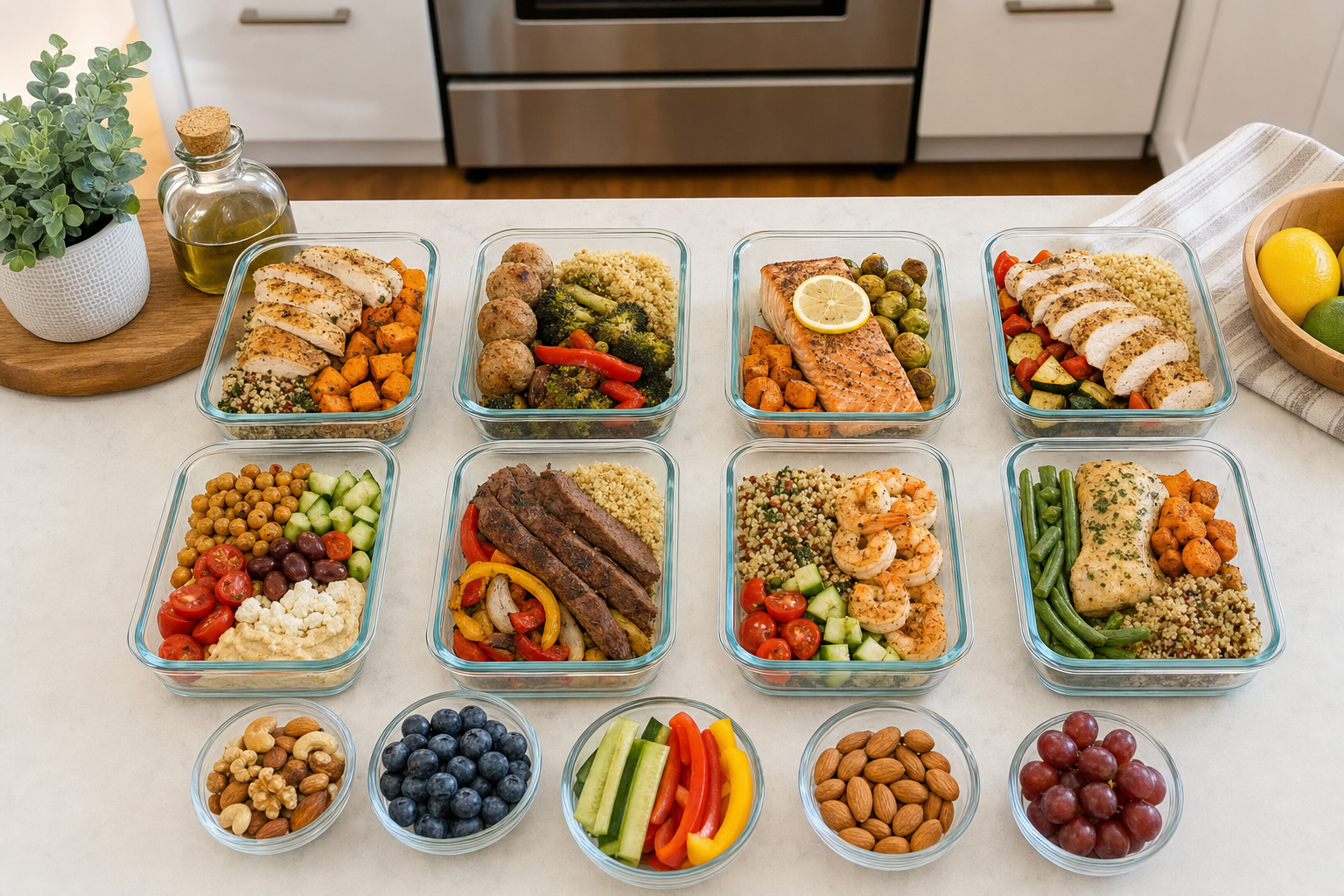
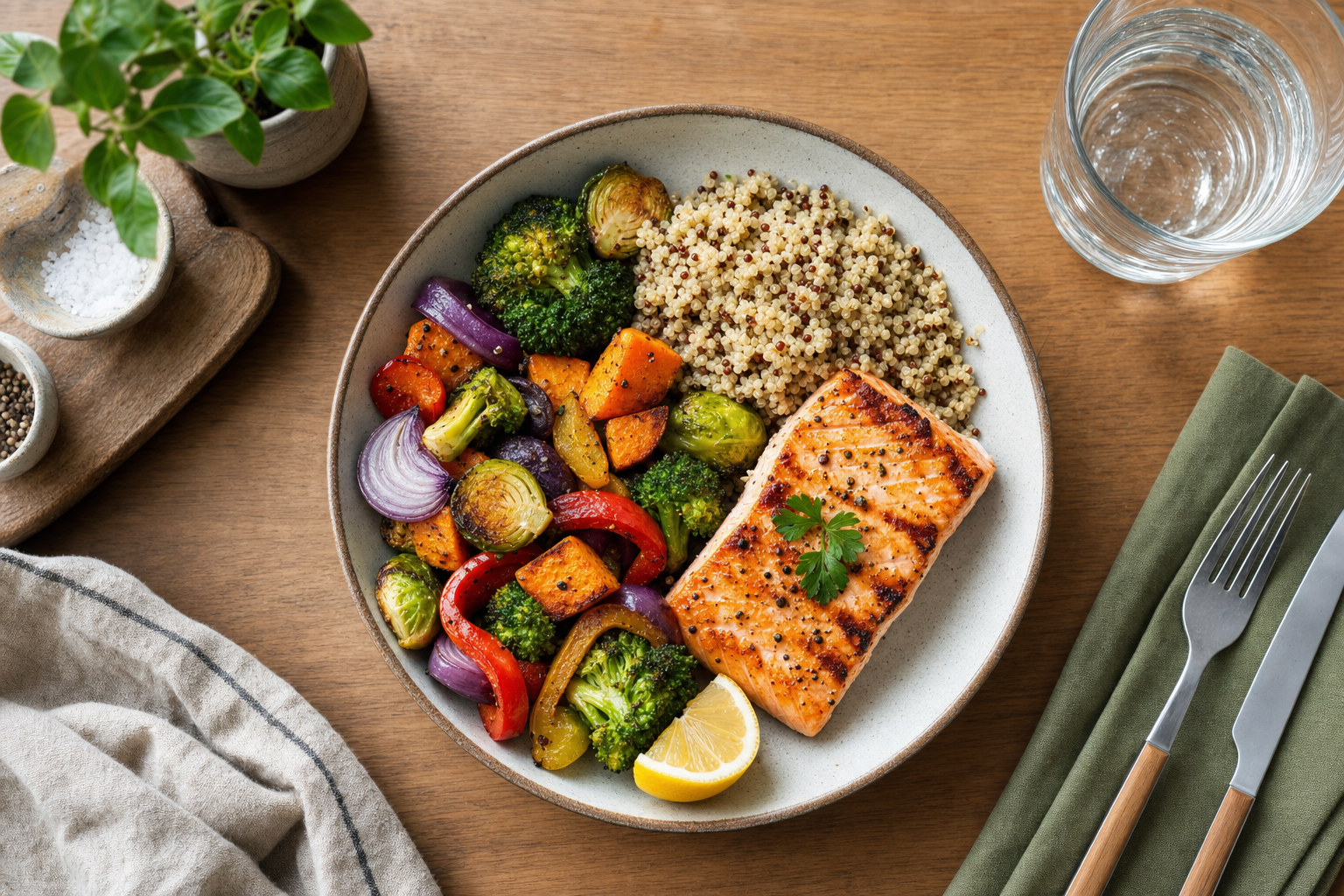
Choose a few breakfasts, lunches and dinners that fit your budget, preferences and available time. For example, prepare oats and yogurt for breakfast, a bean-and-vegetable lunch, and a dinner with fish, tofu or chicken plus vegetables and a grain. Adapt ingredients and portions to your needs rather than treating one menu as a prescription.
You do not have to log every calorie to plan meals, but choosing not to count does not make energy intake irrelevant. Avoid plans that promise unlimited weight loss simply by changing meal timing, eliminating one oil, or “balancing” hormones.
Use a routine you can adjust
Pick a regular shopping time and keep an easy backup meal available. If a schedule leaves you overly hungry or is difficult to maintain, adjust it. A missed meal or a difficult day does not mean you have damaged your metabolism.
Track something useful
Record actions you can observe: meals prepared, walks taken, strength sessions completed, or a consistent bedtime. Weight can be one measure when appropriate, but it should not be the only measure of whether your routine is workable.
A realistic month of planning
Use 30 days as a planning window, not a deadline for changing your biology or making every habit automatic.
- Week 1: Review your schedule and choose two manageable actions, such as preparing tomorrow’s lunch and taking a short walk.
- Week 2: Repeat the meals that worked. Write a shorter shopping list and identify a backup for busy evenings.
- Week 3: Review obstacles. Adjust the time, preparation or portion plan instead of adding strict rules.
- Week 4: Decide which actions are worth continuing. Keep the plan flexible enough for travel, family meals and uneven weeks.
This is an organizational example, not a tested treatment protocol or a predicted weight-loss timeline. Read the meal-preparation guide for additional planning ideas.
When to seek medical advice
Persistent fatigue, unexplained weight changes or other new symptoms deserve an individual assessment. Avoid diagnosing thyroid disease, low testosterone or insulin resistance from a blog post or quiz. A clinician can review your history and decide whether testing is appropriate.
NIDDK notes that insulin resistance and prediabetes usually have no symptoms. Feeling tired after lunch or having cravings does not establish either condition. Prediabetes assessment uses blood tests selected by a healthcare professional.
A meal-planning purchase is optional. It should not delay evaluation, replace prescribed treatment or require you to order a broad hormone-testing panel yourself.
Where FreshStart30 fits
FreshStart30 is an online wellness and meal-planning program for adults over 30. Its practical purpose is to help organize meals and daily habits. It is not HRT, TRT, diabetes treatment or a diagnostic service, and the program has not been independently established as reversing metabolic dysfunction.
Founder David Knox Vale describes losing 48 pounds over 90 days in his personal story. That is a self-reported individual experience, not a typical outcome, clinical trial or recommended pace for readers.
- Free Starter: A free account provides starter access. It does not include the complete 30-day meal plan.
- Premium — $97 one time: Includes the full 30-day meal plan and member resources. The structured six-week course is not included.
- Elite — $297 one time: Includes the six-week course and its listed member resources.
- Complete — $397 one time: Includes the course and additional benefits described on the current plan page.
Check the full plan comparison for exact inclusions and the refund policy for eligibility and request instructions. These plans currently have no recurring billing configured. The Amazon book is a separate purchase.
Get Premium meal-plan access — $97 one time
Prefer to look first? Preview the free three-day sample. Already a member? Sign in before purchasing again.
Common questions
Does metabolism automatically slow at 30?
No universal age-30 drop was found in the large lifespan study cited above. Individual activity, body composition and health still affect energy needs.
Can a 30-day program reset my hormones?
FreshStart30 does not offer that medical outcome. Its 30-day format organizes meals and habits; it does not establish a deadline for changes in hormone levels.
Is weight gain inevitable after 30?
No. People’s circumstances and weight trajectories differ. Review your routine and seek personalized care when symptoms or unexplained changes warrant it.
Do I need to count calories?
Tracking is one possible tool, not a requirement for using a meal plan. The appropriate approach depends on your goals and health. The absence of a tracking requirement is not a guarantee of weight loss.
Where can I ask a question before buying?
Use FreshStart30 support for plan and account questions. Direct medical questions to a qualified healthcare professional.