Struggling with weight gain after 40? Learn how a hormone reset for women supports fat loss, metabolism, and energy — without extreme diets or quick-fix claims.

Hormone Reset for Women Over 40 and Weight Loss
A hormone reset for women after 40 and weight loss go hand in hand — because after 40, the rules genuinely change. Shifting estrogen, rising cortisol, and growing insulin resistance can make the strategies that worked in your 30s feel completely useless. At FreshStart30, we built our 30-day metabolic reset specifically to address these layered hormonal shifts with real food, sustainable habits, and zero extreme restriction.
Pricing, plan tiers, and program inclusions are accurate as of publication and may change. Individual results vary. Statements have not been evaluated by the FDA. FreshStart30 is not intended to diagnose, treat, cure, or prevent any disease.
Understanding why your body responds differently after 40 is the first step toward working with your hormones instead of against them. The sections below break down the key hormonal drivers, what to eat, which habits move the needle, and how the FreshStart30 framework brings it all together into a clear, doable 30-day plan.
Why Weight Loss Feels Different After 40
If you are eating the same way you did at 32 and exercising just as much — but the scale is not moving — you are not imagining it. Research from the Cleveland Clinic confirms that metabolic rate, muscle mass, and hormonal signaling all shift meaningfully as women move through their 40s. Estrogen begins its gradual decline, progesterone fluctuates, and the body becomes more sensitive to cortisol and insulin. The result is a metabolism that responds more slowly, stores fat more readily — especially around the midsection — and recovers from stress less efficiently.
This is not a willpower problem. It is a biology problem that requires a biology-informed solution. Generic calorie-cutting advice was not designed for this stage of life, which is exactly why so many women in their 40s feel like they are doing everything right and still not getting results.
The Hormones Most Likely Affecting Your Weight and Energy
Several hormones interact to influence body composition after 40. Understanding them helps you make smarter choices rather than chasing the wrong target.
- Estrogen: As estrogen declines during perimenopause, the body tends to shift fat storage from the hips and thighs toward the abdomen. Lower estrogen also affects insulin sensitivity and sleep quality.
- Cortisol: Chronic stress keeps cortisol elevated, which signals the body to hold onto abdominal fat and break down muscle. Many women over 40 are in a low-grade cortisol-elevated state without realizing it.
- Insulin: Insulin resistance becomes more common after 40, meaning cells respond less efficiently to insulin and blood sugar stays elevated longer after meals — promoting fat storage.
- Thyroid hormones: Thyroid function can slow with age, affecting metabolism, energy, and body temperature regulation. This is worth discussing with your doctor if symptoms are present.
- Leptin and ghrelin: These hunger-regulating hormones are disrupted by poor sleep and chronic stress, making appetite harder to manage even when you are eating enough.
The good news is that nutrition, sleep, movement, and stress management all directly influence how these hormones behave — and that is exactly where a structured reset creates real change.
The FreshStart30 Hormone Reset for Women was built around these exact hormonal patterns, giving women 30 to 50 a clear, step-by-step framework that addresses blood sugar, cortisol, and anti-inflammatory nutrition together — not in isolation.
Signs Your Body Needs a Sustainable Hormone Reset
Not every symptom after 40 is purely hormonal, but certain patterns suggest your metabolism and hormonal environment could benefit from a structured reset:
- Weight gain around the belly despite no major change in eating habits
- Energy crashes in the afternoon, especially between 2pm and 4pm
- Difficulty sleeping or waking between 2am and 4am
- Cravings for sugar or carbohydrates that feel hard to control
- Feeling puffy, inflamed, or bloated regularly
- Mood swings, brain fog, or low motivation that are new or worsening
- Feeling like you are always tired but wired at night
How to Eat for Hormone Balance and Fat Loss After 40
Food is one of the most direct levers you have for influencing hormonal health. Harvard Health research on anti-inflammatory nutrition consistently points to whole foods, fiber, and healthy fats as foundational for reducing the chronic low-grade inflammation that disrupts hormonal signaling.
Key nutrition principles for hormone balance after 40:
- Prioritize protein at every meal: Adequate protein supports muscle retention, stabilizes blood sugar, and reduces hunger hormones. Most women over 40 are under-eating protein relative to their needs.
- Stabilize blood sugar first: Pairing carbohydrates with protein, fiber, and healthy fat slows glucose absorption and reduces insulin spikes — one of the most effective strategies for reducing hormonal belly fat.
- Eat anti-inflammatory whole foods: Leafy greens, berries, fatty fish, olive oil, nuts, seeds, and cruciferous vegetables all support estrogen metabolism and reduce systemic inflammation.
- Reduce ultra-processed foods and added sugars: These drive insulin resistance and cortisol dysregulation more than almost any other dietary factor.
- Do not skip meals: Skipping meals raises cortisol and destabilizes blood sugar — the opposite of what a hormone reset requires.
The Daily Habits That Help Reset Metabolism and Reduce Stress Load
Nutrition is essential, but it is only part of the picture. Daily habits around sleep, movement, and stress management have a direct and measurable impact on cortisol, insulin sensitivity, and metabolic rate.
- Sleep 7 to 9 hours: Poor sleep raises ghrelin (hunger hormone), lowers leptin (satiety hormone), and elevates cortisol. Prioritizing sleep is not optional in a hormone reset — it is foundational.
- Walk daily: Regular low-intensity movement improves insulin sensitivity, reduces cortisol, and supports fat metabolism without the cortisol spike that intense daily training can cause.
- Manage stress actively: Chronic stress is one of the most underestimated drivers of hormonal weight gain after 40. Even 10 minutes of intentional stress reduction — breathing, walking, journaling — can meaningfully lower cortisol over time.
- Eat within a consistent window: Irregular meal timing disrupts circadian rhythm and hormonal signaling. Consistency matters more than perfection.
What to Avoid: Extreme Diets, Overtraining, and Quick-Fix Hormone Claims
Johns Hopkins Medicine notes that fad diets consistently fail long-term because they do not address the behavioral and metabolic root causes of weight gain. For women over 40, extreme restriction is especially counterproductive — it raises cortisol, accelerates muscle loss, and worsens insulin resistance.
Avoid these common traps:
- Very low-calorie diets that drop intake below 1,200 calories per day
- Eliminating entire food groups without medical reason
- High-intensity training every day without adequate recovery
- Hormone supplements, “detox” teas, or over-the-counter hormone products marketed without clinical evidence
- Programs that promise rapid results in days — hormonal rebalancing takes consistent effort over weeks, not shortcuts
A Simple 30-Day Hormone Reset Framework for Busy Women
A structured 30-day approach works because it is long enough to build real habits but short enough to feel achievable. Here is what a practical hormone reset framework looks like week by week:
- Week 1 — Foundation: Remove ultra-processed foods and added sugars. Build the anchor plate at every meal. Establish a consistent sleep and wake time.
- Week 2 — Stabilize: Add daily walking (20 to 30 minutes). Introduce a short stress-reduction practice. Focus on protein targets at breakfast.
- Week 3 — Deepen: Refine meal timing. Add more variety in anti-inflammatory vegetables. Notice energy patterns and adjust accordingly.
- Week 4 — Sustain: Consolidate habits. Evaluate what is working. Build a maintenance plan that does not require perfection.
The FreshStart30 30-day reset system provides the complete meal plan, 100+ anti-inflammatory recipes, meal-planning guidance, and daily habit tracking to make this framework concrete and doable — even for busy women managing work, family, and everything in between. FreshStart30 founder David Knox Vale developed this framework after his own 48-pound transformation in 90 days, and the system has since been refined specifically for the hormonal and metabolic realities women face after 40.
When to Talk to Your Doctor About Hormones, Thyroid, or Blood Sugar
A nutrition and lifestyle reset is a powerful foundation, but it is not a substitute for medical evaluation when symptoms are significant. Talk to your doctor if you experience:
- Unexplained weight gain of 10 or more pounds over a short period
- Extreme fatigue, hair loss, or cold intolerance (possible thyroid involvement)
- Fasting blood sugar consistently above 100 mg/dL
- Severe mood changes, hot flashes, or irregular periods that are affecting daily life
- Any symptoms that feel sudden, severe, or outside the range of typical perimenopause
A lifestyle reset and medical care are not mutually exclusive — they work best together. The Office on Women’s Health provides reliable guidance on perimenopause symptoms and when to seek evaluation.
How FreshStart30 Supports Sustainable Weight Loss After 40
At FreshStart30, we built our Hormone Reset for Women specifically because generic weight-loss programs were not designed for the hormonal and metabolic realities of women in their 40s and 50s. Our framework addresses blood sugar stability, anti-inflammatory nutrition, cortisol management, and habit formation together — not as separate problems requiring separate solutions.
What the FreshStart30 system includes for women over 40:
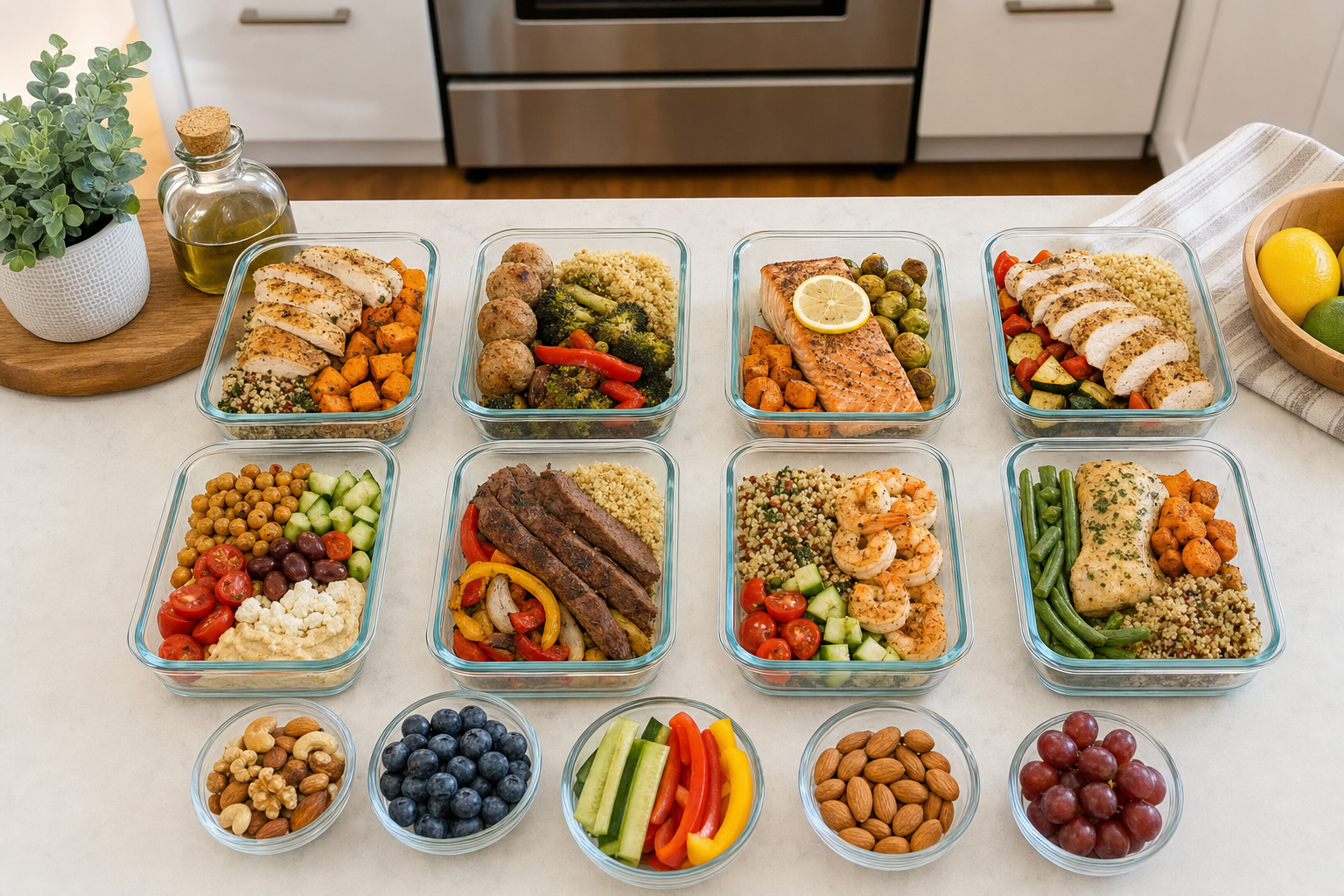
- A complete 30-day meal plan with 100+ anti-inflammatory recipes, most under 30 minutes
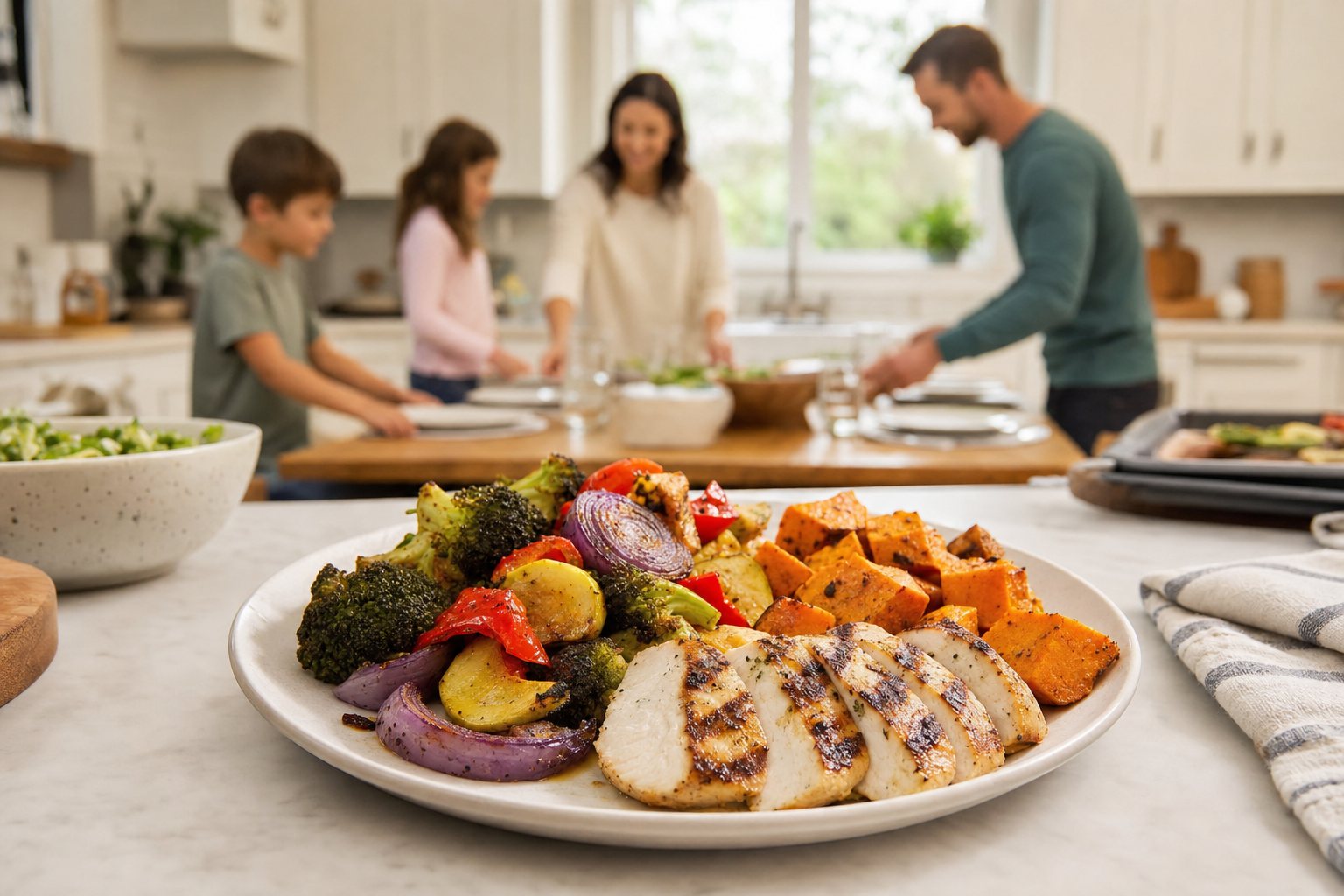
- Family-friendly meals that do not require cooking separate dishes
- Daily habit-building structure so the reset becomes a lifestyle, not a temporary fix
- The Hormone Reset for Women advanced protocol (available in Elite and Complete tiers)
- One-time pricing with lifetime access — no subscriptions, no recurring charges
- 60-day money-back guarantee
Common Mistakes Women Over 40 Make When Trying to Lose Weight
Even with the best intentions, certain patterns consistently get in the way of results for women navigating hormonal changes after 40:
- Relying on calorie counting alone: Calories matter, but hormonal context matters more. A 1,400-calorie day of ultra-processed food affects your hormones very differently than 1,400 calories of whole food.
- Expecting overnight results: Hormonal rebalancing takes consistent effort over weeks. How quickly you notice changes in energy, sleep, or appetite varies from person to person, and FreshStart30 does not guarantee results by any particular day.
- Skipping meals to cut calories: This raises cortisol and destabilizes blood sugar — two things that make hormonal weight gain worse, not better.
- Ignoring sleep and stress: These are not lifestyle luxuries — they are metabolic necessities. Neglecting them undermines every nutrition effort.
- Comparing results to women in their 20s or 30s: Different hormonal environment, different timeline. Progress after 40 is real — it just looks different.
- Quitting before habits become automatic: Habit-formation research (Lally et al., 2010) found that new routines took anywhere from 18 to 254 days to feel automatic, with a median of about 66 days — so a 30-day reset is a starting point, not a finish line. A new routine is easiest to abandon before it has become automatic, which is why structure matters more than perfection at the start.
- Jumping to supplements or quick-fix hormone products: Most over-the-counter hormone products lack clinical evidence and can interfere with your body’s own regulatory systems. Food and lifestyle first.
Frequently Asked Questions
What does a hormone reset for women after 40 actually involve?
A hormone reset focuses on stabilizing blood sugar, reducing chronic inflammation, supporting cortisol balance, and building consistent daily habits around nutrition, sleep, and movement. It is not a detox or a crash diet — it is a structured lifestyle shift designed to work with your changing hormonal environment rather than against it.
Why is belly fat so common after 40 even when I eat well?
Declining estrogen shifts fat storage toward the abdomen, while rising cortisol and growing insulin resistance compound the effect. Eating well is important, but without addressing blood sugar stability, stress load, and sleep quality, abdominal fat can persist even with a clean diet.
How long does it take to see results from a hormone reset?
How quickly you notice changes in energy, sleep, or appetite varies from person to person, and FreshStart30 does not guarantee results by any particular day. Changes in body composition are gradual and differ from person to person; no specific timeframe is promised. Individual results vary.
Is FreshStart30 designed specifically for women over 40?
Yes. FreshStart30 offers a dedicated Hormone Reset for Women protocol designed for women aged 30 to 50, addressing the specific hormonal and metabolic patterns common in perimenopause and beyond. The full system is available through the Elite and Complete membership tiers at freshstart30.com.
What is the FreshStart30 money-back guarantee?
FreshStart30 offers a 60-day money-back guarantee on all paid membership tiers. If you are not satisfied within 60 days of purchase, you can contact support@freshstart30.com for a full refund. All plans are one-time payments with lifetime access — no subscriptions.
Should I see a doctor before starting a hormone reset program?
Yes — especially if you have thyroid conditions, diabetes, cardiovascular disease, a history of eating disorders, or take prescription medications. A nutrition and lifestyle reset works best alongside appropriate medical care, not as a replacement for it.
Can I do FreshStart30 if I am perimenopausal?
The FreshStart30 framework was designed with perimenopause in mind — addressing the blood sugar, cortisol, and anti-inflammatory nutrition factors most relevant to this life stage. Always consult your physician before starting any new program, particularly if you are managing active perimenopausal symptoms.
Update Log
- May 2026: Article published covering hormone reset for women after 40, including perimenopause weight gain, blood sugar stability, cortisol management, anti-inflammatory nutrition, and the FreshStart30 Hormone Reset for Women framework.