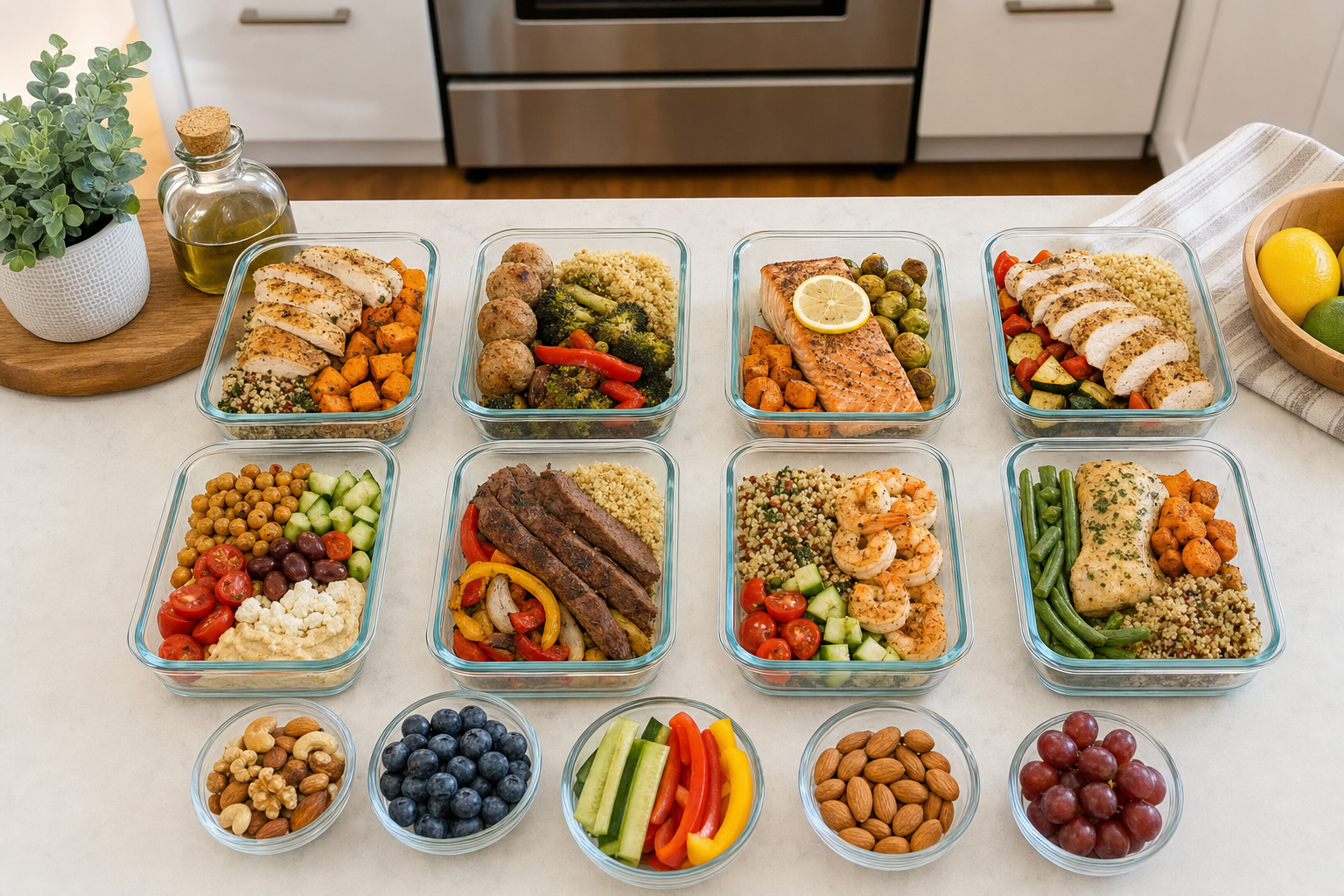
Struggling with menopause weight gain and a slow metabolism after 50? Learn what really changes hormonally, what to eat, and how the FreshStart30 framework helps women 50+ reset sustainably.

Menopause Weight Gain and Metabolism After 50
Menopause weight gain and metabolism after 50 are among the most frustrating and misunderstood challenges women face — and the standard advice of “eat less, move more” rarely tells the full story. Hormonal shifts during and after menopause change how your body stores fat, regulates blood sugar, and responds to food in ways that require a different approach entirely. The FreshStart30 framework was built specifically to address these metabolic changes for adults over 30, with a dedicated protocol for women navigating this transition.
Pricing, plan tiers, and program inclusions are accurate as of publication and may change. Individual results vary. Statements have not been evaluated by the FDA. FreshStart30 is not intended to diagnose, treat, cure, or prevent any disease.
Understanding why your body responds differently to food and exercise after 50 is the first step toward making changes that actually stick. This guide breaks down the real metabolic and hormonal drivers of menopause weight gain — and explains what a sustainable, evidence-informed reset looks like for women in this life stage.
Why Menopause Weight Gain Happens After 50
The weight gain many women experience during and after menopause is not a failure of willpower. It is a predictable physiological response to a significant hormonal transition. As estrogen levels decline — first gradually during perimenopause, then more sharply after the final menstrual period — the body’s fat distribution patterns shift. Fat that was once stored in the hips and thighs tends to migrate toward the abdomen, where it accumulates as visceral fat surrounding the internal organs.
Visceral fat is metabolically active in ways that subcutaneous fat is not. It contributes to low-grade systemic inflammation, disrupts insulin signaling, and is associated with a higher risk of cardiovascular and metabolic conditions. According to the Office on Women’s Health, hormonal changes during menopause are a primary driver of this abdominal fat accumulation — independent of overall calorie intake.
At the same time, progesterone levels also fall, which can affect sleep quality, mood, and fluid retention. The combined effect of these hormonal shifts creates a metabolic environment that is genuinely different from what women experienced in their 30s and 40s — and it requires a genuinely different strategy.
What Really Changes in Metabolism During and After Menopause
Metabolism after 50 slows for several interconnected reasons, not just one. The Mayo Clinic notes that resting metabolic rate declines with age partly because of muscle loss — a process called sarcopenia that accelerates after menopause. Muscle tissue burns more calories at rest than fat tissue, so losing it means the body requires fewer calories to maintain its current weight.
Estrogen also plays a direct role in metabolic regulation. It influences how cells respond to insulin, how the body uses stored fat for energy, and how the thyroid functions. When estrogen drops, insulin sensitivity often decreases, meaning the body has to produce more insulin to manage the same amount of blood sugar. Over time, this can contribute to insulin resistance — a state where cells become less responsive to insulin’s signals, making fat storage easier and fat burning harder.
Additionally, cortisol — the primary stress hormone — tends to have a stronger effect on body composition after menopause. Elevated cortisol promotes abdominal fat storage and can break down muscle tissue. Poor sleep, which is extremely common during the menopausal transition, further elevates cortisol and disrupts the hunger hormones leptin and ghrelin, increasing appetite and cravings for high-carbohydrate foods.
Why Belly Fat, Fatigue, and Cravings Often Show Up Together
Many women over 50 describe the same cluster of symptoms: stubborn belly fat that wasn’t there before, afternoon energy crashes, intense cravings for sweets or refined carbohydrates, and a general sense that their body is working against them. These symptoms are not random — they are connected through the same underlying mechanisms.
When insulin resistance is present, blood sugar levels fluctuate more dramatically after meals. A spike in blood sugar is followed by a sharp drop, which triggers cravings for fast-digesting carbohydrates as the body attempts to restore glucose levels quickly. This cycle — spike, crash, crave, repeat — is one of the most common patterns we see in women who come to FreshStart30 after years of trying to manage their weight through calorie restriction alone.
Fatigue compounds the problem. When energy is low, motivation to prepare balanced meals drops, physical activity decreases, and sleep quality often worsens — creating a feedback loop that makes the metabolic reset feel impossible without a structured system to break the cycle.
The Best Foods to Support Metabolism and Hormone Balance
Nutrition after menopause is less about counting calories and more about food quality, meal timing, and macronutrient balance. Harvard Health’s research on anti-inflammatory nutrition consistently points to whole foods — vegetables, legumes, fatty fish, nuts, seeds, and olive oil — as the foundation of a metabolism-supporting diet. These foods reduce systemic inflammation, support insulin sensitivity, and provide the micronutrients that hormonal health depends on.
Protein deserves particular attention for women over 50. Adequate protein intake — distributed across meals rather than concentrated in one sitting — helps preserve muscle mass, supports satiety, and reduces the blood sugar spikes that drive cravings. Lean proteins, eggs, legumes, Greek yogurt, and fatty fish are practical, family-friendly options that fit into real daily life.
Fiber is equally important. Soluble fiber from oats, beans, flaxseed, and vegetables slows glucose absorption, feeds beneficial gut bacteria, and supports the hormonal signaling that regulates appetite. Women over 50 who consistently eat high-fiber diets tend to have better blood sugar stability and lower visceral fat accumulation, according to NIDDK weight management guidance.
The FreshStart30 system includes a complete 30-day meal plan with 100+ anti-inflammatory recipes — most under 30 minutes — specifically structured to support blood sugar balance, reduce inflammation, and preserve muscle. Every meal is designed around real food, not supplements or meal replacements.
The Habits That Help Women Over 50 Lose Weight Sustainably
Food quality matters, but habits determine whether changes last. Research on habit formation suggests that consistent, repeated behaviors become automatic over time — which is why a structured 30-day framework is more effective than willpower-dependent approaches. For women over 50, the habits that matter most include consistent meal timing, daily movement, prioritizing sleep, and managing stress actively rather than reactively.
Resistance training — even light bodyweight exercises or resistance bands — is particularly valuable for preserving and rebuilding muscle after menopause. The American College of Sports Medicine recommends muscle-strengthening activities at least twice per week for older adults, noting that maintaining muscle mass is one of the most effective ways to sustain metabolic rate as we age.
Sleep hygiene is often overlooked but is one of the highest-leverage habits for women over 50. Poor sleep elevates cortisol, disrupts hunger hormones, and reduces insulin sensitivity — all of which directly worsen menopause-related weight gain. Prioritizing 7 to 8 hours of quality sleep is not optional; it is a metabolic intervention.
What to Avoid: Fad Diets, Undereating, and Calorie-Only Thinking
The most common mistakes women over 50 make when trying to address menopause weight gain are the same mistakes that have been failing people for decades — just with higher stakes at this life stage.
- Severe calorie restriction: Eating too little increases cortisol, accelerates muscle loss, and slows metabolic rate further — the opposite of what is needed.
- Fad diets and extreme elimination: As Johns Hopkins Medicine notes, fad diets rarely produce lasting results and often lead to weight regain plus additional metabolic disruption.
- Skipping meals: Skipping breakfast or lunch to “save calories” often leads to blood sugar crashes, intense cravings, and overeating later in the day.
- Ignoring sleep and stress: Treating weight loss as purely a food-and-exercise equation ignores two of the most powerful metabolic levers available.
- Comparing results to younger years: The metabolic environment at 52 is genuinely different from 32. Expecting the same rate of change leads to discouragement and quitting before habits become automatic — which typically takes at least 3 to 4 weeks of consistency.
- Jumping to supplements: No supplement replaces the foundational work of nutrition quality, sleep, movement, and stress management.
A Simple 30-Day Reset Strategy for Women 50+
FreshStart30 founder David Knox Vale built the FreshStart30 framework after his own 48-pound transformation in 90 days — and recognized that the same metabolic principles that worked for him needed to be adapted for women navigating the specific hormonal landscape of perimenopause and post-menopause. The result is a structured, evidence-based 30-day reset that addresses the root causes of menopause weight gain rather than just the symptoms.
Our system provides a complete 30-day meal plan, anti-inflammatory recipe library, meal-planning guidance, progress tracking, and a dedicated Hormone Reset for Women protocol — all designed for adults 30+ who are done with fad diets and calorie counting. The framework is built around real food, sustainable habits, and a clear daily structure that removes the guesswork from eating well during a hormonal transition.
A practical 30-day reset for women 50+ looks like this:
- Week 1: Stabilize blood sugar with consistent meal timing, adequate protein at every meal, and elimination of ultra-processed foods and added sugars.
- Week 2: Add anti-inflammatory foods systematically — fatty fish, leafy greens, berries, olive oil, legumes — while establishing a sleep routine.
- Week 3: Introduce or increase resistance-based movement two to three times per week. Begin stress management practices (walking, breathwork, reduced screen time before bed).
- Week 4: Consolidate habits, assess energy and hunger patterns, and build the sustainable rhythm that carries beyond the 30 days.
When to Get Medical Support for Weight Gain and Fatigue
While nutrition and lifestyle changes are powerful, some women over 50 have underlying medical conditions that require clinical evaluation. Unexplained rapid weight gain, extreme fatigue, significant mood changes, or symptoms that do not respond to consistent lifestyle changes over several weeks are reasons to consult a physician. Thyroid dysfunction, insulin resistance, and other hormonal imbalances are diagnosable and treatable conditions — and addressing them medically, alongside a structured nutrition framework, produces better outcomes than either approach alone.
Frequently Asked Questions
Why is it so hard to lose weight after menopause?
After menopause, falling estrogen increases visceral fat storage, insulin resistance becomes more common, and muscle loss slows resting metabolism. These changes mean the body responds differently to food and exercise than it did in earlier decades — requiring a strategy that addresses hormonal and metabolic factors, not just calorie intake.
What causes menopause belly fat specifically?
Declining estrogen shifts fat storage from the hips and thighs to the abdomen. Elevated cortisol from poor sleep and chronic stress compounds this effect. Insulin resistance — which becomes more common after menopause — also promotes abdominal fat accumulation by making it easier for the body to store fat and harder to burn it.
What foods help with menopause weight gain and slow metabolism?
Anti-inflammatory whole foods — fatty fish, leafy greens, berries, legumes, olive oil, nuts, and seeds — support insulin sensitivity and reduce visceral fat over time. Adequate protein at every meal helps preserve muscle mass, which is critical for maintaining metabolic rate after 50. Reducing ultra-processed foods and added sugars stabilizes blood sugar and reduces cravings.
Does FreshStart30 have a program specifically for women over 50?
Yes. FreshStart30 includes a dedicated Hormone Reset for Women protocol designed for women ages 30 to 50 and beyond, addressing the specific hormonal and metabolic changes of perimenopause and post-menopause. It is included in the Elite and Complete membership tiers, with one-time lifetime access and a 60-day money-back guarantee.
Is the FreshStart30 plan backed by a money-back guarantee?
Yes. FreshStart30 offers a 60-day money-back guarantee on all paid membership tiers. There are no subscriptions — all plans are one-time payments with lifetime access, starting at $97 for the Premium tier.
How long does it take to see results from a menopause-focused nutrition reset?
Individual results vary significantly based on starting point, consistency, sleep quality, stress levels, and any underlying medical conditions. How quickly you notice changes in energy, sleep, or appetite varies from person to person, and FreshStart30 does not guarantee results by any particular day. Sustainable changes in body composition typically develop over 4 to 12 weeks of consistent effort. Always consult your physician for personalized guidance.
Should I count calories to lose menopause belly fat?
Calorie awareness can be useful, but calorie counting alone rarely addresses the hormonal and metabolic drivers of menopause weight gain. Focusing on food quality, meal timing, protein adequacy, and blood sugar balance tends to produce more sustainable results for women over 50 than strict calorie restriction, which can increase cortisol and accelerate muscle loss.
Update Log
- July 2026: Article published covering menopause weight gain, metabolic changes after 50, anti-inflammatory nutrition strategies, and the FreshStart30 30-day reset framework for women 50+.