Discover the FreshStart30 30-day meal plan for weight loss after 30. Evidence-based nutrition, balanced blood sugar meals, and sustainable habits for adults 30+.

30-Day Meal Plan for Weight Loss After 30
A structured 30-day meal plan for weight loss after 30 works differently than the generic calorie-cutting advice most adults have already tried and abandoned. At FreshStart30, we designed our 30-day metabolic reset specifically around the nutritional and hormonal realities adults face once they cross 30 — slower metabolism, shifting hormones, and a body that no longer responds to the same tricks it did at 22. This guide walks you through exactly how the FreshStart30 meal plan framework works and what to eat for the next 30 days.
Pricing, plan tiers, and program inclusions are accurate as of publication and may change. Individual results vary. Statements have not been evaluated by the FDA. FreshStart30 is not intended to diagnose, treat, cure, or prevent any disease.
Most adults over 30 have tried at least one diet that worked briefly and then stopped. The problem is rarely willpower — it is biology. Research from the Cleveland Clinic confirms that metabolism slows with age, and hormonal changes after 30 make fat storage easier and fat loss harder. A meal plan that ignores these realities will produce frustration, not results. The FreshStart30 framework was built to work with your biology, not against it.
Why Weight Loss After 30 Needs a Different Meal Plan
After 30, several biological shifts converge. Muscle mass begins to decline gradually, which lowers resting metabolic rate. Insulin sensitivity can decrease, meaning the same carbohydrate load that was fine at 25 now triggers more fat storage. Cortisol from chronic stress — common in adults managing careers, families, and finances — promotes abdominal fat retention. And for women approaching perimenopause, estrogen fluctuations add another layer of complexity.
A meal plan designed for adults over 30 must account for all of this. That means higher protein to preserve muscle, fiber-rich foods to slow glucose absorption, anti-inflammatory ingredients to reduce the low-grade inflammation that blocks fat loss, and a structure that is realistic for busy adults — not a 12-ingredient smoothie that requires 45 minutes of prep at 6am.
The Mayo Clinic explains that metabolic rate is influenced by age, muscle mass, and activity level — all factors that shift after 30 and require a deliberate nutritional response.
How the FreshStart30 30-Day Meal Plan Works
The FreshStart30 Complete 30-Day Meal Plan is structured around four weekly phases, each building on the last. Week one focuses on eliminating inflammatory trigger foods and stabilizing blood sugar. Week two introduces higher-protein meal structures and portion balance. Week three adds metabolic variety — rotating food types to prevent adaptation. Week four locks in the habits that make the results stick beyond day 30.
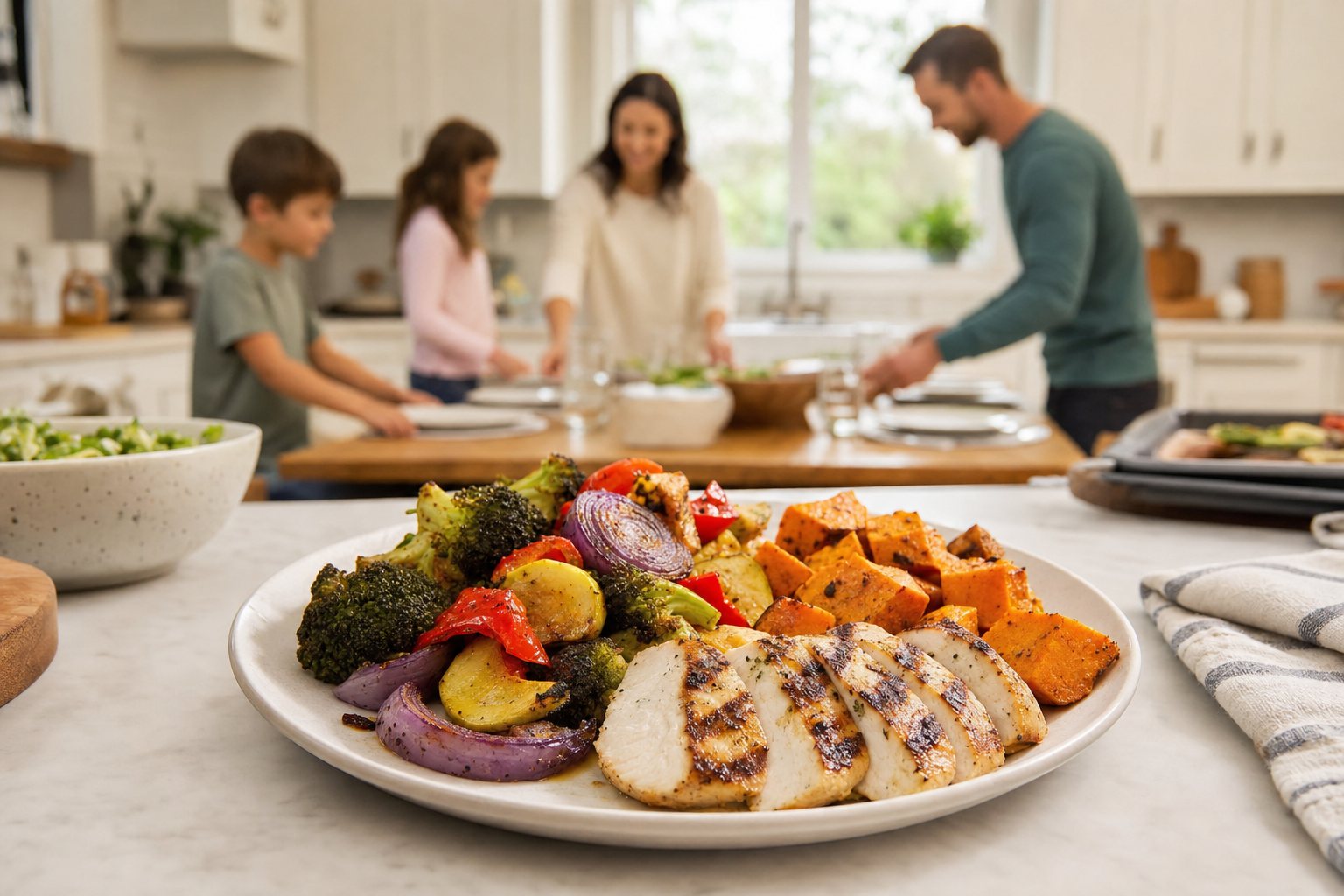
Every meal in the plan is designed to take under 30 minutes to prepare and uses family-friendly ingredients. The plan includes over 100 anti-inflammatory recipes across breakfast, lunch, dinner, and snacks.
FreshStart30 founder David Knox Vale used this same structured approach — combining anti-inflammatory nutrition, metabolic reset principles, and habit formation — in his own 48-pound transformation over 90 days, including a 10-inch waist reduction. The framework he built from that experience is what powers the FreshStart30 meal plan today.
The Core Nutrition Rules: Protein, Fiber, Smart Carbs, and Healthy Fats
Every meal in a 30-day weight loss plan for adults over 30 should follow four non-negotiable principles:
- Protein first: Aim for a quality protein source at every meal — eggs, chicken, fish, legumes, Greek yogurt. Protein preserves muscle mass during fat loss and keeps hunger hormones in check longer than carbohydrates alone.
- Fiber at every meal: Vegetables, legumes, and whole grains slow glucose absorption and feed the gut microbiome, which plays a role in metabolic health. Harvard Health identifies fiber-rich, plant-forward eating as a cornerstone of anti-inflammatory nutrition.
- Smart carbohydrates: Not all carbs are equal. Refined carbs spike blood sugar and promote fat storage. Whole-food carbs — sweet potatoes, oats, quinoa, legumes — provide sustained energy without the insulin spike.
- Healthy fats: Avocado, olive oil, nuts, and fatty fish support hormone production, reduce inflammation, and improve satiety. Cutting fat entirely is a 1990s mistake that still derails too many adults today.
Your 30-Day Meal Plan by Week
Week 1 — Reset: Remove ultra-processed foods, added sugars, refined grains, and alcohol. Replace with whole-food versions of your current meals. Focus on hydration and sleep. Do not count calories — focus on food quality.
Week 2 — Structure: Add deliberate protein targets at each meal. Introduce meal prep on Sundays to reduce weekday decision fatigue. Begin tracking energy levels and hunger patterns rather than the scale.
Week 3 — Momentum: Rotate protein sources and vegetable variety to prevent metabolic adaptation. Introduce one new anti-inflammatory recipe per week from the FreshStart30 library. Adjust portions based on hunger and energy feedback.
Week 4 — Habit Lock: The goal of week four is not to lose the most weight — it is to make the habits automatic. By day 28, the meal structures, prep routines, and food choices should feel normal, not effortful. This is what makes results last.
Simple Breakfast, Lunch, Dinner, and Snack Options
Breakfasts: Scrambled eggs with spinach and avocado; Greek yogurt with berries and chia seeds; overnight oats with almond butter and banana; veggie omelette with whole-grain toast.
Lunches: Large salad with grilled chicken, olive oil dressing, and chickpeas; turkey and avocado lettuce wraps; lentil soup with a side of roasted vegetables; quinoa bowl with black beans, corn, and salsa.
Dinners: Baked salmon with roasted sweet potato and steamed broccoli; ground turkey stir-fry with brown rice and mixed vegetables; chicken and vegetable sheet-pan dinner; lentil and vegetable curry over cauliflower rice.
Snacks: Apple with almond butter; hummus with cucumber and bell pepper strips; a small handful of mixed nuts; hard-boiled eggs; plain Greek yogurt with a drizzle of honey.
Every option above is under 30 minutes to prepare and uses ingredients available at any standard grocery store. The FreshStart30 30-day system expands these into a full rotating meal calendar with exact portions, substitution options, and a companion cookbook available on Amazon.
30-Day Grocery List and Meal Prep Strategy
A meal plan without a grocery strategy fails by Wednesday of week one. A good grocery strategy uses a weekly shopping list organized by category — proteins, produce, pantry staples, and healthy fats — so you spend less time in the store and less money on impulse purchases.
Core pantry staples to stock on day one: olive oil, canned chickpeas and lentils, quinoa, oats, canned wild salmon or tuna, almond butter, chia seeds, and a variety of dried herbs and spices. These form the backbone of dozens of meals and reduce the need for daily shopping trips.
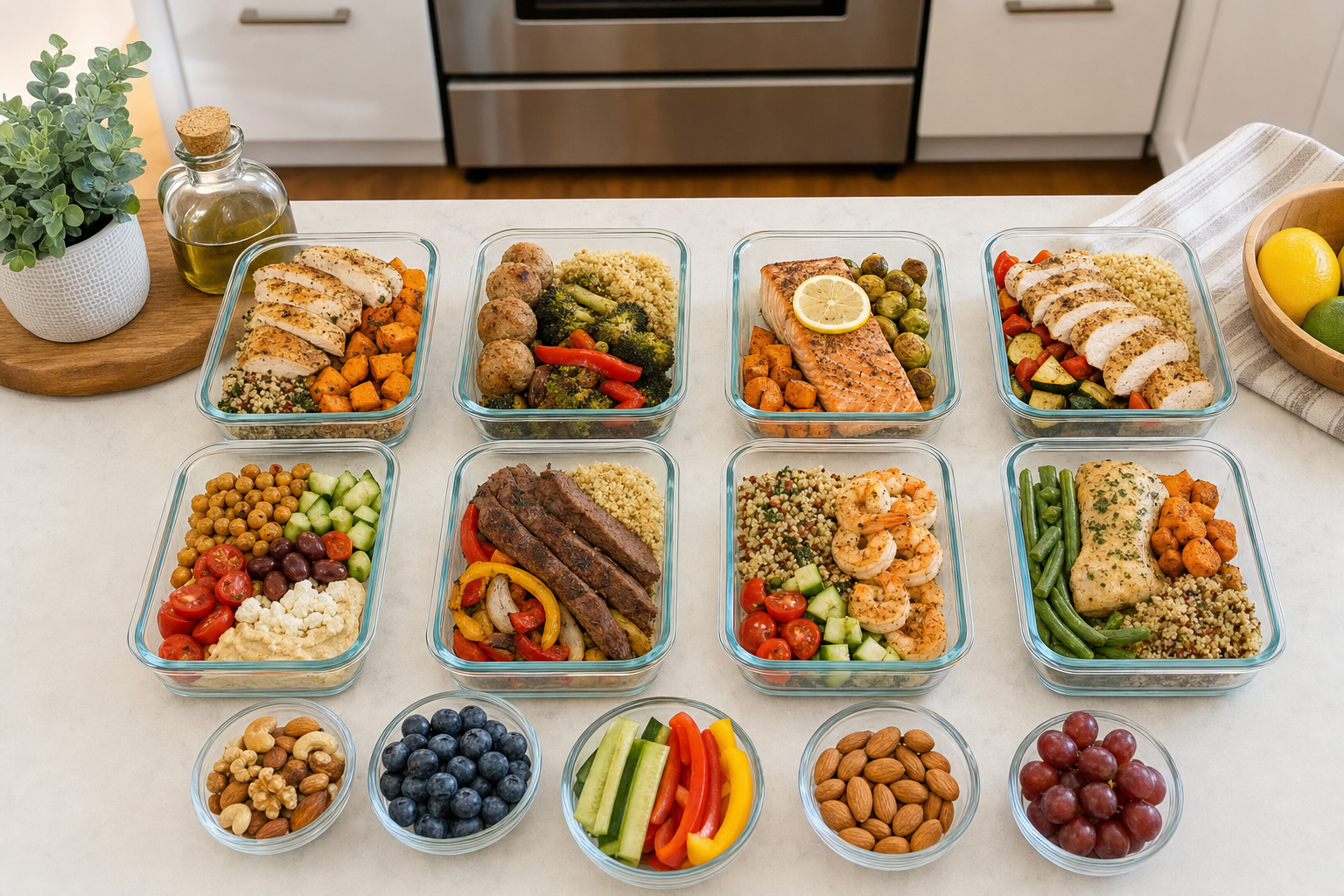
Sunday meal prep takes 60 to 90 minutes and covers most of the week: cook a large batch of grains, roast two sheet pans of vegetables, prep protein (boiled eggs, grilled chicken, or baked fish), and portion snacks into containers. This single weekly habit is one of the highest-leverage actions for adults with busy schedules.
How to Adjust the Plan for Women, Men, and Busy Schedules
Women in their 30s and 40s navigating perimenopause may benefit from additional emphasis on phytoestrogen-rich foods (flaxseed, edamame, legumes) and magnesium-rich vegetables to support hormonal balance. The Office on Women’s Health notes that hormonal changes during this life stage directly affect weight distribution and energy. The FreshStart30 Hormone Reset for Women protocol addresses these needs in greater depth.
Men over 30 dealing with declining testosterone and increasing abdominal fat benefit from higher protein targets, zinc-rich foods (pumpkin seeds, lean beef, legumes), and reduced refined carbohydrate intake. The FreshStart30 Testosterone Reset for Men Over 30 protocol layers on top of the base meal plan for this purpose.
For busy schedules, the plan is designed around batch cooking, simple ingredient lists, and meals that work as leftovers. Most dinners double as next-day lunches. Most breakfasts require five minutes or less. The structure is built for real life, not ideal conditions.
Common Mistakes That Slow Fat Loss After 30
- Relying on calorie counting alone: Calories matter, but food quality, meal timing, and macronutrient balance matter more for adults over 30 whose hormones and metabolism have shifted.
- Expecting overnight results: Metabolic reset takes time. The first two weeks often involve water weight fluctuation and energy adjustment before fat loss becomes visible.
- Skipping meals to cut calories: Skipping breakfast or lunch typically leads to overeating later and disrupts blood sugar regulation — the opposite of what adults over 30 need.
- Ignoring sleep and stress: Poor sleep elevates cortisol, which promotes fat storage regardless of diet quality. No meal plan fully compensates for chronic sleep deprivation.
- Expecting a fixed habit deadline. Habit timing varies; practice consistently. Read the research.
- Comparing results to people in their 20s: Adults over 30 are working with a different metabolic baseline. Progress that looks slower on the scale may still represent significant improvements in body composition, energy, and inflammation markers.
- Jumping to supplements instead of food: No supplement replaces the foundational work of whole-food nutrition, adequate protein, and consistent meal structure.
What Results to Expect in 30 Days
Individual results vary significantly based on starting point, consistency, sleep quality, stress levels, and underlying health conditions. What the FreshStart30 framework is designed to produce in 30 days is not a dramatic number on a scale — it is a measurable shift in how you feel, how your clothes fit, how your energy holds through the afternoon, and how your relationship with food changes.
Many adults report reduced bloating within the first week as inflammatory foods are removed. Energy levels often stabilize by week two as blood sugar becomes more consistent. By week four, the meal structures that felt effortful in week one typically feel like a normal part of the day. These are the changes that predict long-term success — not a single weigh-in number.
How to Keep the Weight Off After the First Month
The 30-day plan is a reset, not a finish line. At FreshStart30, we designed the program so that the habits built in 30 days become the foundation for the months that follow. The research on habit formation is clear: behaviors practiced consistently for 30 days are significantly more likely to persist than those attempted sporadically.
After day 30, the goal is to maintain the core structures — protein at every meal, whole-food carbohydrates, daily vegetables, consistent meal timing — while reintroducing flexibility. The FreshStart30 6-Week Wellness Transformation Course extends the framework beyond the initial reset for members who want continued structure and accountability.
Frequently Asked Questions
What makes a 30-day meal plan for weight loss after 30 different from a standard diet?
Adults over 30 face metabolic slowdown, hormonal shifts, and changes in insulin sensitivity that make standard calorie-cutting diets less effective. A meal plan designed for this age group prioritizes protein to preserve muscle, anti-inflammatory foods to reduce fat-storing inflammation, and blood-sugar-balancing meal structures — not just a calorie deficit.
How much time does meal prep take each week on the FreshStart30 plan?
Plan on 60 to 90 minutes for weekly meal prep on Sundays. Individual meals are designed to take under 30 minutes to prepare, and most dinners double as next-day lunches to reduce daily cooking time.
Is the FreshStart30 meal plan suitable for women going through perimenopause?
Yes. The base 30-day meal plan works for both men and women over 30, and FreshStart30 also offers a dedicated Hormone Reset for Women protocol that addresses the specific nutritional needs of women aged 30 to 50 navigating hormonal changes. Always consult your physician before starting any new nutrition program.
Do I need to count calories on the FreshStart30 30-day meal plan?
No. The FreshStart30 framework is built around food quality, meal structure, and portion balance — not calorie counting. The plan uses portion-balanced meal templates and hunger-awareness cues rather than tracking every gram of food consumed.
What is the FreshStart30 money-back guarantee?
FreshStart30 offers a 60-day money-back guarantee on all paid membership plans. If you are not satisfied within 60 days of purchase, you can contact support@freshstart30.com for a full refund. All plans are one-time payments with lifetime access — no subscriptions.
How much does the FreshStart30 meal plan cost?
FreshStart30 offers a free Starter plan, a Premium plan at $97, an Elite plan at $297, and a Complete plan at $397 — all one-time payments with lifetime access and no recurring subscriptions. The Complete plan includes the full 30-day meal plan, cookbook, and all advanced protocols.
What should I do if I fall off the meal plan during the 30 days?
Missing a day or a meal does not erase your progress. The FreshStart30 approach treats consistency over 30 days as more important than perfection on any single day. Simply return to the next scheduled meal in the plan and continue — the habit-building effect accumulates even with occasional interruptions.
Update Log
- August 2026: Article published with full 30-day meal plan framework, week-by-week structure, grocery and prep strategy, and FreshStart30 brand positioning for adults over 30.