Learn how to stop yo-yo dieting after 30 with a sustainable metabolic reset approach. Break the restrict-rebound cycle for good with the FreshStart30 framework.

How to Stop Yo-Yo Dieting After 30
If you want to know how to stop yo-yo dieting after 30, the answer is not another stricter diet — it is a metabolic reset built around how your body actually works now. The FreshStart30 framework was designed specifically for adults over 30 who are exhausted by the restrict-rebound cycle and ready for a sustainable path forward.
Pricing, plan tiers, and program inclusions are accurate as of publication and may change. Individual results vary. Statements have not been evaluated by the FDA. FreshStart30 is not intended to diagnose, treat, cure, or prevent any disease.
The diet cycle is one of the most common and frustrating patterns adults face after 30. You commit hard, lose some weight, life gets busy, old habits return, and the weight comes back — often with a little extra. Understanding why this happens is the first step to stopping it permanently.
Why Yo-Yo Dieting Gets Harder to Escape After 30
After 30, several biological shifts make the restrict-rebound cycle more punishing. Resting metabolic rate begins a gradual decline. Muscle mass decreases unless actively maintained. Hormonal changes — including shifts in cortisol, insulin sensitivity, estrogen, and testosterone — alter how your body stores and releases fat. According to the Cleveland Clinic, these age-related metabolic changes are real and measurable, and they mean that the same diet that worked at 24 will produce very different results at 38.
The problem is that most popular diets were not designed with these changes in mind. They rely on aggressive calorie deficits that trigger metabolic adaptation — your body’s survival response to perceived starvation. The result: weight loss stalls, hunger surges, and the moment you ease up, your body rapidly restores fat stores. This is not failure. It is biology.
The Real Reasons Diets Keep Failing You
Most diets fail adults over 30 for three interconnected reasons: they are too restrictive to sustain, they ignore the hormonal environment, and they do not build the habits needed for long-term change. Johns Hopkins Medicine notes that fad diets often produce short-term results but rarely lead to lasting lifestyle change — and can actually make future weight management harder.
All-or-nothing thinking compounds the problem. When a diet feels like deprivation, any deviation feels like total failure, triggering the “I’ll start again Monday” spiral. This psychological pattern is just as damaging as the metabolic one. Breaking the diet cycle requires addressing both.
What Repeated Dieting Does to Metabolism and Hormones
Each cycle of severe restriction followed by rebound eating leaves a mark. Research consistently shows that repeated crash dieting can reduce lean muscle mass, lower resting metabolic rate, and dysregulate hunger hormones like leptin and ghrelin. Insulin resistance — a condition where cells become less responsive to insulin — is also more common in adults who have cycled through multiple diets, and it directly impairs the body’s ability to burn fat efficiently.
The good news: these effects are not permanent. A structured metabolic reset focused on real food, consistent eating patterns, and stress reduction can help restore hormonal balance and improve insulin sensitivity over time. That recovery process takes weeks, not days — which is exactly why a 30-day framework is more effective than a 7-day cleanse.
How to Break the Restrict-Rebound Cycle for Good
Breaking the diet cycle permanently requires shifting the goal from “losing weight fast” to “building a body that maintains a healthy weight naturally.” That shift involves three practical changes:
- Eat enough to support your metabolism. Chronic under-eating is a primary driver of rebound weight gain. Adequate protein and nutrient-dense whole foods keep metabolism active and hunger hormones stable.
- Build habits, not rules. Rules get broken. Habits become automatic. Research on habit formation suggests that consistent repetition over several weeks is what makes new behaviors stick — which is why a 30-day structured reset is a meaningful unit of change.
- Address the full picture. Sleep, stress, movement, and hormonal health all influence weight. Ignoring them while only changing food is why so many diets produce partial results.
The FreshStart30 Approach to Sustainable Weight Loss After 30
FreshStart30 was built specifically to solve the yo-yo dieting problem for adults over 30. FreshStart30 founder David Knox Vale developed the framework after his own experience with the restrict-rebound cycle — ultimately losing 48 pounds in 90 days and reducing his waist by 10 inches using a structured anti-inflammatory and metabolic-reset approach. The goal was never another diet. It was a system that works with your biology, not against it.
Our framework includes a complete 30-day meal plan, 100+ anti-inflammatory recipes (most under 30 minutes), meal-planning guidance, progress tracking, and a habit-building structure designed for busy adults. The FreshStart30 membership plans range from a free starter tier to one-time lifetime access options — no subscriptions, no recurring charges. Every paid plan is backed by a 60-day money-back guarantee.
We do not count calories. We do not eliminate entire food groups. We focus on the metabolic and hormonal foundations that make sustainable weight loss possible after 30.
What to Eat Instead of Starting Another Crash Diet
The Harvard Health anti-inflammatory eating framework aligns closely with what we recommend at FreshStart30: vegetables, fruits, whole grains, lean proteins, healthy fats, and minimally processed foods. This is not a novel concept — but the way it is structured and sequenced matters enormously for adults whose metabolism has shifted after 30.
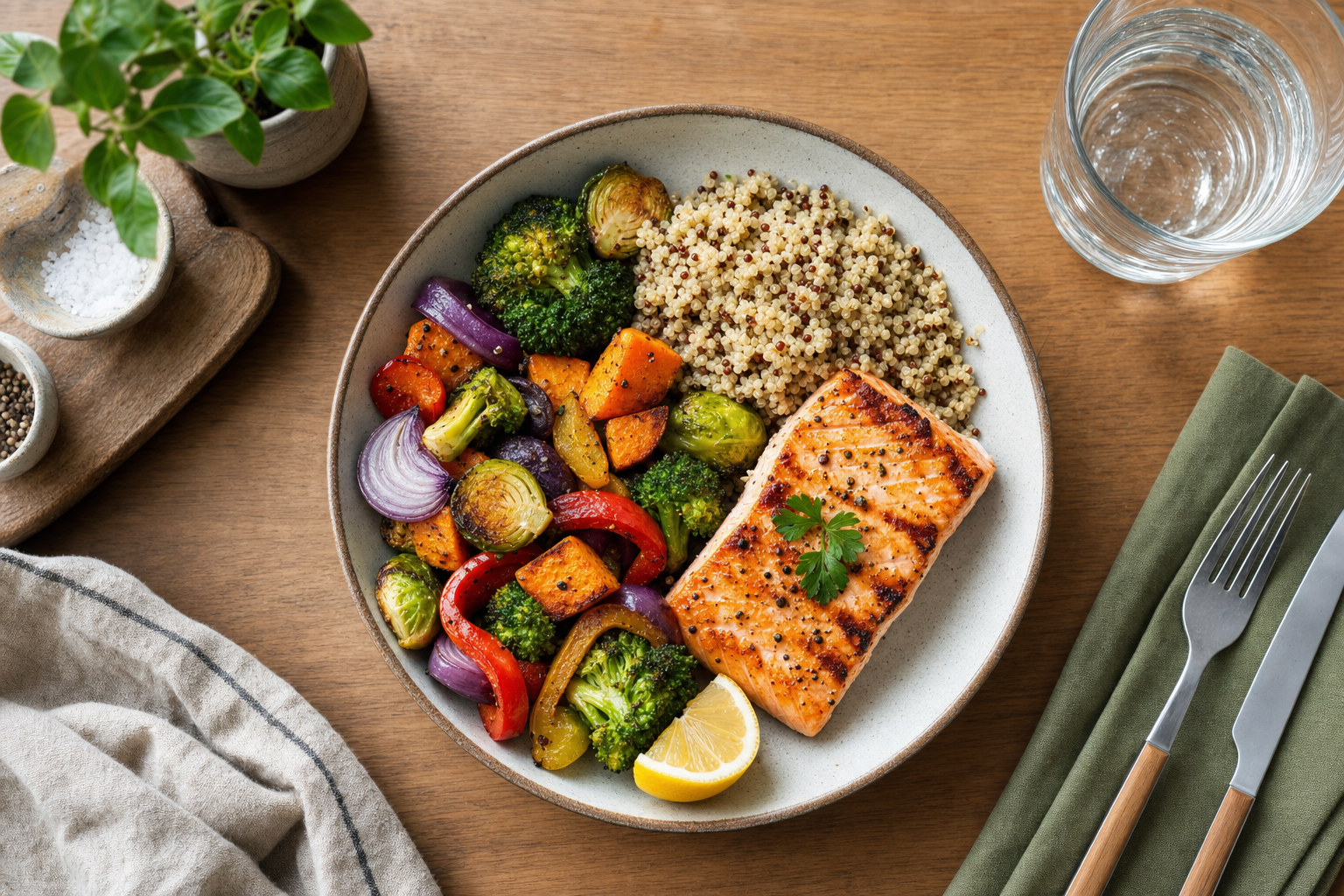
Practically, this means building meals around a quality protein source, adding fiber-rich vegetables, including a healthy fat, and keeping blood sugar stable by avoiding the high-sugar, low-protein patterns that drive afternoon energy crashes and evening overeating. The FreshStart30 meal plan does this work for you — no guesswork, no obsessive tracking.
Simple Habit Shifts That Help Weight Loss Stick
Sustainable weight loss after 30 is built on small, consistent actions — not dramatic overhauls. The most effective habit shifts are the ones that fit into a real life with real demands:
- Eat a protein-forward breakfast within 90 minutes of waking to stabilize blood sugar and reduce mid-morning cravings.
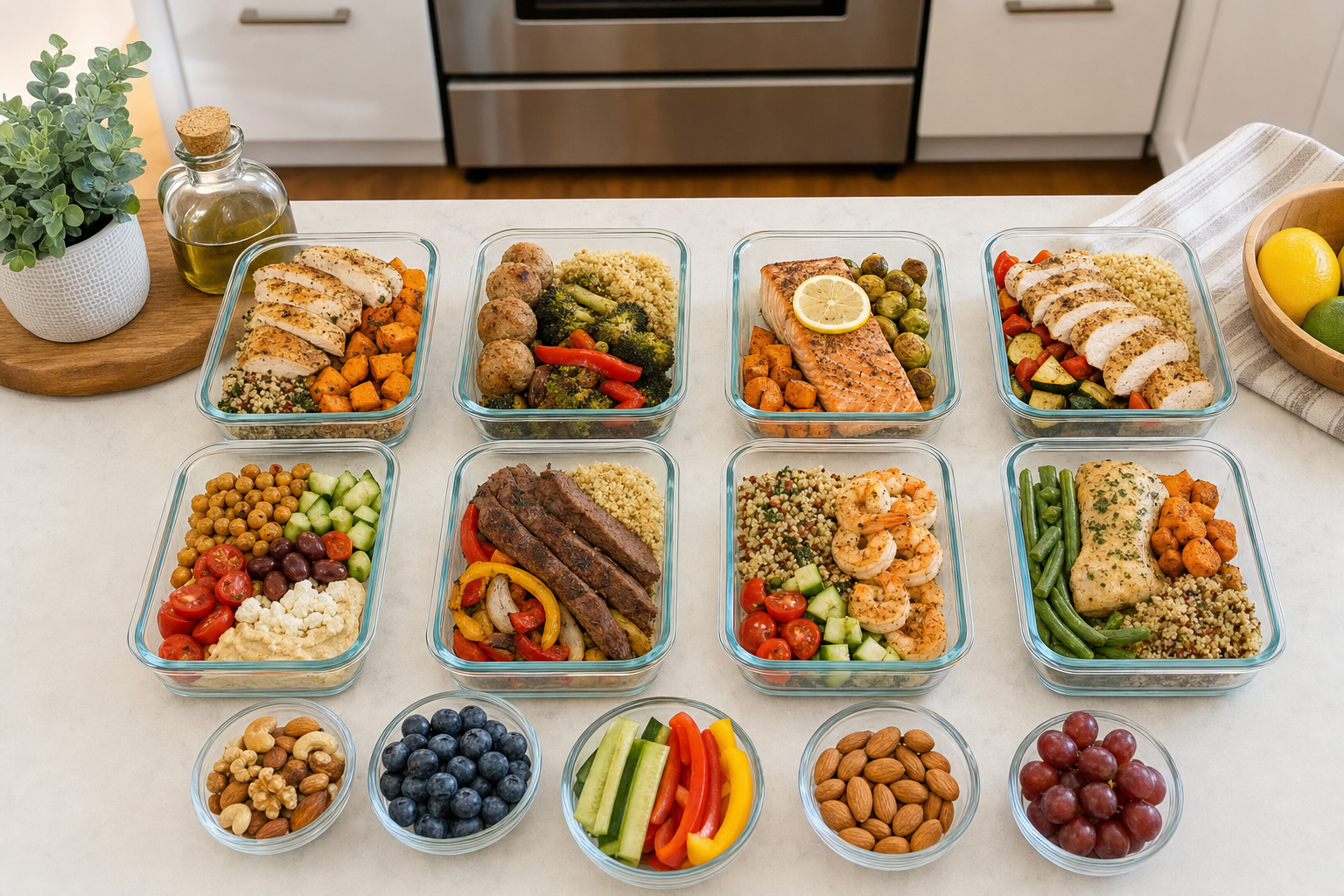
- Prepare two to three meals in advance each week to reduce the friction that leads to poor food choices when you are tired.
- Walk after dinner for 10 to 15 minutes — a simple habit with meaningful metabolic benefits.
- Set a consistent sleep and wake time. Sleep deprivation directly impairs hunger hormone regulation and fat metabolism.
- Replace the all-or-nothing mindset with a “next meal” mindset: one imperfect meal does not undo a week of progress.
Common Mistakes Adults Over 30 Make When Dieting
Understanding what not to do is just as important as knowing what to do. These are the patterns we see most often:
- Relying on calorie counting alone. Calories matter, but food quality, meal timing, and hormonal context matter just as much after 30.
- Expecting overnight results. Metabolic recovery takes weeks. Quitting before habits take hold — when habits begin to feel more automatic — is one of the most common reasons people stay stuck in the cycle.
- Comparing progress to people in their 20s. Your metabolism, hormones, and lifestyle are different. Your reset needs to be designed for where you are now.
- Skipping meals to compensate. Skipping meals spikes cortisol, slows metabolism, and increases the likelihood of overeating later.
- Jumping to supplements or extreme protocols. These rarely address the root causes of weight regain and often make the cycle worse.
- Ignoring sleep and stress. Chronic stress elevates cortisol, which promotes fat storage — particularly around the midsection. No diet can fully compensate for poor sleep and unmanaged stress.
When to Address Hormones, Stress, Sleep, and Hidden Weight-Loss Blockers
For some adults over 30, doing everything “right” still produces frustrating results. This is often a sign that hidden weight-loss blockers — hormonal imbalances, chronic stress, disrupted sleep, or insulin resistance — are working against progress. The Office on Women’s Health notes that hormonal changes during perimenopause and menopause significantly affect weight distribution and metabolic rate in women.
At FreshStart30, we offer advanced protocols specifically for these situations: the Hormone Reset for Women (designed for women 30–50) and the Testosterone Reset for Men Over 30. These are not generic programs — they are built around the specific hormonal and metabolic patterns that affect adults in this life stage. If you suspect hormones, stress, or sleep are blocking your results, take the free FreshStart30 Weight Loss Blocker Quiz (no email required) to identify your specific blockers before starting.
Your Next Step: Start a 30-Day Reset That Builds Real Momentum
If you have been stuck in the yo-yo dieting cycle, the answer is not more discipline — it is a better system. A 30-day structured reset gives your metabolism time to stabilize, your habits time to form, and your hormones time to recalibrate. That is a meaningful window of change, and it is exactly what FreshStart30 was built to deliver.
Start with the free Weight Loss Blocker Quiz to understand what is specifically working against you. Then choose the membership plan that fits your goals — from the free starter tier to the Complete one-time lifetime access plan at $397. Every paid plan includes a 60-day money-back guarantee, so there is no risk in starting.
Frequently Asked Questions
Why is yo-yo dieting harder to stop after 30?
After 30, metabolic rate slows, muscle mass decreases, and hormonal shifts affect how your body stores fat. These changes mean that aggressive restriction triggers stronger metabolic adaptation and faster rebound than it did in your 20s. A structured metabolic reset — rather than another crash diet — is the most effective response.
Does yo-yo dieting permanently damage your metabolism?
Repeated cycles of severe restriction can reduce resting metabolic rate and disrupt hunger hormones, but these effects are generally not permanent. A structured recovery approach focused on adequate nutrition, consistent habits, and hormonal support can help restore metabolic function over time. Individual results vary.
What should I eat to break the diet cycle after 30?
Focus on anti-inflammatory whole foods — lean proteins, vegetables, fruits, whole grains, and healthy fats — structured to keep blood sugar stable and hunger hormones balanced. The FreshStart30 30-day meal plan does this planning for you, with 100+ recipes and meal-planning guidance included.
How is FreshStart30 different from other diet programs?
FreshStart30 is not a diet — it is a 30-day metabolic reset built specifically for adults over 30. It focuses on anti-inflammatory eating, habit formation, and addressing hidden weight-loss blockers like hormonal imbalance and insulin resistance, rather than extreme calorie restriction or food elimination.
Is there a money-back guarantee with FreshStart30?
Yes. Every paid FreshStart30 membership plan is backed by a 60-day money-back guarantee. Plans are one-time payments with lifetime access — no subscriptions or recurring charges.
How long does it take to break the yo-yo dieting cycle?
Meaningful metabolic and habit change typically requires at least 30 days of consistent, structured effort. Habit-formation research (Lally et al., 2010) found that new routines took anywhere from 18 to 254 days to feel automatic, with a median of about 66 days — so a 30-day reset is a starting point, not a finish line. A new routine is easiest to abandon before it has become automatic, which is why structure matters more than perfection at the start. A 30-day reset provides the minimum effective window for lasting change.
What if I suspect hormones are blocking my weight loss?
FreshStart30 offers the free Weight Loss Blocker Quiz (no email required) to help identify specific blockers, including hormonal factors. Advanced protocols — the Hormone Reset for Women and the Testosterone Reset for Men Over 30 — are available for adults whose results are affected by hormonal shifts. Always consult your physician if you suspect a clinical hormonal condition.
Update Log
- May 2026: Article published covering yo-yo dieting causes after 30, metabolic adaptation, habit formation strategies, the FreshStart30 metabolic reset framework, and hidden weight-loss blockers including hormonal and sleep factors.