Comparing FreshStart30 vs intermittent fasting after 30? See why a metabolic reset built for adults 30+ may deliver more sustainable results than rigid fasting windows.

FreshStart30 vs Intermittent Fasting After 30: What Actually Works?
When it comes to FreshStart30 vs intermittent fasting after 30, the question isn’t which approach sounds more impressive — it’s which one your body, hormones, and real-life schedule can actually sustain. The FreshStart30 framework was built specifically for adults whose metabolism, stress load, and hormonal landscape have shifted after 30, and the difference in approach matters more than most fasting articles will tell you.
Pricing, plan tiers, and program inclusions are accurate as of publication and may change. Individual results vary. Statements have not been evaluated by the FDA. FreshStart30 is not intended to diagnose, treat, cure, or prevent any disease.
The conversation around weight loss after 30 is often dominated by trending strategies — and intermittent fasting has been near the top of that list for years. But trending doesn’t always mean appropriate, especially when your metabolism, hormones, and daily demands have changed. This guide breaks down the honest comparison so you can make an informed decision.
The Real Difference Between the Two Approaches
Intermittent fasting (IF) is primarily a meal-timing strategy. The most common version — the 16:8 method — restricts eating to an 8-hour window each day. It doesn’t specify what you eat, how you support your hormones, or how you build lasting habits. For some people in their 20s with stable cortisol and flexible schedules, this simplicity is an asset.
The FreshStart30 30-day metabolic reset takes a fundamentally different approach. Rather than restricting when you eat, it focuses on what you eat, how your body processes it, and how to build the daily habits that make healthy eating automatic — not effortful. At FreshStart30, we designed the system specifically for adults over 30 who are dealing with slower metabolism, hormonal shifts, and the kind of busy life that makes skipping breakfast feel less like a strategy and more like a stressor.
Why Intermittent Fasting Often Gets Harder to Sustain After 30
After 30, several biological and lifestyle factors converge that can make strict fasting windows more difficult to maintain — and in some cases, less effective:
- Metabolic slowdown: Research highlighted by the Mayo Clinic confirms that metabolism naturally slows with age, meaning the calorie-restriction benefit of fasting shrinks while the hunger and fatigue costs remain.
- Cortisol sensitivity: Skipping meals — especially breakfast — can elevate cortisol in already-stressed adults, which may promote fat storage rather than fat loss.
- Muscle preservation: Adults over 30 are more susceptible to muscle loss during caloric restriction. Without adequate protein timing, extended fasting windows can accelerate this.
- Adherence drop-off: The rigid structure of fasting windows conflicts with family meals, work schedules, travel, and social eating — all of which become more complex after 30.
None of this means intermittent fasting is universally harmful. It means the tradeoffs look different after 30, and a one-size-fits-all timing rule rarely accounts for that.
Hormones, Stress, Sleep, and Blood Sugar: What Most Fasting Articles Miss
Most intermittent fasting content focuses on the insulin-lowering benefit of fasting windows. That’s a real mechanism — but it’s only part of the picture after 30. Cleveland Clinic notes that hormonal changes, reduced muscle mass, and lifestyle factors all compound to make weight loss harder as we age — and fasting alone doesn’t address most of them.
For women in their 30s and 40s, fluctuating estrogen and progesterone affect appetite, sleep quality, and fat distribution. For men, declining testosterone after 30 affects muscle retention and energy. Both groups often carry elevated cortisol from work, family, and financial stress. Layering a rigid fasting window on top of these pressures can increase the hormonal burden rather than reduce it.
Insulin resistance — a key driver of stubborn weight gain after 30 — is better addressed through food quality and meal composition than through timing alone. Anti-inflammatory foods, adequate fiber, and balanced macronutrients all improve insulin sensitivity in ways that a fasting window, by itself, does not.
Who May Do Well With Fasting — and Who May Need a Different Approach
Intermittent fasting isn’t without merit. Some adults over 30 do find it helpful, particularly those who:
- Naturally aren’t hungry in the morning and don’t experience energy crashes from skipping breakfast
- Have stable cortisol and sleep patterns
- Are already eating a high-quality, anti-inflammatory diet and want to add a timing layer
- Have been cleared by their physician and have no history of disordered eating
However, fasting is likely to be less effective — or harder to sustain — for adults who:
- Experience significant stress, poor sleep, or hormonal disruption
- Have a history of disordered eating or blood sugar instability
- Are perimenopausal or managing low testosterone
- Need a structured food quality framework, not just a timing rule
How the FreshStart30 System Works in Real Life
FreshStart30 founder David Knox Vale lost 48 pounds in 90 days and reduced his waist by 10 inches — not through fasting windows or extreme restriction, but through a structured anti-inflammatory nutrition and metabolic-reset framework that he then built into the FreshStart30 program for adults 30+.
Habit-formation research (Lally et al., 2010) found that new routines took anywhere from 18 to 254 days to feel automatic, with a median of about 66 days — so a 30-day reset is a starting point, not a finish line. A new routine is easiest to abandon before it has become automatic, which is why structure matters more than perfection at the start. The FreshStart30 membership plans start with a free tier and go up to the Complete plan at a one-time payment of $397 — no subscriptions, lifetime access.
The framework pairs that habit-building structure with anti-inflammatory nutrition. Harvard Health’s research on anti-inflammatory nutrition supports the food-quality-first approach at the core of our system.
Which Approach Is More Realistic for Busy Adults After 30?
For most busy adults over 30 — managing careers, families, and real-world schedules — a rigid fasting window adds friction without addressing the root causes of weight gain: food quality, hormonal shifts, chronic stress, and poor sleep. The CDC’s guidance on healthy weight loss consistently emphasizes sustainable lifestyle changes over short-term restriction strategies.
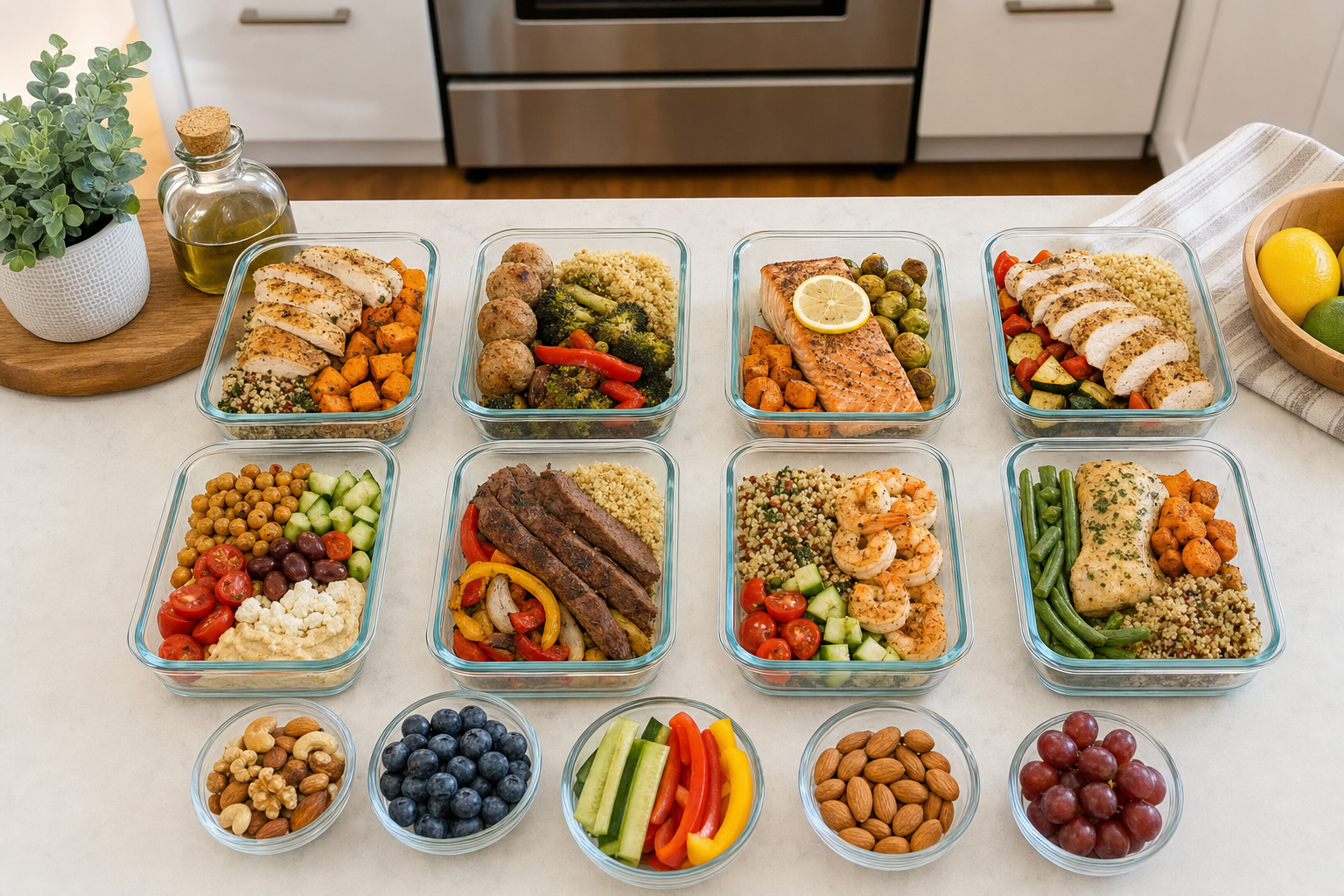
FreshStart30 was built for exactly this reality. Family-friendly meals, flexible meal timing, and a 30-day structure that builds habits rather than demanding willpower make it a more practical fit for the life most adults over 30 are actually living.
Common Mistakes Adults Over 30 Make With Weight Loss
- Relying on calorie counting alone without addressing food quality or inflammation
- Expecting overnight results — metabolic and habit changes take consistent effort over weeks, and how quickly you notice them varies from person to person
- Falling for fad diets — including rigid fasting protocols — that aren’t designed for post-30 hormonal realities
- Skipping meals in a way that elevates cortisol and increases cravings later in the day
- Ignoring sleep and stress, which are among the most powerful drivers of weight gain after 30
- Jumping to supplements before fixing the nutritional foundation
- Comparing progress to people in their 20s, whose metabolic and hormonal baseline is fundamentally different
Your Better Next Step
If you’ve tried intermittent fasting and found it unsustainable, exhausting, or ineffective, that’s not a personal failure — it’s a signal that your body after 30 needs a different framework. The FreshStart30 Weight Loss Blocker Quiz (free, 2 minutes, no email required) can help you identify what’s actually blocking your results — whether that’s insulin resistance, hormonal imbalance, stress-driven cortisol, or something else entirely.
From there, the FreshStart30 30-day reset gives you a clear, structured path: real food, real habits, and a system built for the metabolism and life you have right now — not the one you had at 22.
Frequently Asked Questions
Is intermittent fasting safe for adults over 30?
For many healthy adults, intermittent fasting is safe, but it isn’t universally appropriate — especially for those with hormonal imbalances, blood sugar issues, high stress, or a history of disordered eating. Always consult your physician before starting any fasting protocol.
Why is it harder to lose weight after 30?
After 30, metabolism naturally slows, muscle mass begins to decline, and hormonal shifts (including changes in estrogen, testosterone, and cortisol) affect how the body stores and burns fat. These factors mean that strategies effective in your 20s may not produce the same results later.
How is FreshStart30 different from intermittent fasting?
Intermittent fasting is a meal-timing strategy. FreshStart30 is a complete 30-day metabolic reset that addresses food quality, anti-inflammatory nutrition, habit formation, and hormonal support — not just when you eat, but what you eat and how your body responds to it.
Does FreshStart30 require skipping meals or fasting?
No. FreshStart30 does not require fasting windows or meal skipping. The system uses anti-inflammatory, protein-anchored meals timed to support stable blood sugar and sustained energy throughout the day.
What does FreshStart30 cost, and is there a guarantee?
FreshStart30 offers a free starter tier, with paid plans at $97 (Premium), $297 (Elite), and $397 (Complete) — all one-time payments with lifetime access and no subscriptions. Every paid plan is backed by a 60-day money-back guarantee.
Can women in perimenopause use FreshStart30?
Yes. FreshStart30 includes a Hormone Reset for Women protocol designed specifically for women aged 30 to 50, addressing the hormonal shifts that affect weight, energy, and metabolism during perimenopause. Consult your physician before starting any new program.
How do I know what’s blocking my weight loss results?
FreshStart30 offers a free 2-minute Weight Loss Blocker Quiz (no email required) that helps identify the specific factors — insulin resistance, hormonal imbalance, cortisol, or nutrition gaps — that may be preventing results. Visit freshstart30.com to take the quiz.
Update Log
- May 2026: Article published comparing FreshStart30 vs intermittent fasting for adults over 30, including hormonal context, sustainability factors, and FreshStart30 framework positioning.