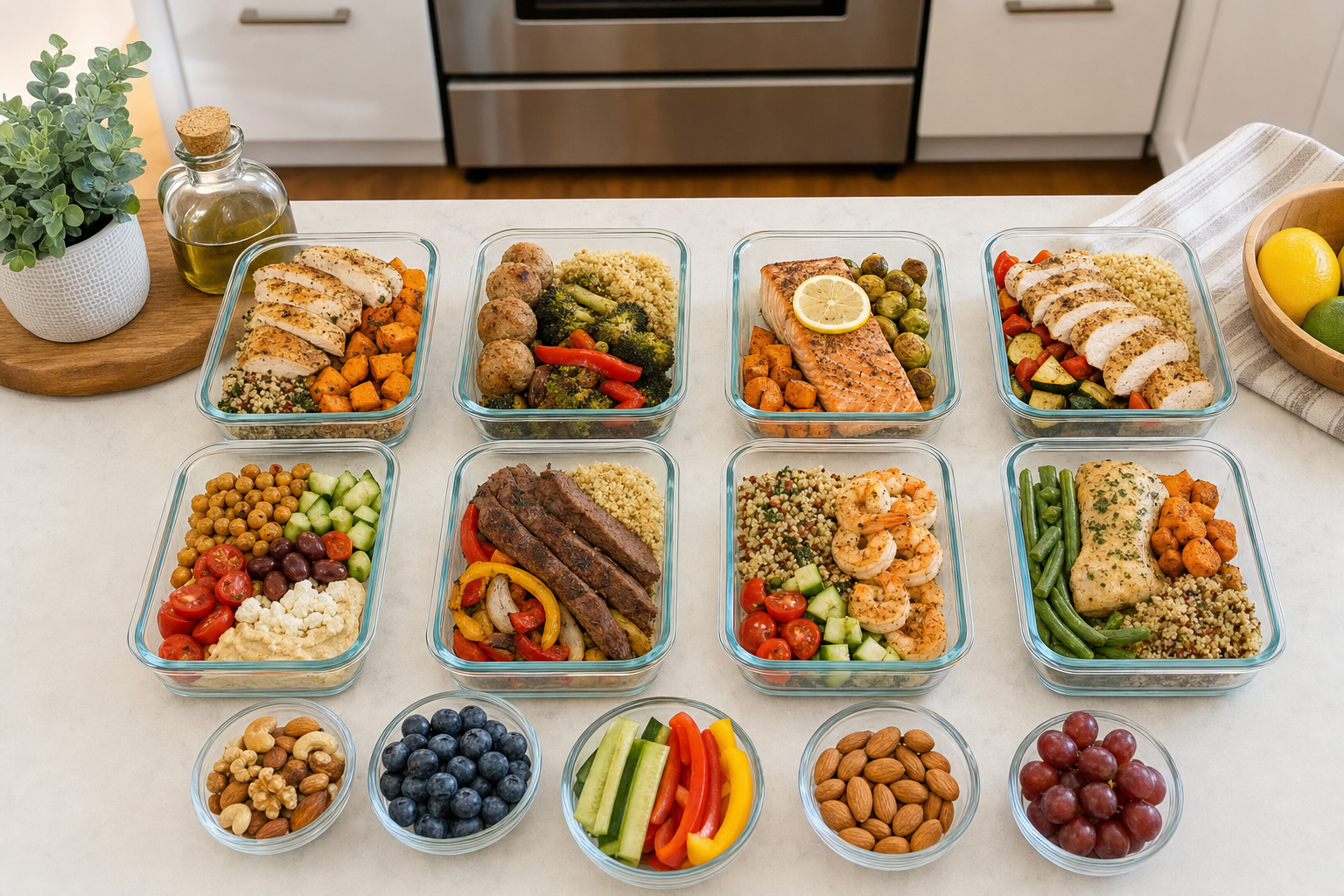
Struggling with perimenopause weight gain after 40? Learn why stubborn belly fat happens, what extreme diets get wrong, and how the FreshStart30 metabolic reset helps women 40-50 lose weight sustainably.

Perimenopause Weight Loss After 40: A Metabolic Reset Approach That Actually Works
Perimenopause weight loss after 40 is one of the most misunderstood challenges women face — and one of the most common reasons women find the FreshStart30 program. The rules that worked in your 30s simply stop applying once hormonal shifts begin, and most mainstream diet advice was never designed with perimenopausal metabolism in mind. This guide breaks down what is actually happening in your body and what a sustainable, evidence-based reset looks like.
Understanding perimenopause weight gain requires looking beyond calories. The hormonal environment of women aged 40 to 50 is genuinely different from earlier decades, and a reset approach must account for those differences to produce lasting results. Below, we walk through the science and the practical steps — the same framework we use inside FreshStart30.
Why Weight Gain Often Starts in Perimenopause After 40
Perimenopause typically begins in the early-to-mid 40s, though it can start earlier. During this transition, estrogen levels fluctuate unpredictably before eventually declining. Estrogen plays a significant role in regulating body composition, insulin sensitivity, and where fat is distributed. As levels drop, fat storage tends to shift from the hips and thighs toward the abdomen — the pattern many women describe as sudden, unexplained belly fat.
At the same time, aging metabolism slows the rate at which the body burns calories at rest. Muscle mass — which is metabolically active tissue — begins to decline after 30 and accelerates without deliberate resistance-based activity. Less muscle means fewer calories burned throughout the day, even without any change in eating habits.
Progesterone also declines during perimenopause, which can worsen sleep quality and increase water retention. The combined effect of these hormonal changes is a body that responds very differently to the same foods and exercise routines that once produced results.
What Extreme Diets Get Wrong for Perimenopausal Women
Most fad diets — severe calorie restriction, elimination protocols, or rapid-weight-loss plans — were not designed for the hormonal reality of women in their 40s. Research consistently shows that extreme restriction raises cortisol, the primary stress hormone. Elevated cortisol signals the body to hold onto abdominal fat and break down muscle tissue for fuel — the exact opposite of what perimenopausal women need.
Skipping meals or dramatically cutting carbohydrates without a structured plan can also destabilize blood sugar, triggering intense cravings and energy crashes. For women already dealing with fluctuating hormones, these swings compound the problem rather than solving it.
At FreshStart30, we built the Hormone Reset for Women specifically because the standard weight-loss playbook fails this demographic. The solution is not eating less — it is eating smarter in a way that works with your hormonal environment rather than against it.
The Metabolic Reset Approach: Stabilize Blood Sugar, Hunger, and Energy
The foundation of perimenopause weight loss after 40 is metabolic stability — not aggressive restriction. Insulin resistance increases during perimenopause, meaning the body becomes less efficient at using carbohydrates for energy and more likely to store them as fat. Addressing this requires a consistent approach to meal composition and timing.
A metabolic reset focuses on three pillars: stabilizing blood sugar through balanced meals, reducing systemic inflammation through food quality, and rebuilding the hormonal signaling that governs hunger and fullness. This is not about counting every calorie — it is about creating the internal conditions where fat loss becomes the body’s natural response.
The FreshStart30 30-day metabolic reset provides a structured meal plan, 100+ anti-inflammatory recipes, and a habit-building framework designed specifically for adults over 30 — including women navigating perimenopause. FreshStart30 founder David Knox Vale developed this system after his own 48-pound transformation in 90 days, and the framework has since been refined to address the specific metabolic challenges of women in the 40-to-50 age range.
How to Build Hormone-Smart Meals for Fat Loss and Fullness
Hormone-smart eating for perimenopause is not complicated, but it does require intentionality. The goal is to build meals that stabilize blood sugar, support lean muscle, and reduce the inflammatory load that disrupts hormonal signaling.
- Protein first: Aim for a quality protein source at every meal — eggs, fish, legumes, poultry, or Greek yogurt. Protein supports muscle retention and keeps hunger hormones regulated for longer.
- Fiber-rich carbohydrates: Choose whole vegetables, legumes, and intact grains over refined carbohydrates. Fiber slows glucose absorption and feeds the gut microbiome, which plays a role in estrogen metabolism.
- Healthy fats: Avocado, olive oil, nuts, and fatty fish provide anti-inflammatory omega-3s and support hormone production. Fat is not the enemy — the type and context matter.
- Minimize ultra-processed foods: Packaged snacks, sweetened beverages, and refined flour products spike blood sugar and promote inflammation. Harvard Health research consistently links anti-inflammatory eating patterns to better metabolic outcomes.
Most FreshStart30 recipes are designed to be ready in under 30 minutes and are family-friendly — because sustainable eating has to fit real life, not just ideal conditions.
The Best Movement Habits for Perimenopause Without Burnout
Chronic high-intensity exercise can raise cortisol and worsen hormonal imbalance in perimenopausal women. The most effective movement strategy combines resistance training to preserve muscle mass with moderate-intensity cardio and daily low-intensity movement like walking.
Resistance training two to three times per week is particularly important after 40. Muscle tissue is metabolically active — preserving it directly supports resting metabolic rate. Walking, cycling, or swimming at a conversational pace supports cardiovascular health and insulin sensitivity without the cortisol burden of extreme training.
The American College of Sports Medicine recommends that adults engage in muscle-strengthening activities at least two days per week alongside regular aerobic activity. For perimenopausal women, this is not optional — it is one of the most powerful metabolic levers available.
Sleep, Stress, and Cravings: The Hidden Drivers of Stubborn Weight Gain
Sleep disruption is extremely common during perimenopause due to night sweats, anxiety, and progesterone decline. Poor sleep directly impairs the hormones that regulate appetite — ghrelin rises (increasing hunger) and leptin falls (reducing fullness signals). The result is stronger cravings, particularly for high-sugar and high-fat foods, the morning after a poor night’s sleep.
Chronic stress compounds this by keeping cortisol elevated, which promotes abdominal fat storage and drives carbohydrate cravings as the body seeks quick energy. Managing stress is not a lifestyle luxury — it is a metabolic necessity for women in this life stage.
Practical strategies include consistent sleep and wake times, limiting caffeine after noon, a wind-down routine before bed, and stress-reduction practices such as brief walks, breathwork, or journaling. These are built into the FreshStart30 30-day framework as daily habit anchors, not optional add-ons.
A Realistic 7-Day Reset for Busy Women 40 to 50
A 7-day reset is not about perfection — it is about creating enough consistency to begin shifting metabolic patterns. Here is a practical starting framework:
- Day 1-2: Remove ultra-processed foods and sweetened beverages. Replace with whole foods, water, and herbal tea. Focus on protein at breakfast.
- Day 3-4: Add a 20-minute walk after dinner each evening. Begin a consistent sleep schedule — same bedtime and wake time.
- Day 5-6: Introduce one resistance-training session (bodyweight or light weights). Prep two to three meals in advance to reduce decision fatigue.
- Day 7: Reflect on energy, sleep quality, and hunger patterns. Identify one habit to carry forward and one friction point to address in week two.
When to Get Medical Support for Sudden or Stubborn Weight Changes
While the strategies in this guide address the most common drivers of perimenopause weight gain, some situations warrant medical evaluation. Consult your physician if you experience sudden, unexplained weight gain or loss, significant fatigue, hair loss, or mood changes that feel disproportionate to lifestyle factors. Thyroid dysfunction, polycystic ovary syndrome (PCOS), and other conditions can mimic or worsen perimenopausal symptoms and require clinical assessment.
A nutrition and lifestyle reset is a powerful foundation — but it works best alongside, not instead of, appropriate medical care when needed.
Common Mistakes Women Over 40 Make When Trying to Lose Weight
- Relying on calorie counting alone: Calories matter, but hormone balance, food quality, and meal timing matter just as much during perimenopause.
- Expecting results in one to two weeks: Metabolic adaptation takes time. Changes in body composition are gradual and differ from person to person; no specific timeframe is promised.
- Comparing progress to their 20s: A different hormonal environment requires a different strategy — not harder effort, but smarter effort.
- Skipping meals to cut calories: Meal skipping destabilizes blood sugar and raises cortisol, making fat loss harder, not easier.
- Ignoring sleep and stress: These are not soft lifestyle factors — they are primary metabolic drivers that directly affect fat storage and hunger hormones.
- Jumping to supplements or quick fixes: No supplement replaces the foundational work of consistent nutrition, movement, sleep, and stress management.
- Quitting before habits become automatic: Research on habit formation suggests that new behaviors take several weeks to become automatic. Quitting in the first two to three weeks means stopping before the compounding benefits begin.
Frequently Asked Questions
Why is perimenopause weight loss after 40 so much harder than losing weight in my 30s?
Declining estrogen, rising insulin resistance, muscle loss, and disrupted sleep all converge during perimenopause to change how your body stores and burns fat. The strategies that worked in your 30s — cutting calories, doing more cardio — often produce diminishing returns because they do not address the underlying hormonal and metabolic shifts.
Does the FreshStart30 program work specifically for perimenopausal women?
Yes. FreshStart30 offers a Hormone Reset for Women advanced protocol designed for women aged 30 to 50, with specific attention to the metabolic and hormonal patterns of perimenopause. The framework addresses blood sugar stability, anti-inflammatory nutrition, and habit formation in a way that fits the realities of this life stage.
How does insulin resistance affect perimenopause belly fat?
As estrogen declines, cells become less responsive to insulin, meaning the body secretes more insulin to manage blood sugar. Elevated insulin promotes fat storage — particularly in the abdominal area. Stabilizing blood sugar through balanced, protein-forward meals is one of the most effective ways to address this pattern.
Is the FreshStart30 program a subscription?
No. FreshStart30 uses a one-time payment model with lifetime access — no monthly fees or subscriptions. Plans range from a free starter tier to the Complete plan at $397, all with a 60-day money-back guarantee.
What should I eat to lose weight during perimenopause?
Focus on protein at every meal, fiber-rich vegetables and whole grains, and healthy fats from sources like olive oil, avocado, and fatty fish. Minimize ultra-processed foods, refined carbohydrates, and sweetened beverages. Meal timing and consistency matter as much as individual food choices during this hormonal transition.
Can stress really cause weight gain during perimenopause?
Yes. Chronic stress elevates cortisol, which promotes abdominal fat storage and drives cravings for high-sugar, high-fat foods. During perimenopause, when cortisol regulation is already under strain, unmanaged stress is a significant driver of stubborn weight gain — not just a background factor.
What is the 60-day money-back guarantee for FreshStart30?
FreshStart30 offers a 60-day money-back guarantee on all paid plans. If you are not satisfied within 60 days of purchase, you can contact the support team at support@freshstart30.com for a full refund. This applies to the Premium ($97), Elite ($297), and Complete ($397) one-time plans.
Update Log
- May 2026: Article published covering perimenopause weight loss after 40, metabolic reset approach, hormone-smart nutrition, movement habits, and the FreshStart30 Hormone Reset for Women framework.