Struggling with perimenopause weight gain after 30? Learn why it happens, what makes extreme dieting backfire, and how the FreshStart30 framework supports sustainable fat loss through hormone balance, anti-inflammatory nutrition, and smart daily habits.
Perimenopause Weight Loss After 30: A Hormone-Smart Reset That Actually Works
Perimenopause weight loss after 30 is one of the most misunderstood challenges women face — and one of the most common reasons women come to FreshStart30 feeling frustrated, exhausted, and convinced their body is working against them. The truth is, your body isn’t broken; it’s responding to real hormonal and metabolic shifts that standard diet advice completely ignores. This guide explains what’s actually happening and what to do about it.
Pricing, plan tiers, and program inclusions are accurate as of publication and may change. Individual results vary. Statements have not been evaluated by the FDA. FreshStart30 is not intended to diagnose, treat, cure, or prevent any disease.
Understanding perimenopause weight gain starts with understanding that this is a physiological shift, not a willpower problem. The hormonal changes that begin in your 30s and accelerate through your 40s affect insulin sensitivity, cortisol regulation, muscle retention, and appetite signaling all at once. Addressing just one factor — like cutting calories — while ignoring the others is why so many women feel stuck despite doing “everything right.”
Why Perimenopause Weight Gain Happens After 30
Perimenopause is the hormonal transition period that can begin as early as the mid-30s, long before periods actually stop. Estrogen and progesterone levels begin to fluctuate unpredictably, and these fluctuations have a direct impact on metabolism, fat distribution, and hunger signals.
Estrogen plays a key role in insulin sensitivity. As levels decline and fluctuate, cells become less responsive to insulin — a state known as insulin resistance. When insulin resistance increases, the body stores more energy as fat, particularly visceral fat around the abdomen, rather than burning it efficiently. At the same time, declining estrogen is associated with a gradual loss of lean muscle mass, which further slows resting metabolic rate.
Progesterone decline contributes to poor sleep quality, water retention, and heightened stress reactivity — all of which compound the metabolic slowdown. The result is a body that responds very differently to food and exercise than it did in your 20s, even if your habits haven’t changed.
According to the Office on Women’s Health, these hormonal changes are a normal part of the female reproductive lifespan — but “normal” doesn’t mean you have to accept the weight gain that often accompanies them. It means you need a strategy that works with your hormones, not against them.

What Makes Extreme Dieting Backfire During Perimenopause
The instinct when weight starts creeping up is to eat less. But during perimenopause, severe calorie restriction is one of the most counterproductive strategies you can choose. Here’s why.
Extreme restriction can also leave you very hungry. Long-lasting stress can make regular meals, sleep and activity harder to keep up. It also accelerates muscle breakdown, which is already a risk during the perimenopausal transition. Less muscle means a lower resting metabolic rate, which means the same calorie intake that once maintained your weight now causes gain.
Fad diets — very low carb, very low fat, extreme detoxes, prolonged fasting protocols — tend to produce short-term scale movement followed by rapid rebound, because they don’t address the underlying hormonal environment. Mayo Clinic’s guidance on choosing a diet notes that diets which leave you feeling deprived are hard to keep up, and that lost weight tends to return when you go back to old habits.
At FreshStart30, our framework is built around the opposite principle: eat enough of the right foods to support hormonal balance, preserve muscle, and keep metabolism functioning — rather than starving the body into temporary compliance.
The FreshStart30 Food Strategy for Hormone-Smart Fat Loss
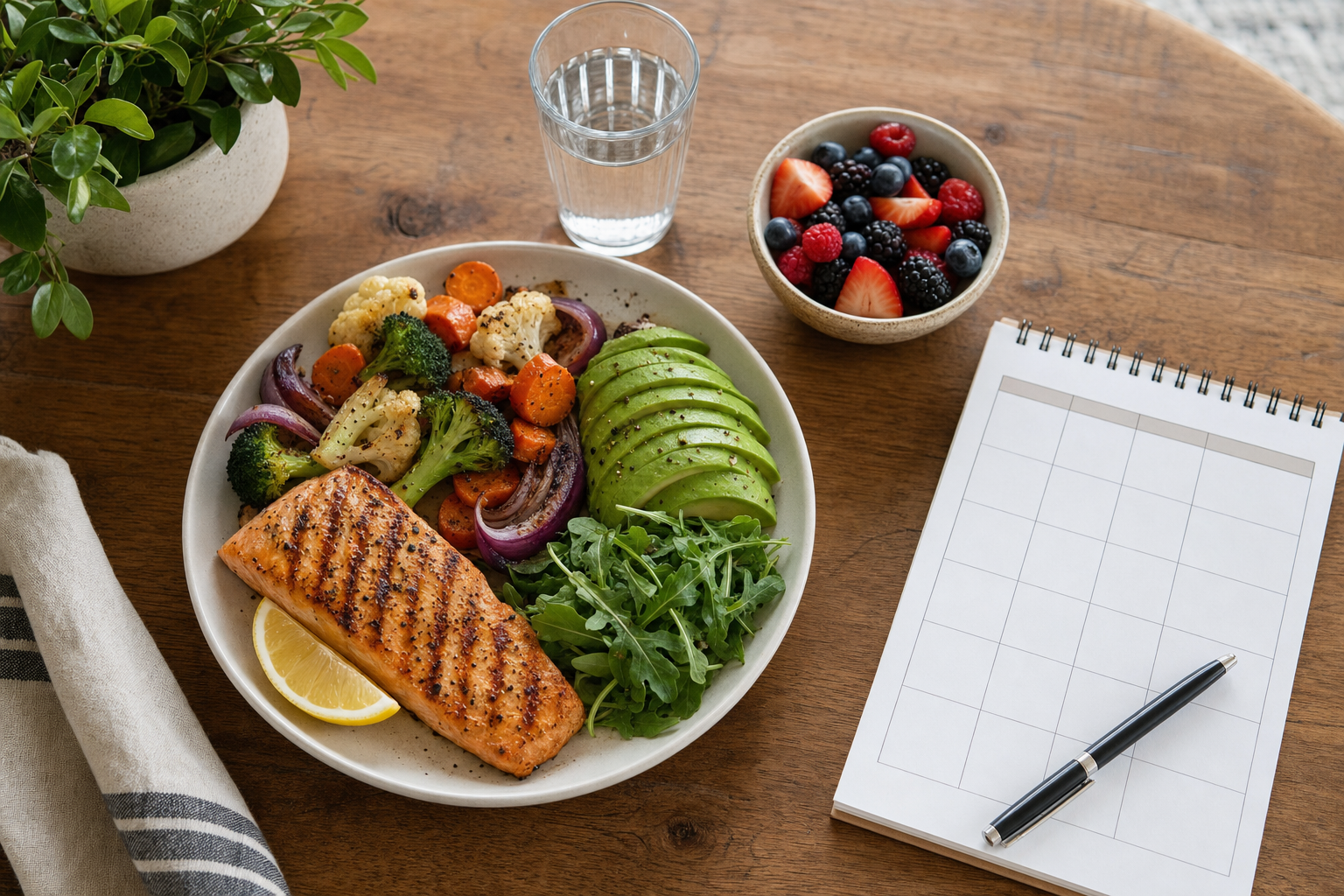
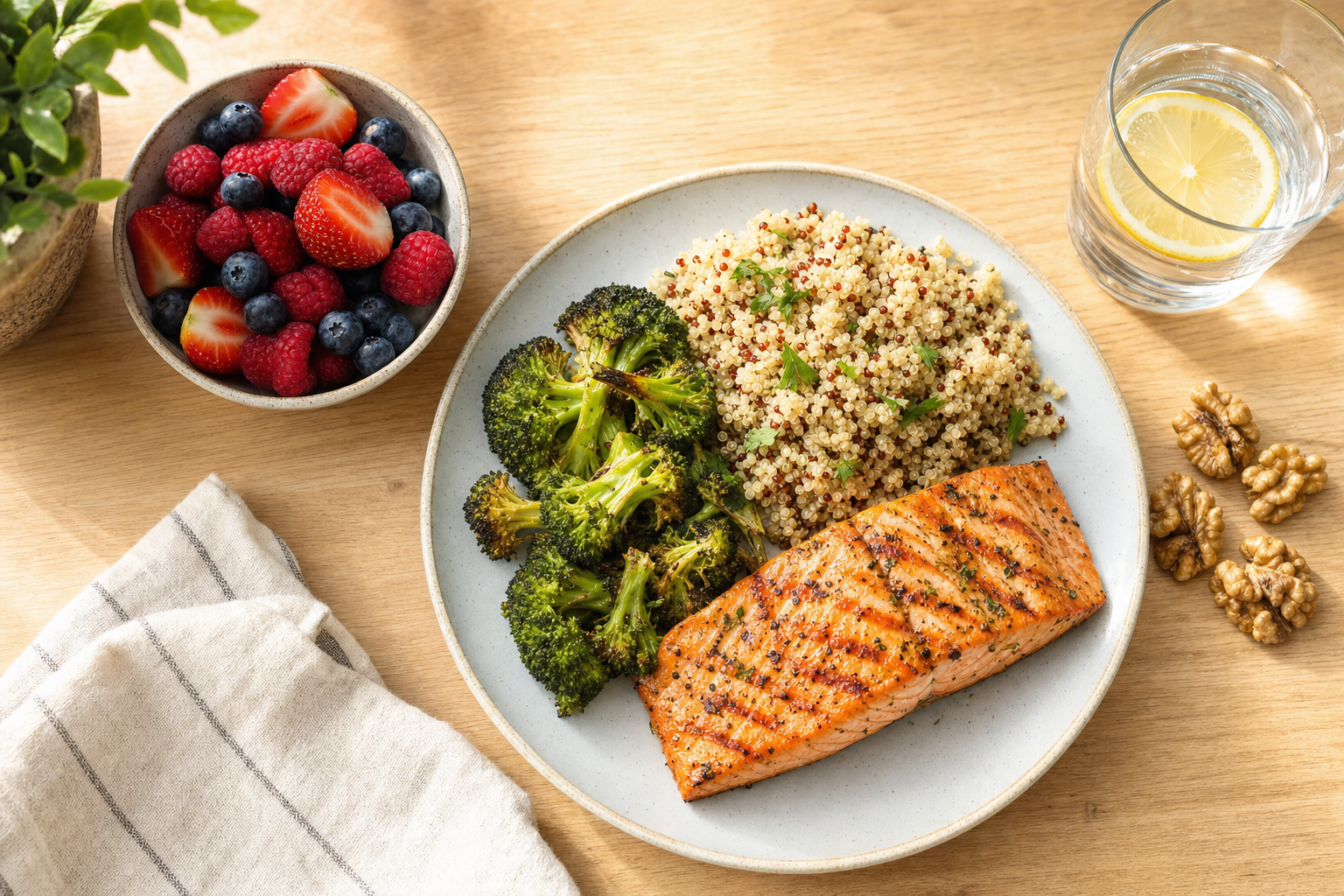
The foundation of hormone-smart fat loss during perimenopause is an anti-inflammatory nutrition approach that prioritizes real, whole foods, adequate protein, and fiber-rich carbohydrates while minimizing ultra-processed foods, refined sugars.
FreshStart30 provides a complete 30-day meal plan, 100+ anti-inflammatory recipes, and structured meal-planning guidance specifically designed for adults over 30 who are done with fad diets and calorie obsession. The FreshStart30 Hormone Reset for Women takes this further with a protocol tailored to the specific hormonal environment of women aged 30 to 50 — through nutrition and lifestyle strategies.
Key food priorities in our framework include:
- Protein at every meal: Supports muscle retention, reduces appetite, and stabilizes blood sugar — all critical during perimenopause.
- Non-starchy vegetables and fiber: Feed beneficial gut bacteria, slow glucose absorption, and reduce systemic inflammation.
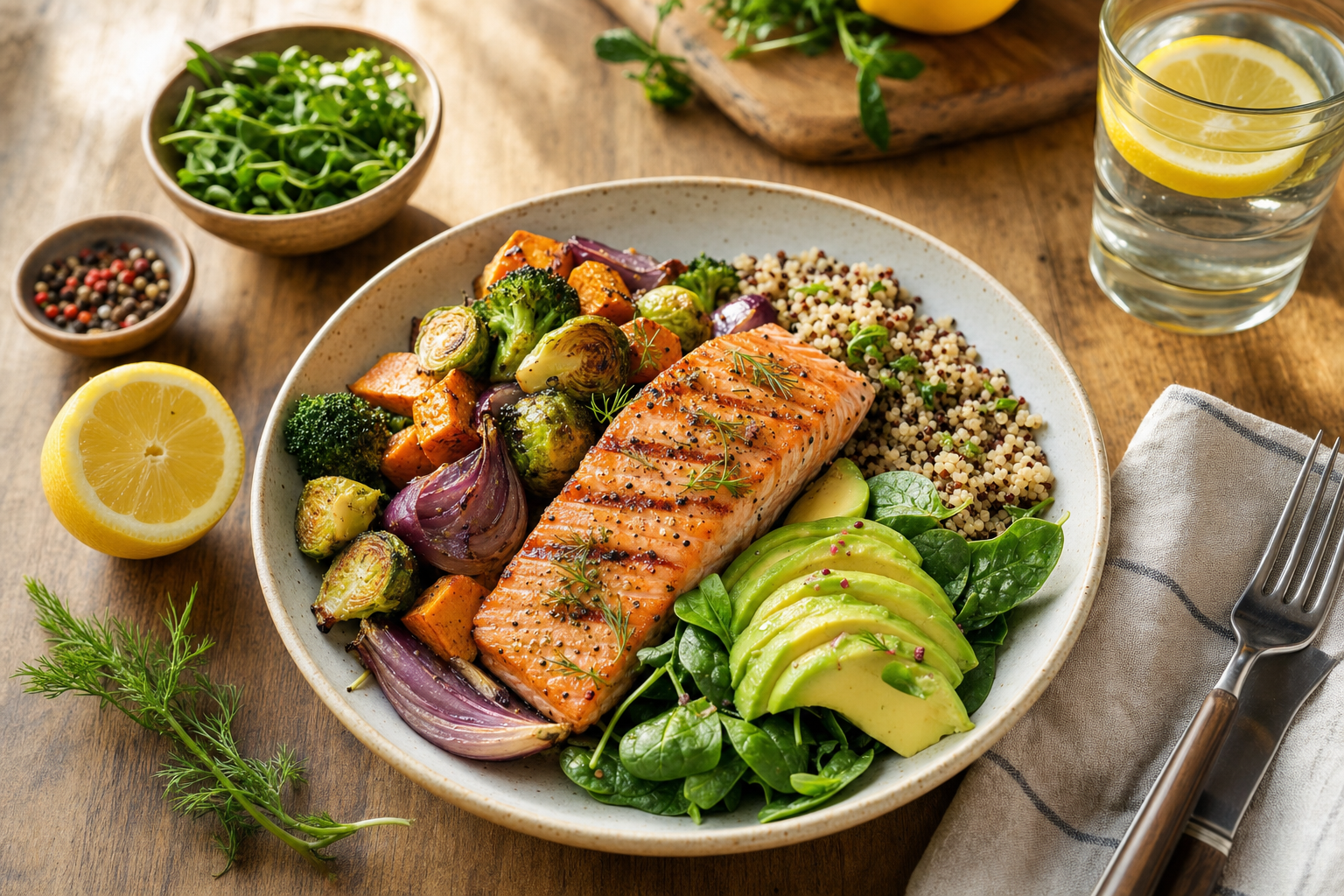
- Healthy fats: Avocado, olive oil, fatty fish, and nuts support hormone production and reduce inflammatory markers.
- Minimally processed carbohydrates: Legumes, sweet potatoes, oats, and whole grains provide sustained energy without the blood sugar spikes that worsen insulin resistance.
How to Build Meals That Support Energy, Appetite, and Metabolism
Meal structure matters as much as food choice during perimenopause. Skipping meals can leave you very hungry later in the day.
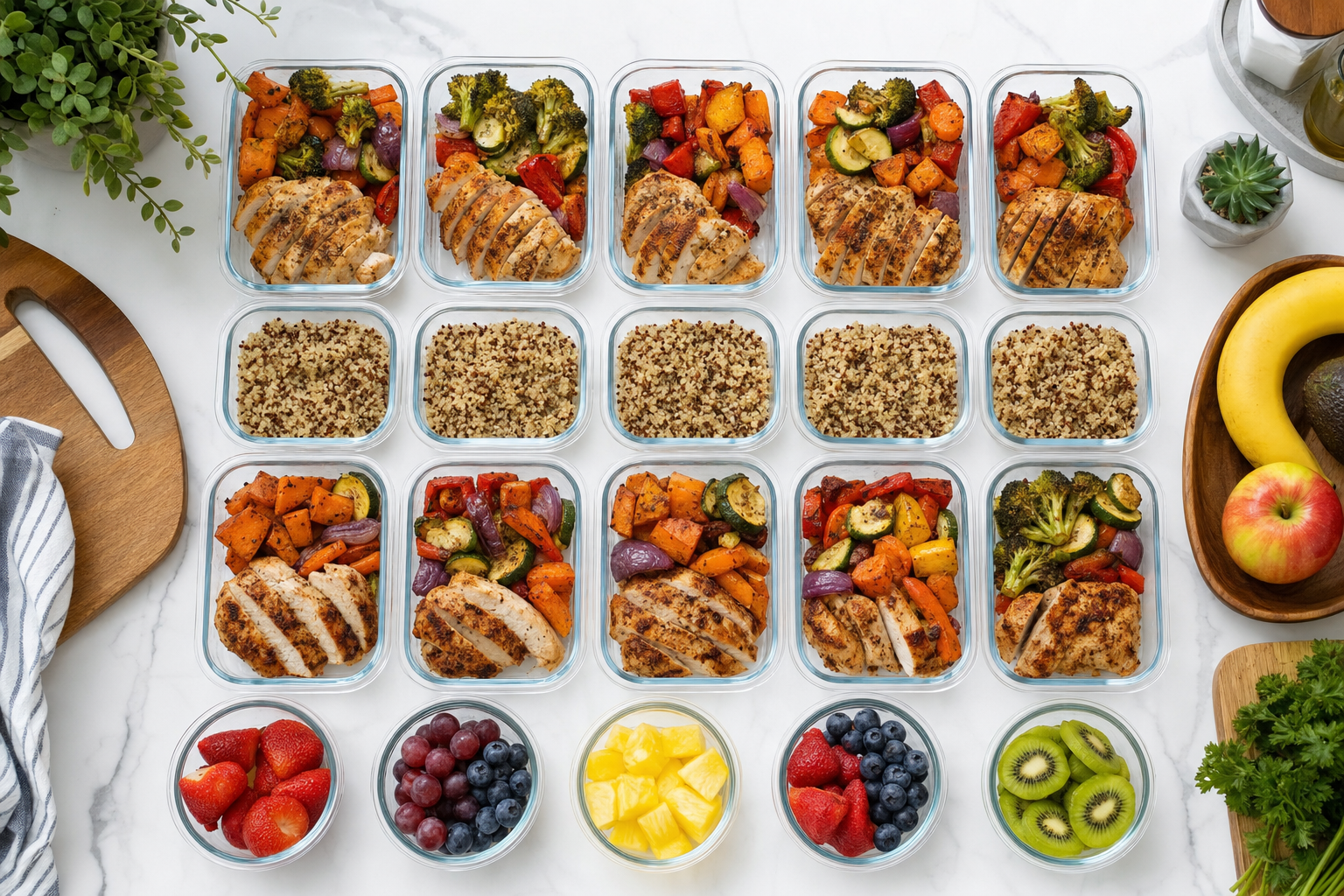
A practical meal-building framework for perimenopausal women looks like this: anchor each meal with a quality protein source (eggs, fish, legumes, poultry), add a generous portion of non-starchy vegetables, include a moderate serving of fiber-rich carbohydrates, and finish with a small amount of healthy fat. This combination can help you feel full for longer.
Most FreshStart30 recipes are designed to be ready in under 30 minutes and are family-friendly, so you’re not cooking separate meals or spending hours in the kitchen. The FreshStart30 Complete 30-Day Meal Plan takes the guesswork out of what to eat each day during your reset.
The Best Exercise and Daily Movement for Perimenopause Weight Loss
Exercise during perimenopause needs to be strategic. Rest days are part of a sustainable exercise routine. This doesn’t mean avoiding cardio; it means balancing it with the right types of movement.
Strength training is the single most important exercise modality for perimenopausal women. Building and preserving lean muscle mass directly increases resting metabolic rate, improves insulin sensitivity, and supports bone density — all of which decline during the perimenopausal transition. Two to three sessions per week of progressive resistance training is a well-supported starting point, according to the American College of Sports Medicine.
Daily low-intensity movement — walking, light cycling, yoga — complements strength training and adds to your weekly activity. Aiming for consistent daily movement, even 20 to 30 minutes of walking, adds up over time.
Sleep, Stress, and Cortisol: The Missing Weight-Loss Factors
If you’re eating well and exercising but still not seeing results, sleep and stress are the most likely missing pieces. During perimenopause, progesterone decline disrupts sleep architecture, making deep, restorative sleep harder to achieve. Not getting enough sleep is linked with a higher risk of obesity (CDC).
Chronic stress compounds this effect. Long-lasting stress can also affect appetite and food choices. Managing stress is not a soft lifestyle suggestion; it is a direct metabolic intervention.
Practical strategies that support sleep and stress management include consistent sleep and wake times, limiting caffeine after noon, reducing screen exposure in the hour before bed, and incorporating daily stress-reduction practices such as walking, breathwork, or gentle movement. The FreshStart30 framework integrates these habits into the 30-day reset because nutrition is only one part of the picture.

A Simple 30-Day Perimenopause Reset for Busy Women
FreshStart30 founder David Knox Vale built the FreshStart30 system after what he reports as his own 48-pound transformation in 90 days — and the framework he developed has since been refined specifically for the hormonal realities women face after 30. The FreshStart30 Hormone Reset for Women is a structured, 30-day protocol that combines anti-inflammatory nutrition, meal planning, habit formation, and lifestyle strategies into a single, manageable system.
The reset is designed for real life: meals are quick, ingredients are accessible, and the structure is flexible enough to work around family schedules, travel, and the unpredictability of perimenopausal symptoms. You don’t need to count calories, eliminate entire food groups, or follow a punishing exercise schedule. You need a clear framework that addresses the actual drivers of perimenopausal weight gain — and that’s exactly what we built.
The 30-day reset includes a complete meal plan, meal-planning guidance, 100+ anti-inflammatory recipes, and progress tracking tools.
When to Get Extra Support if Weight Loss Still Feels Stuck
If you’ve implemented consistent nutrition improvements, added strength training, prioritized sleep, and managed stress — and weight loss still feels completely stalled after several weeks — it may be time to consult your physician about additional evaluation. Thyroid dysfunction, polycystic ovary syndrome (PCOS), and significant insulin resistance can all create barriers to fat loss that require medical assessment and, in some cases, clinical intervention.
This is not a failure of effort or willpower. It is a signal that your body may need additional support beyond lifestyle changes alone. A physician can order relevant labs — thyroid panel, fasting insulin, HbA1c, sex hormone levels — that provide a clearer picture of what’s happening metabolically. The FreshStart30 framework is designed to complement, not replace, medical care. Always work with your healthcare provider as part of your overall approach.
Common Mistakes Women Over 30 Make During Perimenopause
- Relying on calorie counting alone: Calories matter, but hormone balance, food quality, and meal timing matter just as much during perimenopause. Counting calories without addressing insulin resistance rarely produces lasting results.
- Expecting overnight results: Hormonal recalibration takes time. The timing of noticeable changes varies from person to person.
- Skipping meals to “save” calories: Skipping meals can leave you very hungry later in the day.
- Ignoring sleep and stress: These are not lifestyle extras. They are primary metabolic levers. Neglecting them undermines every other effort.
- Comparing results to women in their 20s: The hormonal environment is fundamentally different after 30. Progress benchmarks need to reflect that reality.
- Jumping to supplements before fixing fundamentals: No supplement overcomes poor sleep, chronic stress, or a diet high in ultra-processed foods. Foundations first.
- Quitting before habits become automatic: Research on habit formation suggests that new behaviors typically require consistent repetition over several weeks before they feel automatic. Habit timing varies; practice consistently.
Frequently Asked Questions
When does perimenopause start, and can it really affect weight in your 30s?
Perimenopause can begin as early as the mid-30s for some women, though it more commonly starts in the early-to-mid 40s. The hormonal fluctuations — particularly in estrogen and progesterone — that characterize this transition can affect insulin sensitivity, cortisol regulation, and fat distribution well before periods stop, which is why weight changes in the late 30s and early 40s are often hormonally driven rather than purely lifestyle-related.
Why is belly fat so common during perimenopause?
Declining estrogen shifts fat storage patterns from the hips and thighs toward the abdomen, particularly visceral fat around the organs. Body-fat distribution often changes around menopause. Sleep, regular meals and activity are the parts of the routine this guide focuses on.
Is the FreshStart30 program suitable for women in perimenopause?
Yes. FreshStart30 offers a dedicated Hormone Reset for Women protocol designed specifically for women aged 30 to 50 navigating hormonal shifts including perimenopause. The framework addresses anti-inflammatory nutrition, meal structure, stress management, and habit formation — all factors that directly influence hormonal balance and metabolic function during this life stage.
Does FreshStart30 offer a money-back guarantee?
Yes. FreshStart30 is backed by a 60-day money-back guarantee. All membership plans are one-time payments with lifetime access — there are no recurring subscriptions. Plan options range from a free starter tier to Premium ($97), Elite ($297), and Complete ($397).
Can I lose weight during perimenopause without extreme dieting?
Yes, and extreme dieting is hard to sustain and can lead to muscle loss along with fat loss. A sustainable approach focused on anti-inflammatory nutrition, adequate protein, strength training, sleep, and stress management is more effective and more maintainable than severe calorie restriction. Individual results vary.
How important is strength training for perimenopausal weight loss?
Strength training is arguably the most important exercise modality for women in perimenopause. It preserves and builds lean muscle mass, which directly supports resting metabolic rate and insulin sensitivity — both of which decline during the perimenopausal transition. Two to three sessions per week of progressive resistance training is a well-supported starting point.
How long does it take to see results with a perimenopause-focused nutrition reset?
The timing of noticeable changes varies from person to person. Individual results vary based on starting hormonal status, consistency, sleep quality, and stress levels. FreshStart30 is designed as a 30-day reset with the expectation that sustainable results build over time, not overnight.
Update Log
- September 2026: Article published covering perimenopause weight loss after 30, including hormone-smart nutrition strategy, exercise guidance, cortisol and sleep factors, common mistakes, and the FreshStart30 Hormone Reset for Women framework. Outbound links verified against whitelist. Health disclaimer and FDA disclosure included.