Struggling with menopause weight gain after 45? Learn how hormone shifts affect fat loss, what to eat, and how the FreshStart30 framework supports a sustainable 30-day reset.
Menopause Weight Loss and Hormone Reset After 45
Menopause weight loss over 45 is one of the most misunderstood challenges women face — and one of the most common reasons women find the FreshStart30 framework. The hormonal shifts that begin in perimenopause and accelerate through menopause change how your body stores fat, responds to food, and recovers from exercise in ways that make the old rules of dieting nearly useless. Understanding what is actually happening — and what to do about it — is the first step toward real, lasting change.
Pricing, plan tiers, and program inclusions are accurate as of publication and may change. Individual results vary. Statements have not been evaluated by the FDA. FreshStart30 is not intended to diagnose, treat, cure, or prevent any disease.
The biology of menopause is real, and it deserves a real response — not another low-calorie plan designed for a 25-year-old. What follows is a practical breakdown of why weight changes happen after 45 and what actually works to address them.
Why Menopause Weight Gain Happens After 45
Most women in their mid-40s notice a shift that feels sudden but has been building for years. The perimenopause transition — which can begin as early as the late 30s — involves gradual changes in estrogen and progesterone that alter where and how the body stores fat. Estrogen plays a key role in directing fat storage toward the hips and thighs; as levels decline, fat redistribution toward the abdomen becomes more common. This is not a willpower failure. It is a physiological response to changing hormone signals.
At the same time, research from the Cleveland Clinic confirms that metabolic rate naturally slows with age, and muscle mass — the primary driver of resting calorie burn — tends to decline without deliberate effort to preserve it. The combination of hormonal change, muscle loss, and metabolic slowdown creates a perfect storm that makes the strategies that worked at 30 largely ineffective at 45.

The Hormone and Metabolism Shifts That Change Fat Loss
Estrogen decline is the headline, but it is not the only hormonal shift at play. Body-fat distribution often changes around menopause. Progesterone, which has a calming, sleep-supporting effect, also drops, contributing to the sleep disruption and anxiety many women experience during this transition.
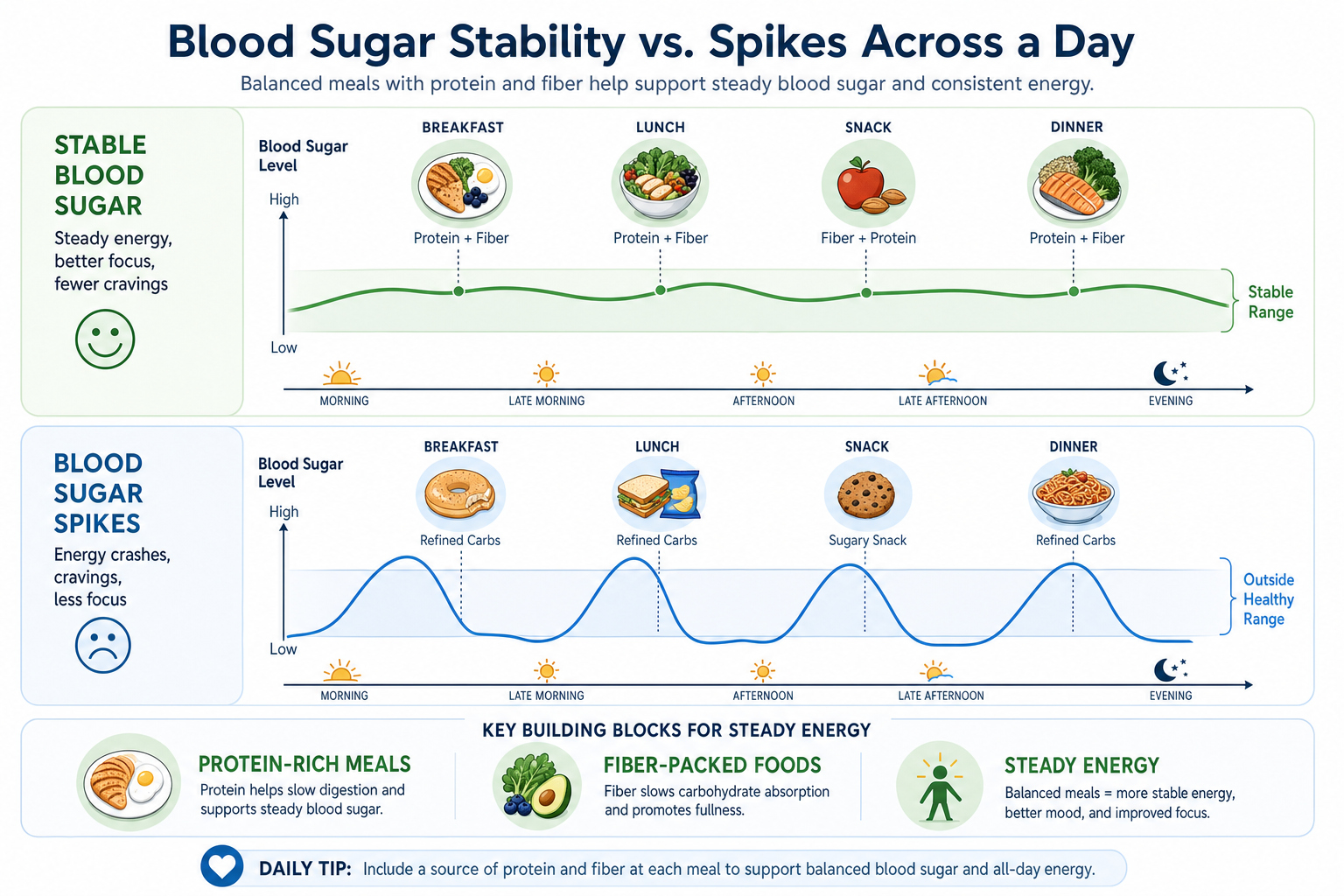
Insulin resistance is another critical factor. Insulin resistance — when cells become less responsive to insulin’s signal to absorb glucose — becomes more prevalent during and after menopause, making blood sugar spikes more frequent and fat burning harder to sustain. This is why women who eat the same foods they always have suddenly find themselves gaining weight: the metabolic context has changed.
At FreshStart30, our Hormone Reset for Women protocol was built specifically to address this cluster of changes — not by suppressing symptoms with supplements, but by using food timing, food quality, and structured habits to support the body’s own regulatory systems.
What to Eat for Menopause Weight Loss and Hormone Support
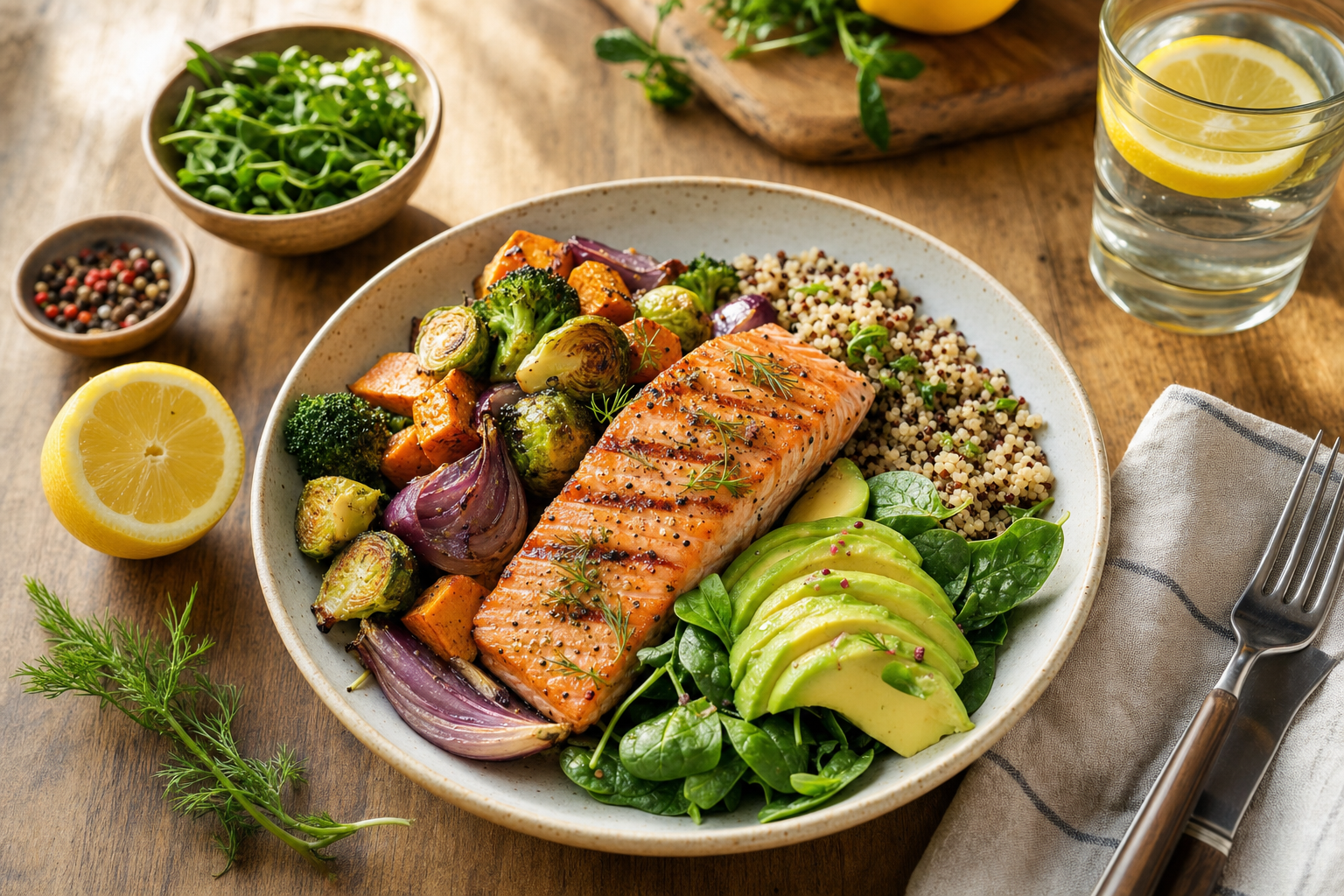
An anti-inflammatory, whole-food approach is the nutritional foundation that consistently supports menopause weight loss over 45. Harvard Health identifies anti-inflammatory foods — including leafy greens, berries, fatty fish, olive oil, and nuts — as key to reducing chronic low-grade inflammation, which is elevated during the menopausal transition and contributes to metabolic dysfunction.
For meal ideas and routines during perimenopause, read the FreshStart30 guide for women after 40.
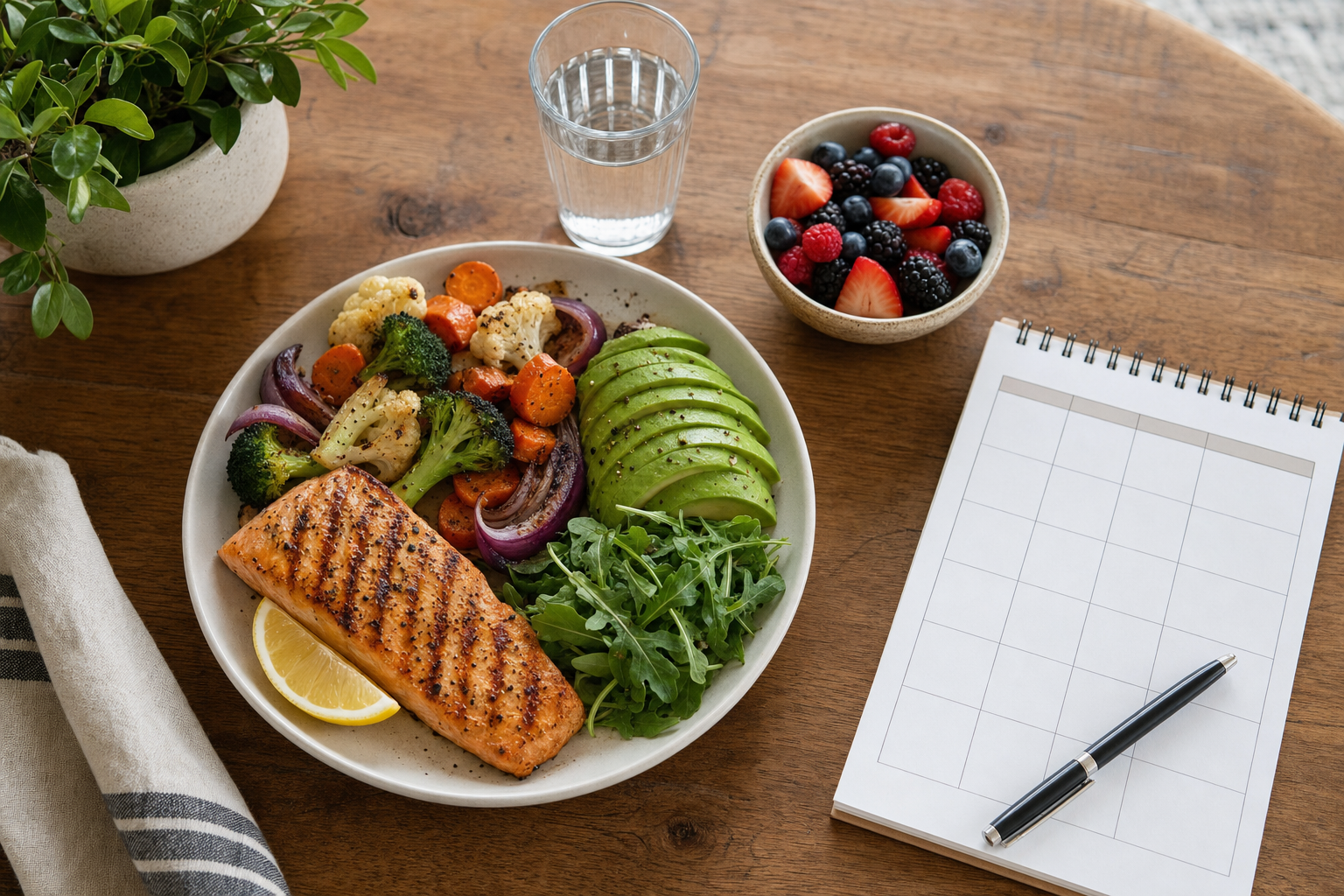
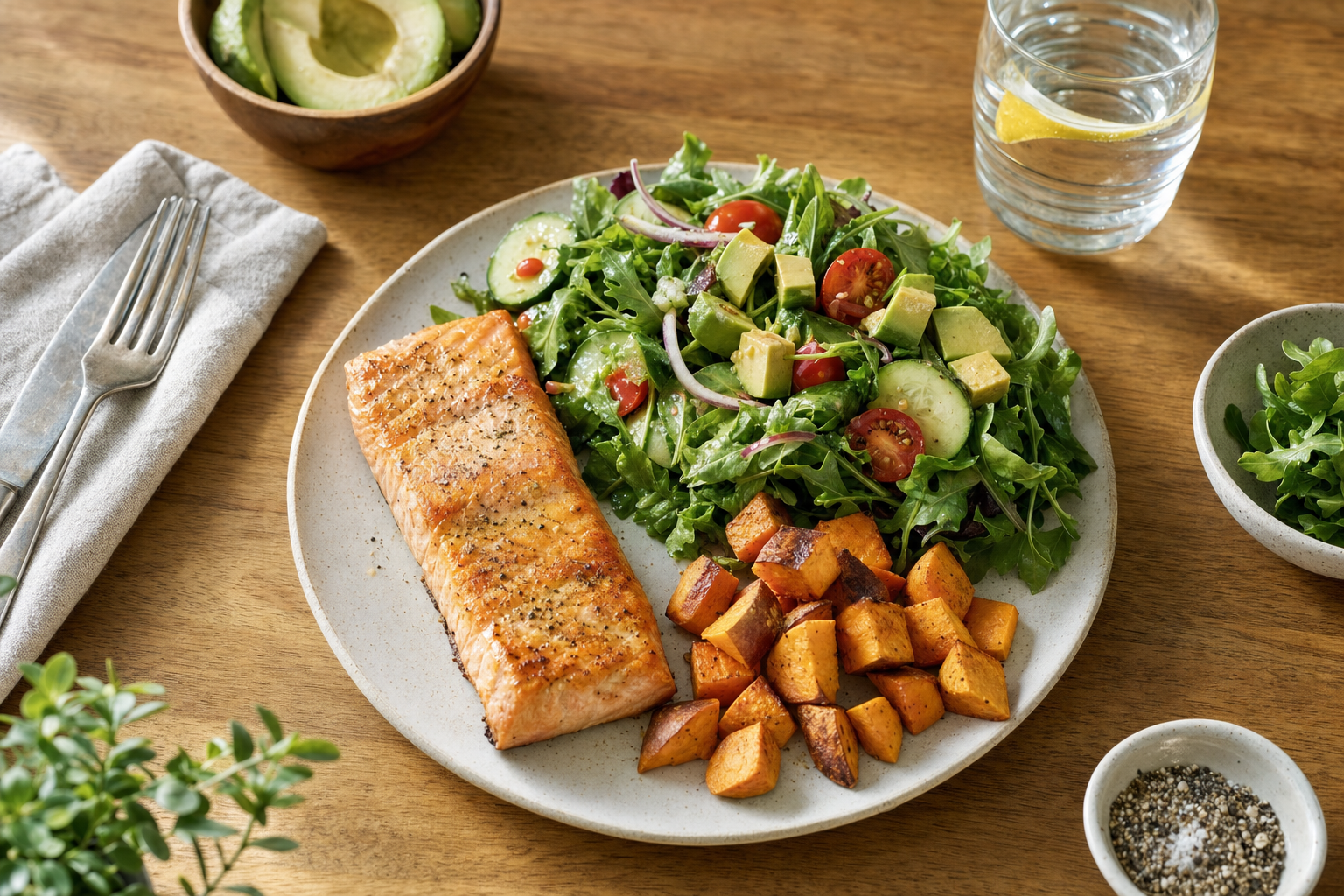
Foods to prioritize include: fatty fish (salmon, sardines, mackerel), cruciferous vegetables (broccoli, cauliflower, Brussels sprouts), colorful produce, legumes, whole grains, and healthy fats from avocado and olive oil. Foods to minimize include ultra-processed snacks, refined carbohydrates, added sugars, and alcohol — all of which amplify insulin resistance and inflammatory signaling.
How Protein, Fiber, and Blood Sugar Balance Reduce Cravings
Two nutrients are consistently underused by women trying to lose weight during menopause: protein and fiber. Adequate protein intake supports muscle maintenance and satiety. Protein needs vary with body size, activity and health; a registered dietitian or clinician can advise on an individual amount. Fiber slows glucose absorption, feeds beneficial gut bacteria, and extends the feeling of fullness after meals.
Together, protein and fiber are the most practical tools for flattening the blood sugar curve that drives cravings, energy crashes, and overeating in the afternoon and evening. Regular meals can help you avoid getting very hungry.
The Best Exercise and Recovery Plan for Women Over 45
Cardio alone is not the answer for menopause belly fat loss. While cardiovascular activity supports heart health and mood, strength training is the primary tool for preserving and rebuilding the muscle mass that drives metabolic rate. The American College of Sports Medicine recommends resistance training at least two days per week for adults, and for women over 45, this is especially important given the accelerated muscle loss that accompanies estrogen decline.
Recovery is equally important. Rest days are part of a sustainable exercise routine. A sustainable plan for women over 45 typically includes two to three strength sessions per week, daily low-intensity movement (walking, yoga, stretching), and deliberate rest days.

Daily Habits That Improve Sleep, Stress, and Belly Fat Loss
Sleep disruption is one of the most underappreciated drivers of menopause weight gain. Not getting enough sleep is linked with a higher risk of obesity (CDC). The CDC identifies consistent, quality sleep as a foundational component of healthy weight management.
Practical habits that support sleep and stress regulation during menopause include: a consistent sleep and wake time, limiting screens and bright light after 8pm, a wind-down routine of 20 to 30 minutes, reducing caffeine after noon, and incorporating stress-reduction practices such as slow breathing, gentle movement, or journaling. These are not luxuries — they are metabolic levers.
Common Menopause Weight Loss Mistakes That Keep Women Stuck
Many women over 45 are working hard and still not seeing results — often because the strategies they are using were designed for a different hormonal environment. Here are the most common mistakes:
- Relying on calorie restriction alone. Cutting calories without addressing food quality, protein intake, and blood sugar balance rarely produces lasting results after 45 — and often accelerates muscle loss.
- Skipping meals. Skipping meals can leave you very hungry later in the day.
- Ignoring sleep and stress. Treating sleep as optional while focusing only on food and exercise misses two of the most powerful metabolic levers available.
- Comparing results to younger women or to their own younger selves. The hormonal context is genuinely different. Progress may be slower and look different — that does not mean it is not happening.
- Jumping to supplements or extreme protocols. No supplement replaces the foundational work of food quality, movement, sleep, and stress management. Extreme restriction is hard to sustain and can lead to muscle loss along with fat loss.
- Quitting before habits become automatic. Habit timing varies; practice consistently.
- Following fad diets designed for general audiences. Generic diet plans rarely account for the specific hormonal, metabolic, and recovery needs of women over 45.
A Simple 30-Day Menopause Reset Plan You Can Actually Follow
FreshStart30 founder David Knox Vale built the FreshStart30 framework after what he reports as his own 48-pound transformation in 90 days — and recognized that the same structured, habit-based, anti-inflammatory approach that worked for him needed a women-specific adaptation for the hormonal realities of perimenopause and menopause. FreshStart30 also publishes meal-planning and movement guidance for women after 40.
At FreshStart30, we designed the 30-day reset to work in four progressive phases: stabilize blood sugar in week one, introduce anti-inflammatory foods and protein targets in week two, layer in movement and recovery habits in week three, and consolidate the full system into sustainable daily rhythms by week four. Each phase builds on the last, so the habits that feel effortful in week one become automatic by week four.
See Compare Plans for current pricing and the meal plans, recipes, and course materials included with each membership.
Frequently Asked Questions
Why is it so hard to lose weight during menopause?
Long-lasting stress can make regular meals, sleep and activity harder to keep up. Strategies that worked before menopause — particularly calorie restriction alone — are often ineffective because they do not address these underlying hormonal and metabolic shifts.
What foods help with menopause belly fat loss?
Anti-inflammatory whole foods — including fatty fish, leafy greens, berries, legumes, cruciferous vegetables, and healthy fats from olive oil and avocado — support hormone balance and reduce the chronic inflammation that worsens metabolic dysfunction during menopause. Minimizing refined carbohydrates, added sugars, and ultra-processed foods is equally important for blood sugar stability.
How much protein do women over 45 need for weight loss?
Protein needs vary with body size, activity and health. Total daily protein needs vary by body weight and activity level — a qualified healthcare provider or registered dietitian can help you determine your individual target.
Does the FreshStart30 program work for women in perimenopause?
Yes. The FreshStart30 Hormone Reset for Women is designed specifically for women aged 30 to 50, including those in perimenopause. It addresses blood sugar balance, anti-inflammatory nutrition, and hormone-supportive habits in a structured 30-day framework. Individual results vary, and we recommend consulting your physician before starting any new program.
What is the FreshStart30 money-back guarantee?
FreshStart30 offers a 60-day money-back guarantee on all paid membership plans. If you are not satisfied within 60 days of purchase, you can contact support@freshstart30.com for a full refund. All plans are one-time payments with lifetime access — no subscriptions or recurring charges.
Is strength training safe for women over 45 with joint pain?
Resistance training is generally beneficial for women over 45, including those with mild joint discomfort, but the appropriate type and intensity should be determined with your physician or a qualified fitness professional. Low-impact options such as resistance bands, bodyweight exercises, and water-based resistance training can be effective starting points.
How long does it take to see results with a menopause reset?
Individual results vary significantly based on starting point, consistency, sleep quality, stress levels, and underlying health conditions. The timing of noticeable changes varies from person to person. Visible body composition changes typically take longer and depend on multiple factors. FreshStart30 is designed as a 30-day foundation, not a quick fix.
Update Log
- September 2026: Article published covering menopause weight loss over 45, hormone reset strategies, anti-inflammatory nutrition, exercise and recovery guidance, and the FreshStart30 Hormone Reset for Women framework.