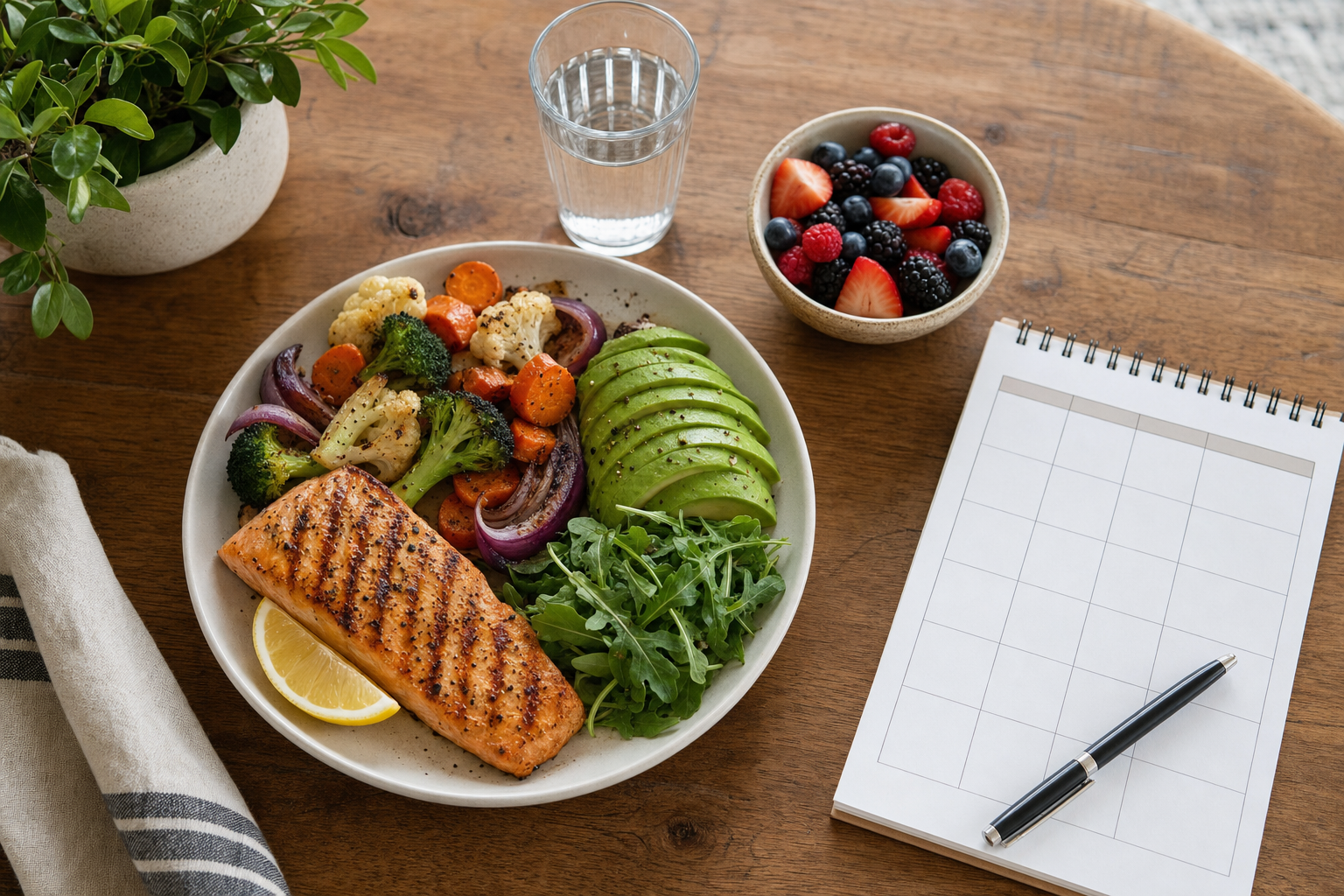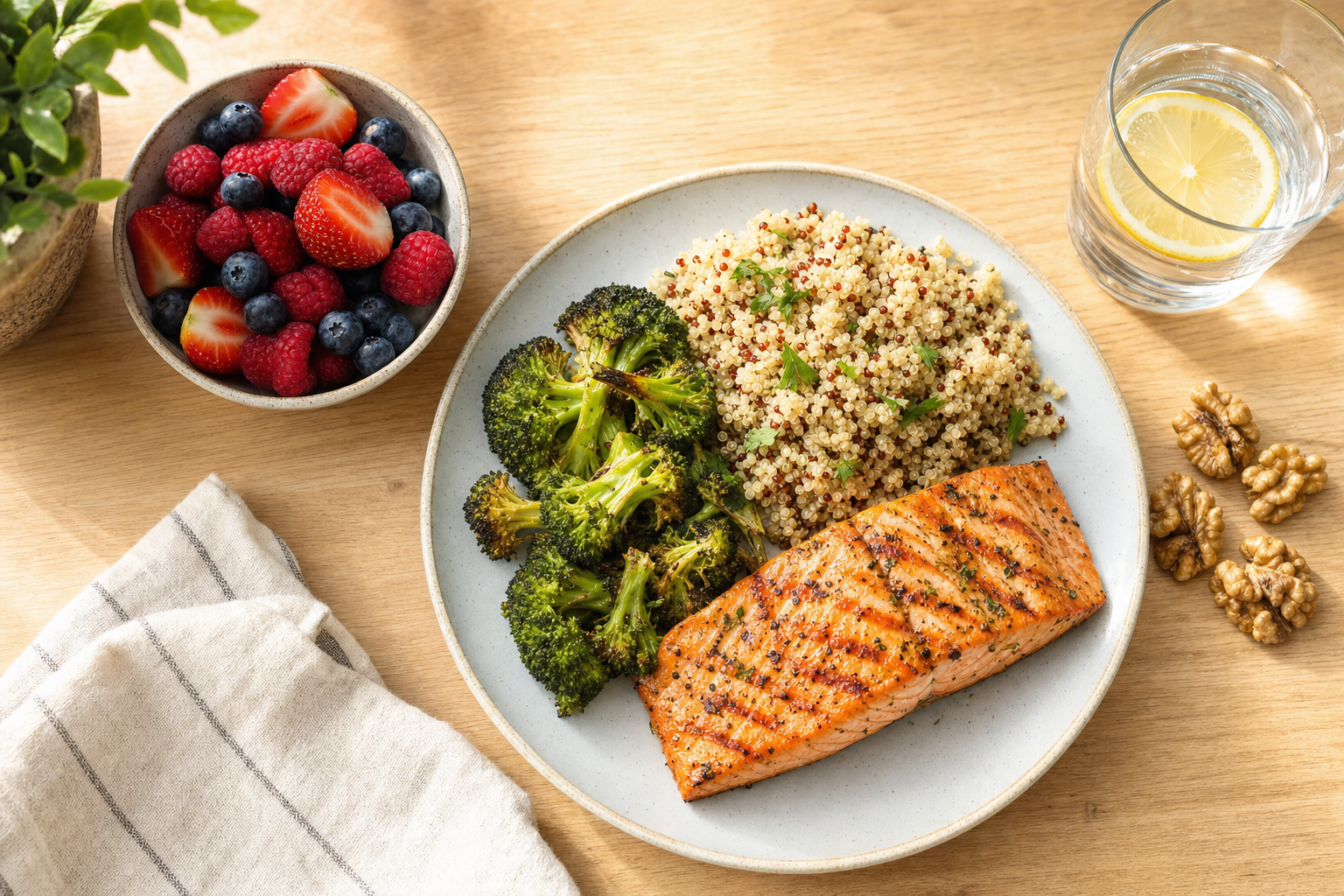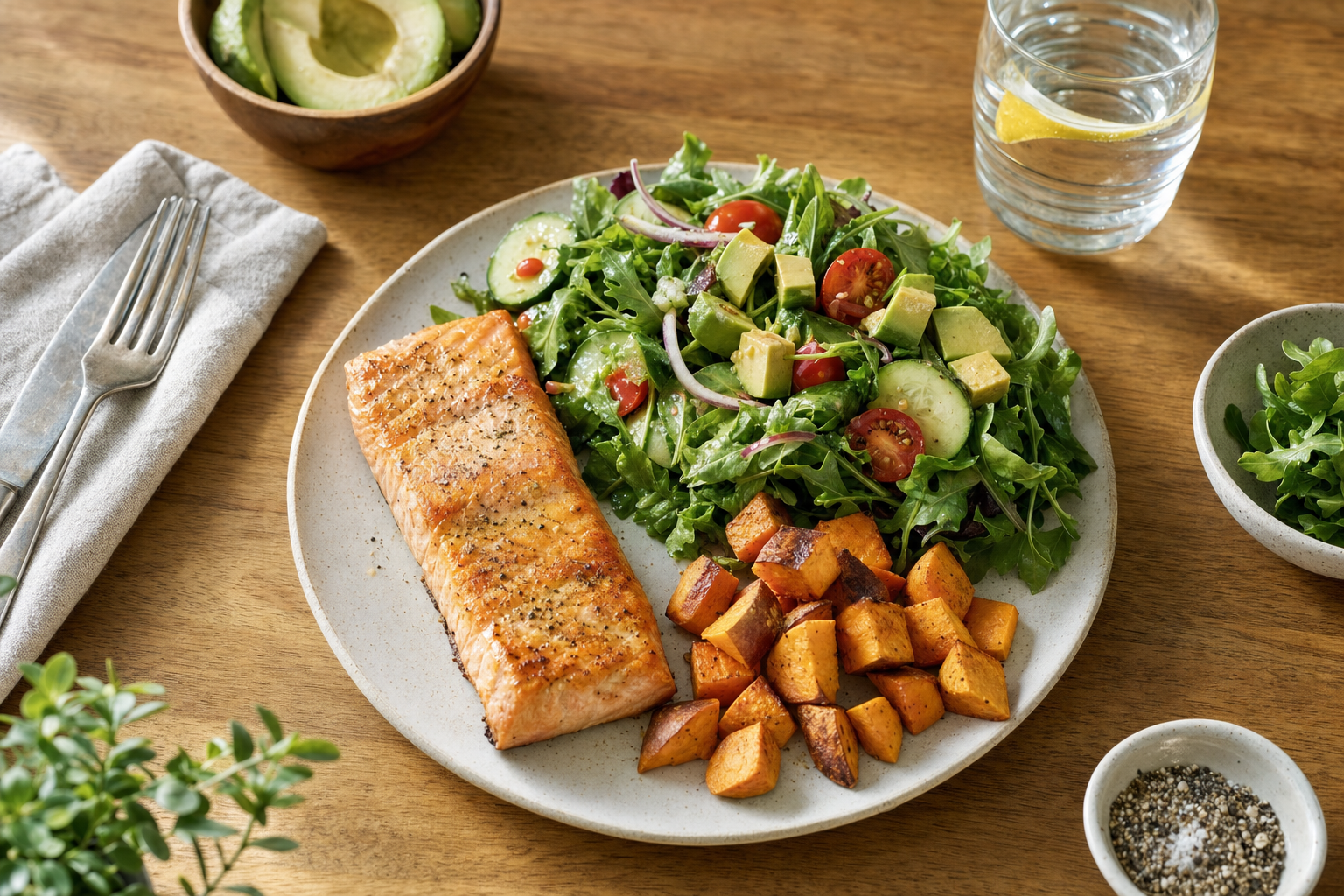
A practical weight loss meal plan after 30 for busy professionals — anti-inflammatory, metabolism-friendly, and built around real food. No calorie counting required.
Weight Loss Meal Plan After 30 for Busy Professionals
A sustainable weight loss meal plan after 30 for busy professionals looks very different from the calorie-cutting approaches that may have worked in your twenties — and for good reason. After 30, metabolism, hormones, and stress responses all shift in ways that make generic diet advice ineffective. At FreshStart30, we built the 30-day metabolic reset specifically to address these changes with real food, practical structure, and zero extreme restriction.
Pricing, plan tiers, and program inclusions are accurate as of publication and may change. Individual results vary. Statements have not been evaluated by the FDA. FreshStart30 is not intended to diagnose, treat, cure, or prevent any disease.
The nutrition science around adults over 30 is clear: metabolic rate, insulin sensitivity, and hormonal balance all shift in ways that make the old “eat less, move more” formula increasingly unreliable. Research from the Cleveland Clinic confirms that losing weight becomes more complex with age due to changes in muscle mass, hormones, and metabolic efficiency. The good news is that a well-structured meal plan — one built around the right foods in the right patterns — can work with your biology rather than against it.
Why Meal Planning Changes After 30
In your twenties, a short-term calorie deficit often produced quick results. After 30, that same approach tends to trigger fatigue, muscle loss, and rebound weight gain. Several biological shifts are responsible. Muscle mass begins to decline gradually, which lowers resting metabolic rate. Insulin sensitivity can decrease, meaning blood sugar swings become more pronounced and fat storage more efficient. Long-lasting stress can make regular meals, sleep and activity harder to keep up.
For busy professionals, these changes are compounded by irregular eating schedules, high-stress workdays, poor sleep, and the temptation to skip meals when time is short. A meal plan designed for this reality needs to be fast to execute, forgiving of imperfect days, and structured around foods that actively support metabolic function rather than just reducing calories.
The Mayo Clinic explains that metabolism is influenced by muscle mass, activity level, age, and the thermic effect of food — all factors a well-designed meal plan can address directly.

Core Nutrition Principles That Make This Plan Work
The FreshStart30 30-day metabolic reset is built on four nutrition principles that are especially relevant for adults over 30 with demanding schedules.
- Protein at every meal: Adequate protein preserves muscle mass, increases satiety, and has a higher thermic effect than carbohydrates or fat — meaning your body burns more energy digesting it. Aim for a palm-sized portion of quality protein at breakfast, lunch, and dinner.
- Fiber as a blood sugar anchor: Vegetables, legumes, and whole grains slow glucose absorption, preventing the energy crashes that lead to afternoon snacking and poor food choices. Two to three cups of non-starchy vegetables per day is a practical starting point.
- Anti-inflammatory whole foods: Chronic low-grade inflammation is increasingly linked to metabolic dysfunction. Harvard Health identifies foods like leafy greens, berries, olive oil, fatty fish, and nuts as key anti-inflammatory staples.
- Consistent meal timing: Eating at roughly the same times each day can help you avoid getting very hungry — a particular issue for professionals who skip lunch and then overeat at dinner.
A Simple 7-Day Weight Loss Meal Plan
The following framework is designed to be repeated, rotated, and simplified — not followed with rigid perfection. Every meal follows the plate formula above and uses ingredients that overlap across multiple meals to reduce prep time.
Monday through Friday pattern:
- Breakfast: Greek yogurt with berries and a handful of walnuts, or two eggs with sautéed spinach and half an avocado on one slice of whole-grain toast.
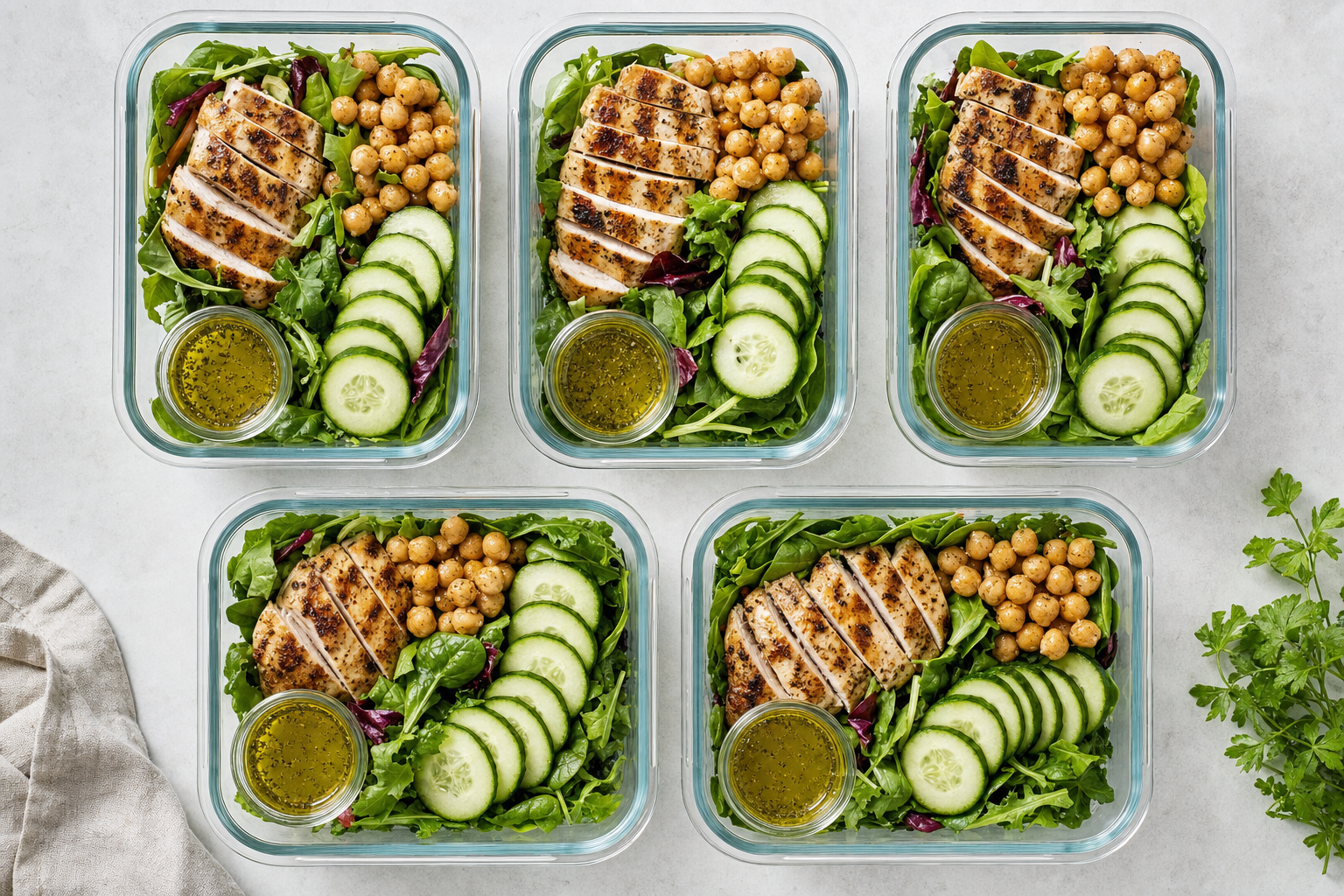
- Lunch: Large leafy green salad with grilled chicken or canned salmon, chickpeas, cucumber, olive oil, and lemon. Prep in batches on Sunday.
- Dinner: Sheet-pan salmon or chicken thighs with roasted broccoli and sweet potato. Most FreshStart30 dinner recipes are under 30 minutes.
- Snack (if needed): Apple with almond butter, or a small handful of mixed nuts with a hard-boiled egg.
Weekend pattern: Use Saturday for a slightly more relaxed approach — a cooked breakfast with eggs and vegetables, a simple grain bowl for lunch, and a family-friendly dinner like turkey meatballs with zucchini noodles and marinara. Sunday is prep day.
Fast Breakfast, Lunch, Dinner, and Snack Formulas
Rather than memorizing recipes, busy professionals do better with repeatable formulas they can execute on autopilot. Here are the four core formulas used in the FreshStart30 framework:
- Breakfast formula: Protein source + healthy fat + low-sugar fruit or vegetable. Examples: eggs + avocado + spinach; Greek yogurt + walnuts + blueberries; protein smoothie with greens, frozen berries, and nut butter.
- Lunch formula: Leafy base + protein + fiber-rich topping + olive oil dressing. Prep the base and protein in bulk on Sunday so lunch takes under five minutes to assemble.
- Dinner formula: Protein + two vegetables (one roasted, one raw or steamed) + optional slow carb. Sheet-pan meals and one-pot dishes are the most time-efficient execution.
- Snack formula: Protein or fat + fiber. This combination prevents blood sugar spikes and keeps hunger stable between meals.
How to Meal Prep in Under 90 Minutes
If you have never run a prep session before, our meal prep for beginners guide covers the three prep levels and a simple Sunday routine you can compress to fit a packed work week.
The single biggest barrier to consistent healthy eating for busy professionals is not motivation — it is friction. When healthy food requires 45 minutes of preparation on a Tuesday night after a long workday, most people default to whatever is fastest. A 90-minute Sunday prep session eliminates that friction for the entire week.
Here is a practical prep sequence:
- Minutes 0–20: Roast two sheet pans of vegetables (broccoli, sweet potato, zucchini, bell pepper) at 400°F while you do everything else.
- Minutes 20–40: Cook a large batch of protein — baked chicken thighs, hard-boiled eggs, or canned salmon portioned into containers.
- Minutes 40–60: Wash and chop salad greens, portion into containers, and prepare a simple olive oil and lemon dressing in a jar.
- Minutes 60–80: Cook a batch of slow-digesting carbohydrate if desired — quinoa, brown rice, or lentils.
- Minutes 80–90: Portion snacks into grab-and-go containers: nuts, cut fruit, hard-boiled eggs, individual nut butter packets.
With this system in place, weekday meals become assembly rather than cooking — a critical distinction for professionals with unpredictable schedules.

Best Foods for Metabolism, Satiety, and Blood Sugar
At FreshStart30, our complete 30-day meal plan is built around a core list of foods that consistently support metabolic function, reduce inflammation, and keep hunger stable. These are not exotic or expensive — they are practical staples available at any grocery store.
- Fatty fish (salmon, sardines, mackerel): Rich in omega-3 fatty acids that reduce inflammation and support hormonal balance.
- Leafy greens (spinach, kale, arugula): High in fiber, magnesium, and micronutrients that support insulin sensitivity.
- Eggs: One of the most satiating breakfast proteins available, with a complete amino acid profile.
- Legumes (lentils, chickpeas, black beans): High in both protein and fiber, making them exceptional blood sugar stabilizers.
- Berries: Low glycemic index, high in antioxidants, and one of the most anti-inflammatory fruits available.
- Olive oil: The primary fat in the FreshStart30 framework — anti-inflammatory and supportive of cardiovascular health.
- Sweet potato: A slow-digesting carbohydrate that provides sustained energy without sharp blood sugar spikes.
- Greek yogurt (plain, full-fat): High protein, probiotic-rich, and far more satiating than low-fat flavored alternatives.
The USDA Dietary Guidelines consistently emphasize vegetables, lean proteins, legumes, and whole grains as the foundation of a health-supporting eating pattern — consistent with the FreshStart30 approach.
Common Meal-Planning Mistakes That Stall Fat Loss After 30
Even well-intentioned professionals make predictable mistakes when trying to lose weight after 30. Recognizing these patterns is the first step to avoiding them.
- Relying on calorie counting alone: Calories matter, but food quality, meal timing, and macronutrient balance matter more after 30. A 400-calorie meal of processed crackers and a 400-calorie meal of salmon and vegetables produce very different hormonal and metabolic responses.
- Skipping breakfast to “save calories”: This can leave you very hungry later in the day — the opposite of the intended effect.
- Expecting results in the first two weeks: Metabolic adaptation takes time. Habit timing varies; practice consistently.
- Falling for fad diets: Mayo Clinic’s guidance on choosing a diet notes that diets which leave you feeling deprived are hard to keep up, and that lost weight tends to return when you go back to old habits.
- Ignoring sleep and stress: Not getting enough sleep is linked with a higher risk of obesity (CDC). Long-lasting stress can also affect appetite and food choices. No meal plan fully compensates for chronically poor sleep or unmanaged stress.
- Comparing progress to people in their twenties: Adults over 30 often lose fat more slowly and in different patterns than younger adults. This is normal physiology, not failure.
- Jumping to supplements: No supplement replaces consistent, structured nutrition. The FreshStart30 framework is built on food-first principles — supplements are not part of the core protocol.
How to Adapt the Plan for Women, Men, Travel, and Long Workdays
FreshStart30 founder David Knox Vale designed the system to be adaptable — because real life rarely follows a clean weekly schedule. Here is how to flex the framework without abandoning it.
- For women 30–50: Hormonal fluctuations across the menstrual cycle and perimenopause can affect hunger, energy, and water retention. The FreshStart30 Hormone Reset for Women addresses these patterns specifically, with meal timing and food choices calibrated to hormonal phases. The Office on Women’s Health confirms that hormonal changes significantly affect weight management strategies for women in this age range.
- For men 30–50: Declining testosterone after 30 affects muscle retention and fat distribution. Prioritizing protein, resistance-friendly nutrition, and sleep quality are the key levers. The FreshStart30 Testosterone Reset for Men Over 30 addresses this directly.
- For travel days: Use the snack formula (protein + fiber) as your anchor. Pack nuts, individual nut butter packets, and protein bars with clean ingredient lists. At restaurants, default to the dinner formula: protein + vegetables + minimal processed carbohydrate.
- For 10+ hour workdays: Prepare two meals the night before. A prepped lunch and a simple dinner that reheats in under five minutes removes all decision fatigue from the equation on your hardest days.
The FreshStart30 system includes family-friendly meals and a 30-day meal plan that accounts for real-world variability — not just ideal-week scenarios.
Frequently Asked Questions
Why is it harder to lose weight with a meal plan after 30?
After 30, gradual muscle loss lowers resting metabolic rate, insulin sensitivity can decrease, and hormonal shifts affect fat storage patterns — particularly around the midsection. A meal plan that worked in your twenties may produce little response after 30 because it doesn’t address these underlying metabolic changes. Prioritizing protein, fiber, and anti-inflammatory foods at consistent meal times is more effective than simple calorie restriction at this life stage.
How much protein should I eat per meal on a weight loss meal plan after 30?
A practical starting point is a palm-sized portion of quality protein at each main meal; protein needs vary with body size, activity and health. Protein preserves muscle mass during fat loss, increases satiety, and has a higher thermic effect than carbohydrates or fat. Breakfast is the meal most commonly under-served in protein for busy professionals.
Can I follow this meal plan if I don’t have time to cook every night?
Yes — the FreshStart30 framework is specifically designed for busy professionals. A 90-minute Sunday prep session covers the majority of weekday meals through batch cooking and simple assembly. Most FreshStart30 dinner recipes are under 30 minutes, and the system includes family-friendly options that work for the whole household.
Should I count calories on a weight loss meal plan for busy professionals?
The FreshStart30 approach does not require calorie counting. Instead, the system uses a simple plate formula — half non-starchy vegetables, one quarter protein, one quarter slow-digesting carbohydrate, plus healthy fat — that naturally creates a sustainable calorie range without tracking. Food quality and meal structure produce more consistent results after 30 than calorie math alone.
Is FreshStart30 suitable for women going through perimenopause?
Yes. FreshStart30 offers a dedicated Hormone Reset for Women protocol designed specifically for women aged 30 to 50, addressing the hormonal shifts of perimenopause that affect weight, energy, and metabolism. The core 30-day meal plan is also hormone-friendly, emphasizing anti-inflammatory foods, blood sugar stability, and adequate protein.
What is the FreshStart30 money-back guarantee?
FreshStart30 is backed by a 60-day money-back guarantee. See the Refund Policy for current terms. All membership plans are one-time payments with lifetime access — there are no recurring subscriptions.
How is FreshStart30 different from other meal plans for weight loss?
FreshStart30 is built specifically for adults over 30 whose metabolism, hormones, and lifestyle differ significantly from younger adults. Rather than generic calorie targets or extreme restriction, the system uses a 30-day metabolic reset framework grounded in anti-inflammatory nutrition, blood sugar balance, and sustainable habit formation. It includes a complete meal plan, 100+ recipes, meal-planning guidance, and progress tracking — all with one-time pricing and no subscription.
Update Log
- September 2026: Article published with 7-day meal plan framework, 90-minute prep guide, and adaptation strategies for women, men, travel, and long workdays. Outbound links verified against FreshStart30 whitelist.

You May Also Like