Stuck in a yo-yo diet cycle after 30? Learn why weight cycling gets harder with age, what it does to your metabolism, and how to recover sustainably with the FreshStart30 framework.
Yo-Yo Diet Recovery After 30
Yo-yo diet recovery after 30 is harder than most programs admit — and if you have lost and regained the same weight more than once, you are not failing willpower, you are fighting biology. The FreshStart30 framework was built specifically to address the metabolic, hormonal, and behavioral patterns that trap adults 30+ in the lose-gain cycle. This guide explains what is actually happening in your body and what to do about it.
Weight cycling — losing weight, regaining it, and repeating the process — is one of the most common and least-discussed struggles for adults over 30. Research from the Cleveland Clinic confirms that metabolic rate naturally slows with age, and repeated dieting compounds that slowdown. Understanding the biology behind the cycle is the first step to escaping it.
Why Yo-Yo Dieting Gets Harder After 30
After 30, several biological shifts converge to make the lose-gain cycle more punishing with each repetition. Muscle mass begins to decline (a process called sarcopenia), resting metabolic rate drops, and hormones that regulate appetite and fat storage become less predictable. Each crash diet accelerates muscle loss, which further lowers the number of calories your body burns at rest.
The result: the same calorie deficit that worked at 25 produces little to no result at 38. And when you return to normal eating, your body — now running on a slower engine — stores more of those calories as fat than it did before the diet. This is not a character flaw. It is a documented physiological response to repeated energy restriction, well-described by the Mayo Clinic’s research on metabolism.

What Repeated Dieting Does to Metabolism and Hunger
Every time you severely restrict calories, your body interprets it as a famine signal. Hunger often increases during severe restriction. Weight regain after a crash diet is common.
Repeated cycles also impair insulin sensitivity. When cells become less responsive to insulin, the body stores more incoming energy as fat rather than burning it for fuel. The Cleveland Clinic notes that insulin resistance is closely linked to weight gain around the midsection — a pattern many adults over 30 recognize immediately.
At FreshStart30, we use a structured 30-day reset that uses real food, not restriction, as the primary tool.
7 Common Experiences After Repeated Dieting
- You lose weight quickly at first, then plateau within two to three weeks.
- Cravings feel uncontrollable, especially in the afternoon or evening.
- You regain weight faster than you lost it after stopping a diet.
- Your energy crashes mid-afternoon regardless of how much you sleep.
- You feel like you eat less than people around you but still gain weight.
- You have tried multiple diets in the past five years with diminishing returns.
- You feel hungry within an hour or two of eating a full meal.
These experiences are common and have many possible causes; they are not a diagnosis.
How to Recover Without Another Crash Plan
Recovery from yo-yo dieting is not about finding a stricter diet. It is about rebuilding the metabolic and hormonal foundation that repeated restriction has eroded. That means eating enough — particularly enough protein and fiber — to signal safety to your body, rather than scarcity.
The Harvard Health anti-inflammatory eating framework supports this approach: prioritizing whole foods, healthy fats, and fiber-rich vegetables reduces the chronic low-grade inflammation that drives insulin resistance and fat storage in adults over 30.
Recovery also requires patience. Metabolic adaptation does not reverse in a week. The FreshStart30 30-day metabolic reset is structured around a 30-day window to give new food habits time to become routine; habit timing varies.
What to Eat for Metabolic Stability
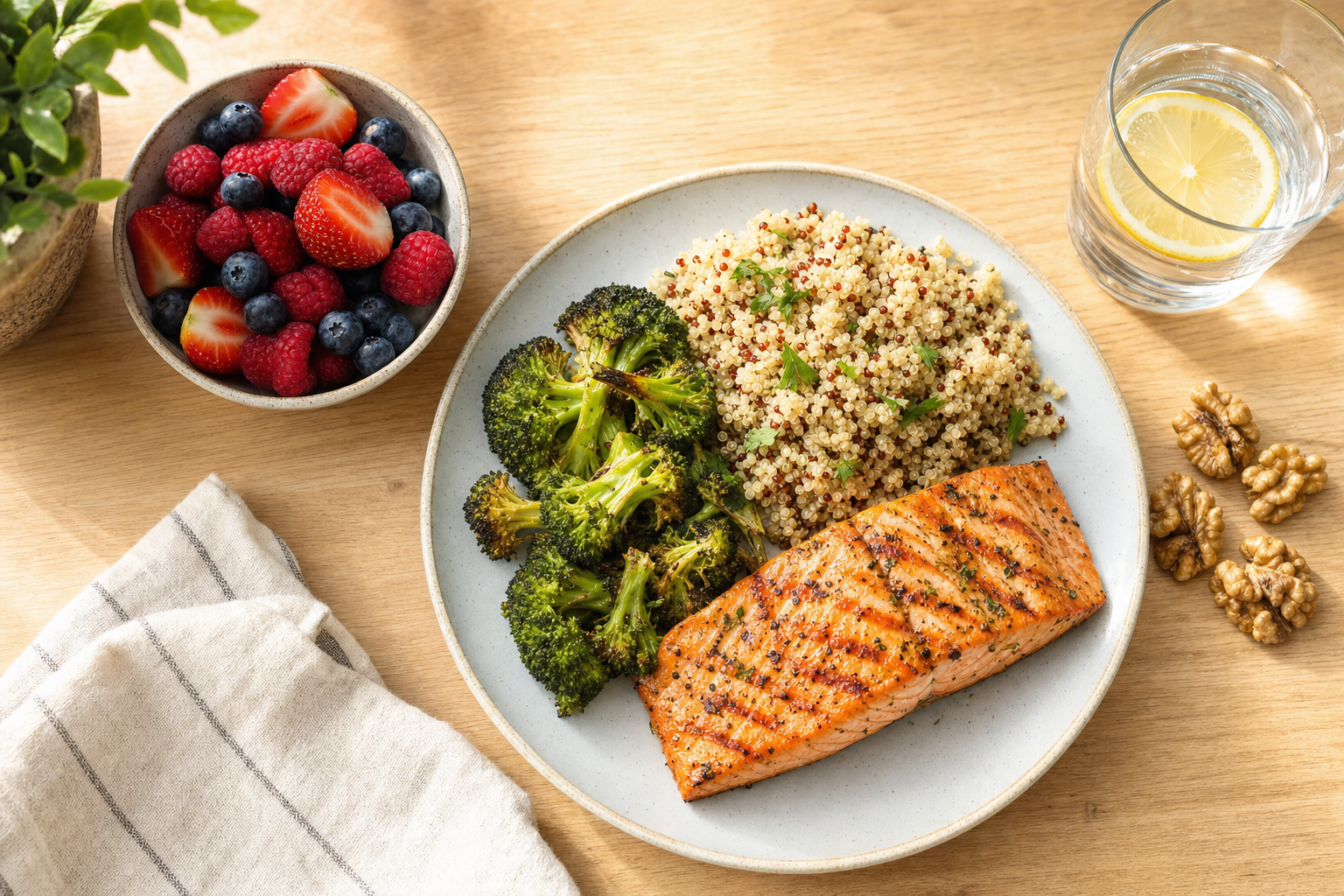
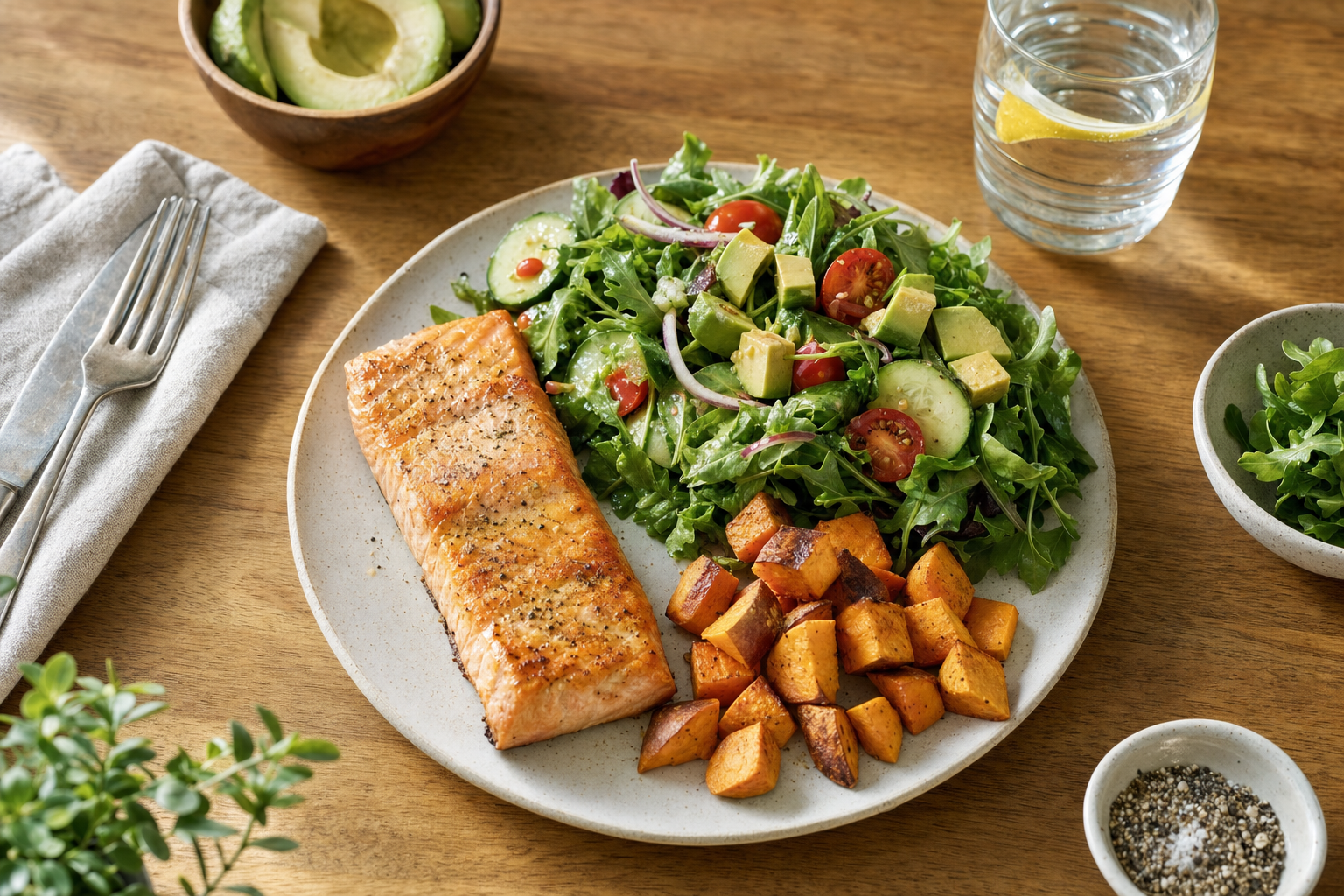
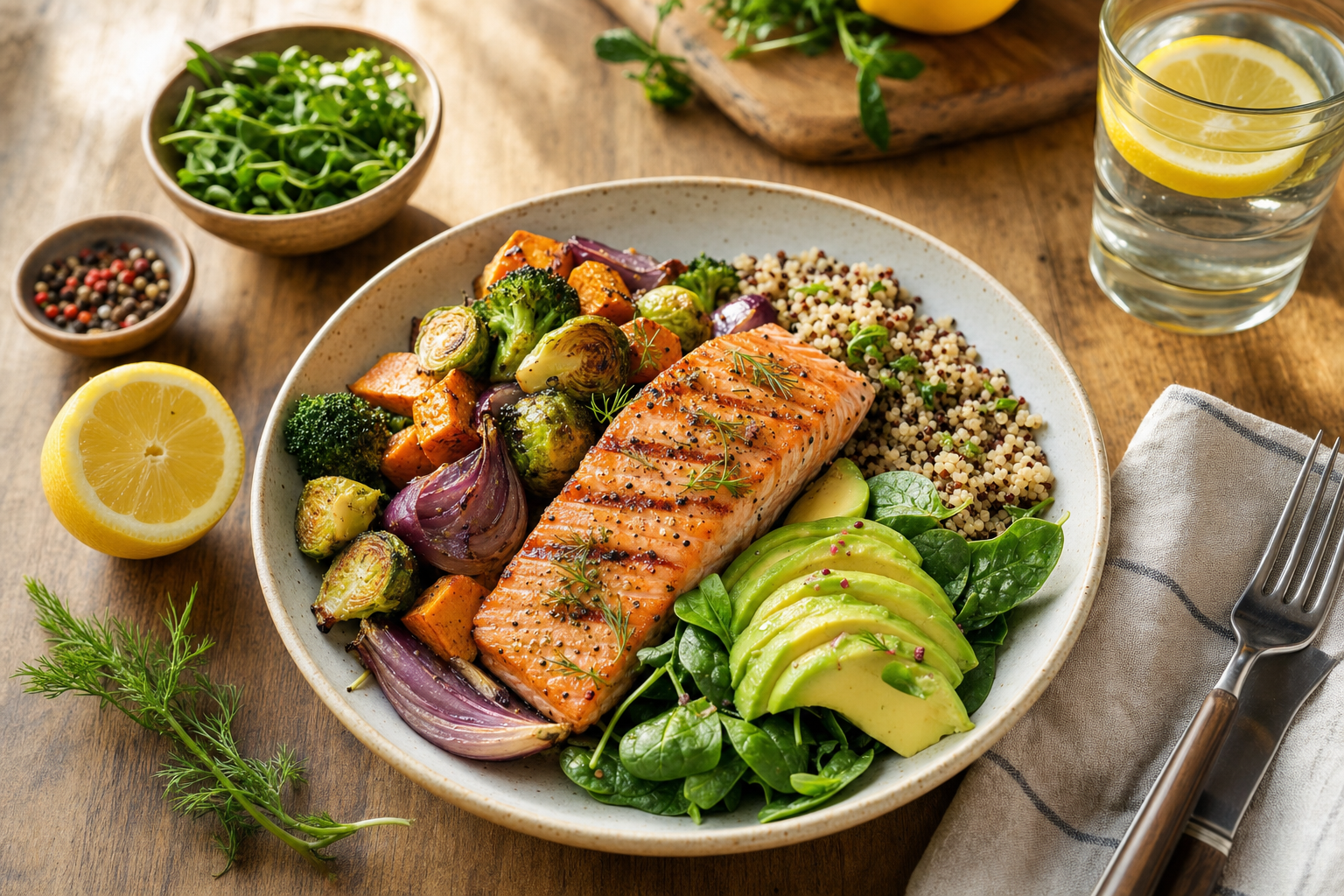
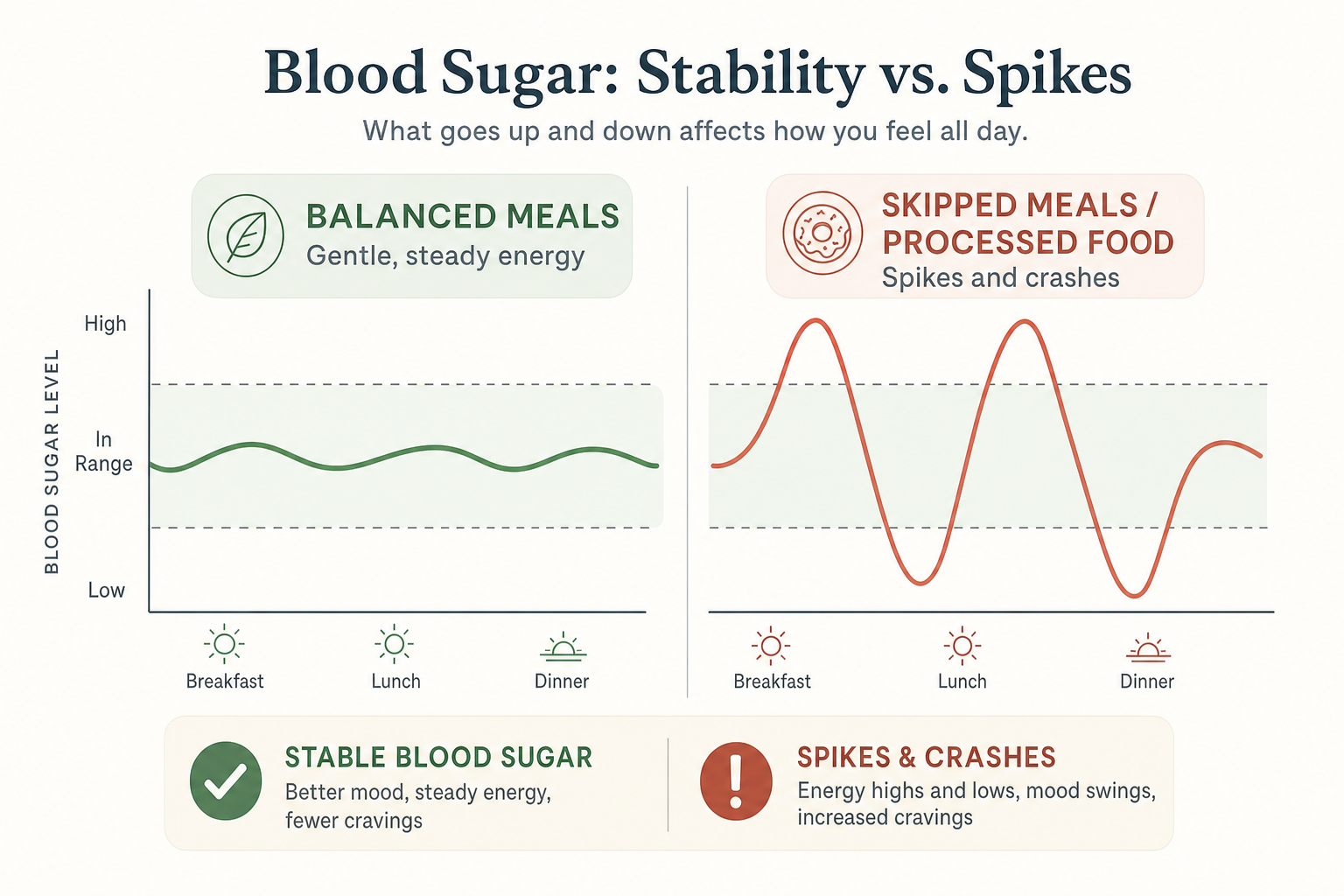
Sustainable weight loss after 30 is not about eating less — it is about eating in a way that keeps blood sugar stable, reduces inflammation, and supports muscle retention. The core principles are straightforward:
- Prioritize protein at every meal — protein is the most satiating macronutrient and supports muscle preservation during weight loss.
- Build meals around fiber-rich vegetables — fiber slows glucose absorption and feeds the gut bacteria that regulate appetite hormones.
- Include healthy fats — avocado, olive oil, nuts, and fatty fish support hormone production and reduce inflammation.
- Minimize ultra-processed foods — these are engineered to override satiety signals and drive overconsumption.
- Eat consistently — skipping meals can leave you very hungry later in the day.
The FreshStart30 Complete 30-Day Meal Plan puts these principles into a done-for-you structure with 100+ anti-inflammatory recipes, most under 30 minutes, designed for busy adults and family-friendly households.
The Habit System That Helps Busy Adults Keep Weight Off
The reason most diets fail long-term is not the food plan — it is the absence of a habit system. Research on habit formation suggests that consistent behaviors become automatic after roughly 21 to 66 days of repetition, depending on complexity. This is why the FreshStart30 framework is built around a 30-day window: it is long enough to begin automating the behaviors that prevent relapse, but short enough to feel achievable.
Key habits the FreshStart30 system focuses on include consistent meal timing, a simple weekly meal-prep routine, sleep prioritization, and daily movement — not as punishment, but as metabolic support. When these behaviors become automatic, maintaining results stops feeling like discipline and starts feeling like a default.

How FreshStart30 Approaches Weight Loss Differently After 30
FreshStart30 founder David Knox Vale reports that he lost 48 pounds in 90 days and reduced his waist by 10 inches — not through extreme restriction, but through a structured metabolic reset built on anti-inflammatory nutrition, consistent habits, and hormonal awareness. That personal experience shaped every element of the FreshStart30 protocol.
At FreshStart30, our system is not a diet. It is a 30-day metabolic reset that gives adults over 30 a complete framework: a structured meal plan, 100+ anti-inflammatory recipes, meal-planning guidance, progress tracking, and a habit-building system — all in one place, with one-time lifetime access and no subscription required. The FreshStart30 membership plans start at free and scale to Complete ($397 one-time), so there is an entry point for every situation.
FreshStart30 also offers advanced protocols for specific populations: the Hormone Reset for Women (designed for women 30–50 navigating perimenopause and hormonal shifts) and the Testosterone Reset for Men Over 30 (addressing the hormonal component of weight gain in men). These are not generic programs — they are built around the biology of adults whose metabolism has already changed.
When Hormones, Stress, or Low Testosterone Are Part of the Problem
For many adults over 30, yo-yo dieting is not the only factor driving the lose-gain cycle. Body composition and hormone levels change with age.
The Office on Women’s Health notes that hormonal shifts during perimenopause and menopause are directly associated with increased abdominal fat and slowed metabolism. For men, declining testosterone after 30 is linked to reduced muscle mass and increased fat storage — particularly around the midsection. Long-lasting stress can make regular meals, sleep and activity harder to keep up.
If you suspect hormones or chronic stress are contributing to your weight cycling, speak with your physician. The FreshStart30 advanced protocols are designed to complement — not replace — medical care, providing the nutrition and lifestyle framework that supports hormonal balance from the ground up.
Common Mistakes Adults 30+ Make When Trying to Break the Cycle
- Relying on calorie counting alone — calories matter, but food quality and meal composition matter more for hormonal recovery.
- Expecting results in the first two weeks — metabolic adaptation takes time to reverse; most meaningful change happens between days 14 and 30.
- Skipping meals to compensate — this can leave you very hungry at the next meal.
- Comparing progress to people in their 20s — the biology is genuinely different; a slower, steadier trajectory is not failure.
- Jumping to supplements or detox products — no supplement reverses metabolic adaptation; food quality and habit structure do.
- Ignoring sleep and stress — not getting enough sleep is linked with a higher risk of obesity (CDC).
- Quitting before habits become automatic — research suggests habit automaticity begins around day 17 to 21; most people quit just before this threshold.
Practical Steps to Start Your Recovery This Week
- Stop restricting and start rebuilding. Add protein and fiber to every meal before removing anything. Restriction signals famine; abundance signals safety.
- Stabilize meal timing. Eat at consistent times each day to avoid getting very hungry.
- Prioritize sleep. Seven to nine hours of sleep is not optional for metabolic recovery — it is foundational.
- Add daily movement you enjoy. A 20-minute walk after dinner adds to your daily activity.
- Take the FreshStart30 Weight Loss Blocker Quiz. This free 2-minute quiz identifies the specific metabolic, hormonal, or behavioral patterns blocking your results — no email required.
- Get the full 30-day framework. A structured system removes the daily decision fatigue that causes most adults to abandon their plan by week two.
Frequently Asked Questions
What is yo-yo diet recovery and how long does it take after 30?
Yo-yo diet recovery involves building sustainable food habits after repeated cycles of weight loss and regain. After 30, this process typically takes a minimum of 30 to 90 days of consistent, non-restrictive eating and habit-building — which is why the FreshStart30 30-day reset is structured the way it is. Individual timelines vary based on how many diet cycles you have completed and your current hormonal status.
Why do I regain weight faster after each diet as I get older?
Each calorie-restriction cycle accelerates muscle loss and lowers resting metabolic rate through a process called metabolic adaptation. When you return to normal eating, your body — now burning fewer calories at rest — stores more of that energy as fat. After 30, declining muscle mass and hormonal changes compound this effect, making each regain faster than the last.
Can I recover from yo-yo dieting without going on another diet?
Yes — and in fact, another restrictive diet is likely to worsen metabolic adaptation. Recovery focuses on eating enough high-quality, anti-inflammatory food to signal safety to your body, stabilizing blood sugar, and building consistent habits over 30 or more days. The FreshStart30 framework is specifically designed around this non-restrictive recovery approach.
How does FreshStart30 help with sustainable weight loss after 30?
FreshStart30 provides a complete 30-day metabolic reset framework including a structured meal plan, 100+ anti-inflammatory recipes, meal-planning guidance, habit-building tools, and progress tracking — all designed specifically for adults over 30. It addresses the metabolic, hormonal, and behavioral layers of the lose-gain cycle rather than simply cutting calories. Plans start at free, with one-time lifetime access and a 60-day money-back guarantee.
Is there a money-back guarantee if FreshStart30 does not work for me?
Yes. FreshStart30 is backed by a 60-day money-back guarantee. See the Refund Policy for current terms. All paid plans are one-time payments with lifetime access — no subscriptions.
Do hormones affect yo-yo dieting and weight regain after 30?
Yes. Hormone levels, muscle mass and appetite can all change after 30. FreshStart30 offers advanced protocols — the Hormone Reset for Women and the Testosterone Reset for Men Over 30 — to address these hormonal layers alongside the core nutrition framework. Always consult your physician if you suspect a hormonal condition.
What is the difference between FreshStart30 Premium, Elite, and Complete plans?
FreshStart30 offers a Free Starter plan, Premium ($97 one-time), Elite ($297 one-time), and Complete ($397 one-time) — all with lifetime access and no subscriptions. Higher tiers include additional protocols, advanced meal planning, and specialized resources. Pricing is accurate as of publication and may change; visit freshstart30.com for current details.
Update Log
- October 2026: Article published covering yo-yo diet recovery after 30, metabolic adaptation, hunger hormone disruption, the FreshStart30 30-day reset framework, and practical recovery steps for adults in the lose-gain cycle.