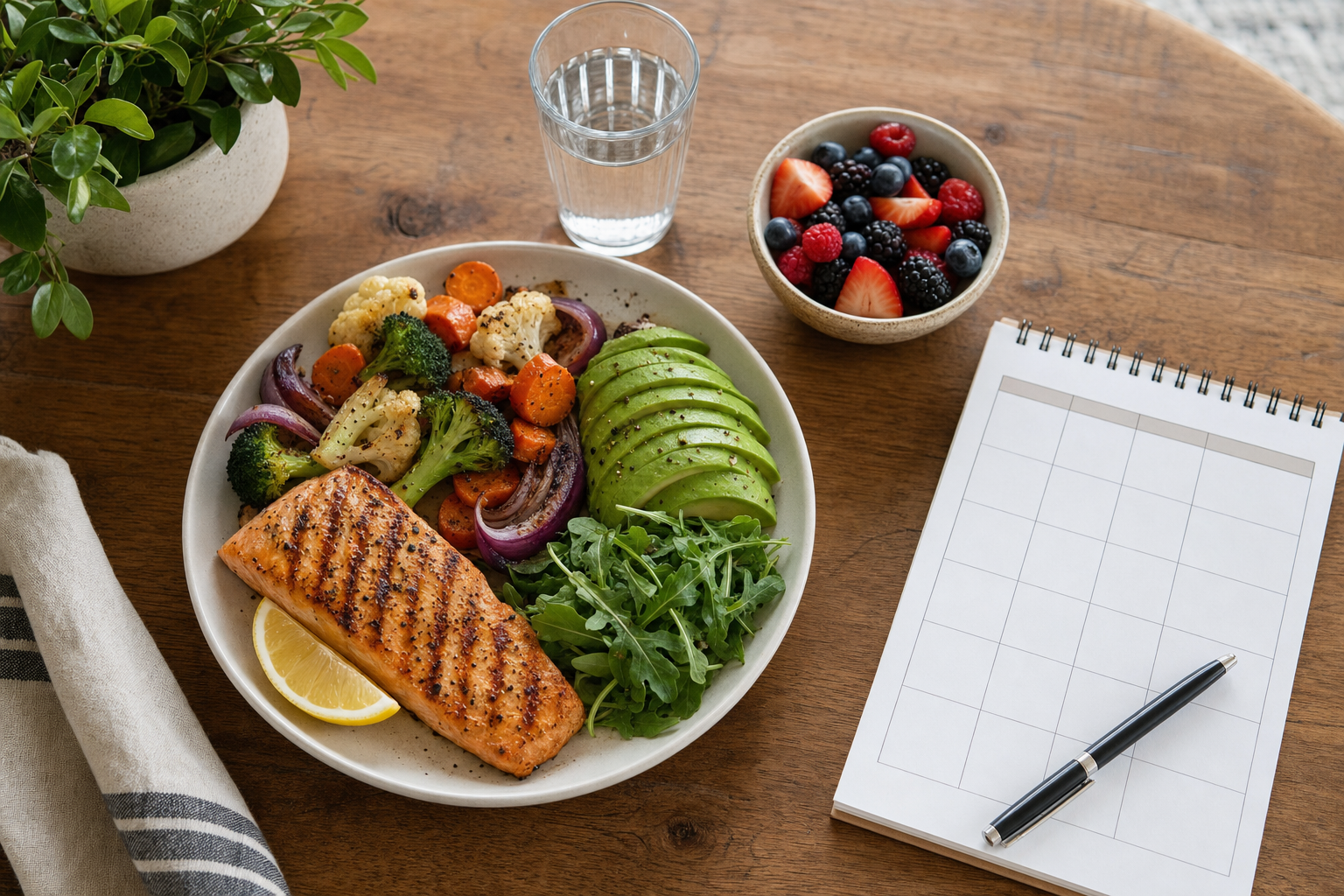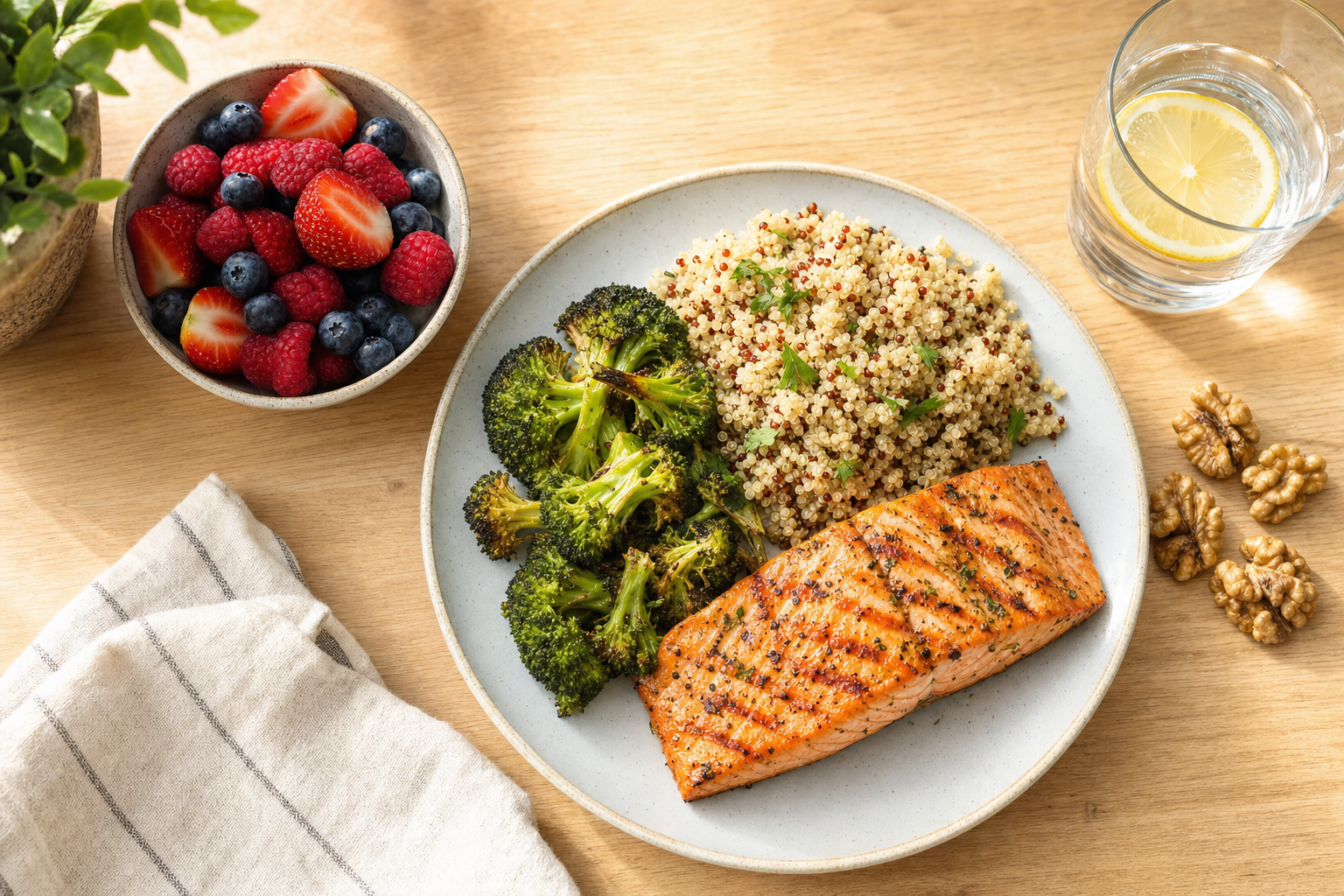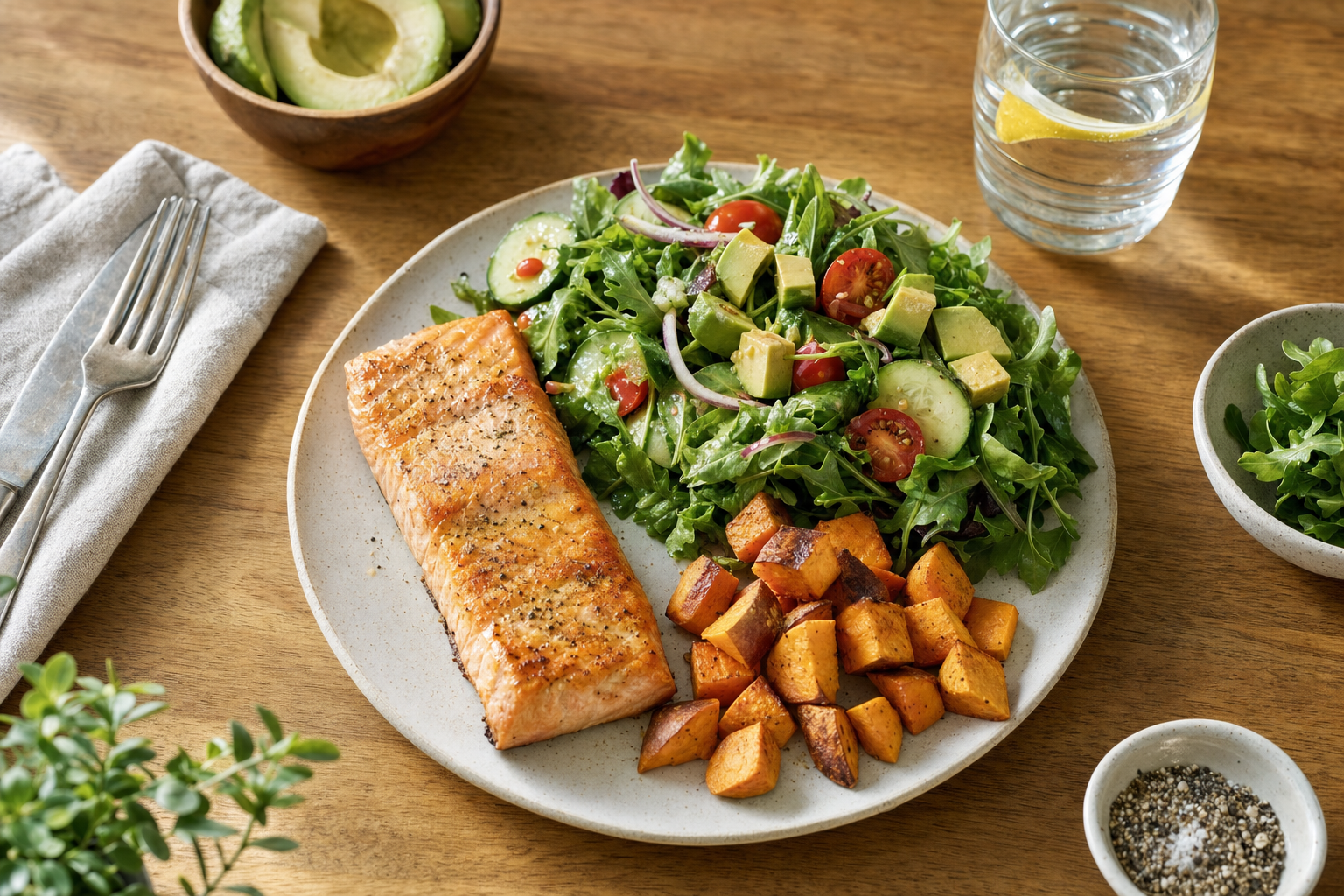
Discover a practical anti-inflammatory meal plan for weight loss after 30. Learn which foods reduce bloating, support metabolism, and help you reset in 30 days.
Anti-Inflammatory Meal Plan for Weight Loss After 30
Following an anti-inflammatory meal plan for weight loss after 30 is one of the most evidence-supported shifts adults can make when the usual approaches stop working. At FreshStart30, we built the 30-day metabolic reset specifically around anti-inflammatory, whole-food nutrition — because after 30, the rules of weight loss genuinely change. This guide walks you through exactly why inflammation matters, which foods help, and how to put a practical plan together starting this week.
Pricing, plan tiers, and program inclusions are accurate as of publication and may change. Individual results vary. Statements have not been evaluated by the FDA. FreshStart30 is not intended to diagnose, treat, cure, or prevent any disease.
The research on inflammation and metabolic health is clear: Harvard Health notes that chronic low-grade inflammation is linked to a range of metabolic disruptions, including insulin resistance, fatigue, and difficulty managing body weight. For adults over 30, these disruptions tend to compound — which is why a targeted, food-first approach matters more than simply eating less.
Why Inflammation Makes Weight Loss Harder After 30
After 30, several biological shifts happen at once. Muscle mass begins to decline gradually, resting metabolic rate slows, and hormonal patterns change. These shifts don’t happen in isolation. They interact with diet, sleep quality, and stress levels to create an environment where the body holds onto fat more readily, particularly visceral fat around the midsection.
Chronic low-grade inflammation sits at the center of this picture. Unlike acute inflammation (which is a healthy immune response), chronic inflammation is a persistent, low-level state driven largely by diet and lifestyle. It has been linked with several long-term health conditions. The result: you feel hungrier, store fat more easily, and recover from exercise more slowly.
Cleveland Clinic explains that metabolic slowdown after 30 is real and measurable, but it is not irreversible. Nutrition is the most direct lever available — and an anti-inflammatory meal plan is the most practical starting point.

How an Anti-Inflammatory Meal Plan Supports Metabolism and Hormones
An anti-inflammatory diet works on multiple systems at once. By reducing the foods that trigger inflammatory pathways — refined sugar, ultra-processed foods, trans fats, excess alcohol — and increasing foods that support cellular repair and hormone production, you create conditions where the body can return to more efficient metabolic function.
Vegetables, fruits, whole grains, fish, nuts and olive oil are all part of a healthy eating pattern.
The FreshStart30 30-day metabolic reset is built around exactly this framework. Rather than counting calories or eliminating entire food groups, the system guides you through a structured 30-day shift in food quality, meal timing, and habit formation — all designed for adults whose metabolism has changed after 30.
The Core Foods to Eat More Often
Anti-inflammatory eating is not about a rigid list of superfoods. It is about consistent patterns. The following categories form the foundation of an effective anti-inflammatory meal plan for weight loss after 30:
- Fatty fish (salmon, sardines, mackerel): Rich in omega-3 fatty acids, which directly reduce inflammatory markers.
- Leafy greens and cruciferous vegetables (spinach, kale, broccoli, cauliflower): High in fiber, antioxidants, and phytonutrients that support liver detoxification and gut health.
- Berries (blueberries, strawberries, raspberries): Dense in polyphenols that reduce oxidative stress.
- Extra-virgin olive oil: A primary fat source with well-documented anti-inflammatory properties.
- Legumes (lentils, chickpeas, black beans): Excellent fiber and plant protein sources that support blood sugar balance.
- Whole grains (oats, quinoa, brown rice): Provide sustained energy without the blood sugar spikes of refined carbohydrates.
- Nuts and seeds (walnuts, flaxseed, chia): Support omega-3 balance and provide healthy fats for hormone production.
- Herbs and spices (turmeric, ginger, garlic): Contain bioactive compounds with measurable anti-inflammatory effects.
The American Heart Association also recommends this whole-food, plant-forward eating pattern for cardiovascular health — which overlaps significantly with metabolic and weight-management goals.
Foods That Commonly Worsen Bloating, Energy Crashes, and Cravings
Reducing inflammatory foods is just as important as adding anti-inflammatory ones. The following categories are the most common drivers of bloating, energy crashes, and cravings in adults over 30:
- Refined sugar and high-fructose corn syrup: Spike blood glucose rapidly, promote insulin resistance, and feed inflammatory pathways.
- Ultra-processed foods (packaged snacks, fast food, deli meats with additives): Contain combinations of refined carbohydrates, and additives that disrupt gut health.
- Refined grains (white bread, white pasta, most breakfast cereals): Digest quickly, causing blood sugar swings that drive hunger and fat storage.
- Excess alcohol: Disrupts liver function, sleep quality, and gut microbiome balance — all of which affect inflammation and weight.
- Industrial seed oils (soybean, corn, sunflower in large amounts): High in omega-6 fatty acids that, when consumed in excess relative to omega-3s, promote inflammatory signaling.
The goal is not perfection or permanent elimination. It is reducing the frequency and quantity of these foods enough that the body’s inflammatory load decreases meaningfully over 30 days.
A 7-Day Anti-Inflammatory Meal Plan for Busy Adults 30+
Below is a practical 7-day framework. Portions should be adjusted to your hunger and energy levels — this is not a calorie-restriction protocol. The goal is food quality and meal structure.
| Day | Breakfast | Lunch | Dinner |
|---|---|---|---|
| Monday | Oats with blueberries, walnuts, and cinnamon | Large salad with salmon, olive oil, lemon, and chickpeas | Baked chicken thighs with roasted broccoli and quinoa |
| Tuesday | Eggs scrambled with spinach and avocado | Lentil soup with a side of mixed greens | Stir-fried shrimp with bok choy, garlic, and brown rice |
| Wednesday | Greek yogurt (plain, full-fat) with raspberries and chia seeds | Turkey and avocado lettuce wraps with sliced cucumber | Grass-fed beef and vegetable stew with sweet potato |
| Thursday | Smoothie: spinach, frozen berries, flaxseed, almond butter, water | Quinoa bowl with roasted vegetables and tahini dressing | Baked salmon with asparagus and olive oil |
| Friday | Oats with sliced banana, almond butter, and hemp seeds | Black bean and vegetable soup with a side salad | Chicken and vegetable sheet-pan dinner with turmeric and olive oil |
| Saturday | Veggie omelette with mushrooms, peppers, and feta | Sardines on whole-grain crackers with sliced tomato and arugula | Grilled salmon tacos in corn tortillas with cabbage slaw and avocado |
| Sunday | Chia pudding made with coconut milk, topped with mango and walnuts | Large grain bowl: farro, roasted beets, goat cheese, pumpkin seeds | Slow-cooker chicken and white bean stew with kale |
Each meal is built around protein, fiber, and healthy fat — the three anchors of the FreshStart30 meal structure. Most of these meals take under 30 minutes to prepare.

Smart Meal Prep and Grocery Strategies That Make It Sustainable
The most common reason anti-inflammatory eating fails is not motivation — it is logistics. Without a basic prep system, busy adults default to whatever is fastest, which is usually the most processed option available.
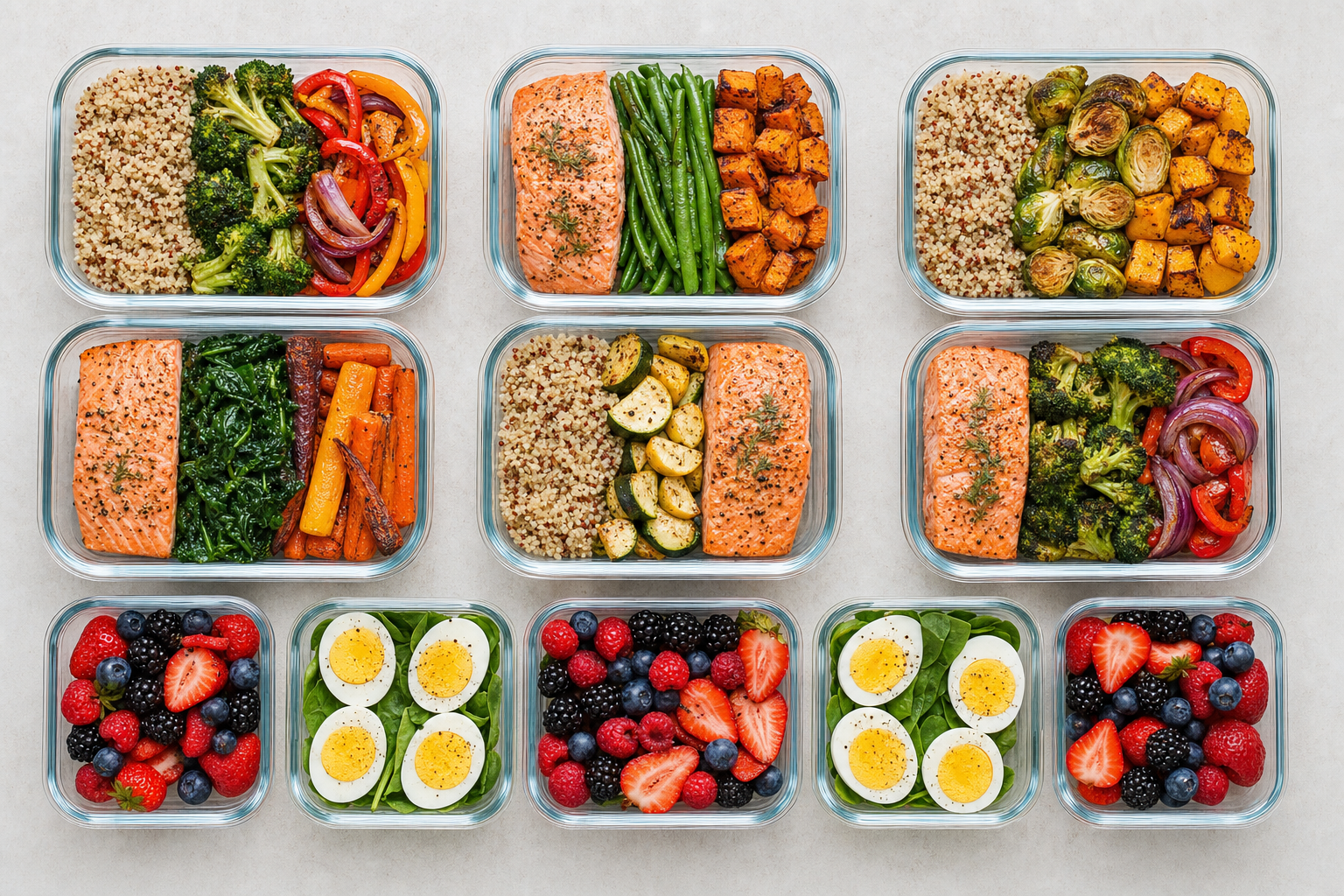
A simple Sunday prep session of 60 to 90 minutes can cover most of the week. Batch-cook a grain (quinoa or brown rice), roast two trays of vegetables, hard-boil eggs, and portion out nuts and berries for snacks. With these components ready, assembling anti-inflammatory meals takes minutes rather than decisions.
For groceries, build your cart around the perimeter of the store first — produce, proteins, and dairy — then add specific pantry staples (canned legumes, olive oil, whole grains, nuts, seeds). A written list organized by category reduces impulse purchases and decision fatigue.
At FreshStart30, our complete 30-day meal plan includes weekly meal-planning guidance organized by category, so members never have to figure out the logistics from scratch. The FreshStart30 membership plans include access to 100+ anti-inflammatory recipes, most under 30 minutes, all family-friendly.
How to Personalize the Plan for Women, Men, and Different Schedules
Anti-inflammatory eating principles are consistent across genders, but the application can be personalized. Women in their 30s and 40s navigating perimenopause may benefit from additional emphasis on phytoestrogen-rich foods (flaxseed, edamame, legumes) and magnesium-rich vegetables to support hormonal transitions. The Office on Women’s Health notes that hormonal shifts during perimenopause can affect weight distribution and energy, making food quality especially important during this window.
Men over 30 experiencing declining testosterone may benefit from prioritizing zinc-rich foods (pumpkin seeds, beef, oysters), healthy fats for hormone synthesis, and adequate protein to support muscle retention. The FreshStart30 Testosterone Reset for Men Over 30 addresses these specifics within the same anti-inflammatory framework.
For schedule personalization: if mornings are rushed, prep grab-and-go breakfasts (overnight oats, chia pudding, hard-boiled eggs) on Sunday. If evenings are short, use a slow cooker or sheet-pan method that requires minimal active time. The 7-day plan above is designed to be flexible — swap proteins and vegetables freely within the same structural template.
Common Mistakes Adults Over 30 Make With Anti-Inflammatory Eating
Even with the right information, several patterns consistently derail results for adults over 30:
- Relying on calorie counting alone: Calories matter, but food quality and inflammatory load matter more after 30. Two meals with identical calories can differ in protein, fiber and added sugar.
- Expecting overnight results: Reducing systemic inflammation takes time. The timing of noticeable changes varies from person to person.
- Skipping meals to compensate: Skipping meals can leave you very hungry later in the day. Consistent meal timing supports metabolic stability.
- Ignoring sleep and stress: Poor sleep and chronic stress are independent drivers of inflammation. The CDC notes that insufficient sleep is associated with increased inflammatory markers and weight gain. Nutrition alone cannot fully compensate for chronic sleep deprivation.
- Quitting before habits form: Research suggests habit formation takes longer than most people expect. Habit timing varies; practice consistently. Quitting before that threshold means starting over repeatedly.
- Comparing results to people in their 20s: Metabolic rate, hormonal context, and recovery capacity are genuinely different after 30. The benchmark for success should be your own trend over 30 days — not someone else’s timeline.
- Jumping to supplements as the primary strategy: No supplement replaces the foundational work of food quality, sleep, and stress management. Supplements may have a supporting role, but they are not the lever that moves the needle for most adults.
When to Get Extra Support if You Feel Stuck
If you have been eating well for several weeks and still feel stuck — persistent fatigue, no change in bloating, weight that won’t shift — it is worth ruling out underlying factors with your physician. Your doctor can decide which assessments are appropriate for you.
Beyond medical evaluation, a structured program provides accountability, meal structure, and a clear framework that removes the guesswork. FreshStart30 provides a complete 30-day meal plan, anti-inflammatory recipe library, and habit-building framework specifically designed for adults 30+ who are done with fad diets and calorie counting. The system is backed by a 60-day money-back guarantee.
Frequently Asked Questions
What is an anti-inflammatory meal plan for weight loss after 30?
An anti-inflammatory meal plan for weight loss after 30 is a structured eating approach that prioritizes whole foods — vegetables, lean proteins, healthy fats, and fiber-rich carbohydrates — while reducing processed foods, refined sugar, and industrial oils that drive chronic low-grade inflammation. The goal is to support insulin sensitivity, hormone balance, and metabolic function rather than simply restricting calories.
How long does it take to see results from anti-inflammatory eating?
The timing of noticeable changes varies from person to person. Meaningful metabolic and weight-related changes typically build over a full 30-day period. Individual results vary based on starting point, sleep, stress, and other health factors.
Is the FreshStart30 plan suitable for women going through perimenopause?
Yes. The FreshStart30 framework is designed for adults over 30 and includes a dedicated Hormone Reset for Women protocol that addresses the specific nutritional needs of women in their 30s and 40s navigating hormonal transitions. The FreshStart30 meal plan can be used during perimenopause; check with your doctor about your individual needs.
Do I have to give up carbohydrates on an anti-inflammatory diet?
No. Anti-inflammatory eating is not a low-carbohydrate diet. The focus is on carbohydrate quality — replacing refined grains and added sugars with whole grains, legumes, fruits, and vegetables. These fiber-rich carbohydrates support gut health and blood sugar balance rather than disrupting them.
What does FreshStart30 include, and how much does it cost?
FreshStart30 offers a Free Starter plan and paid tiers at $97 (Premium), $297 (Elite), and $397 (Complete) — all one-time payments with lifetime access and no subscriptions. Paid plans include the full 30-day meal plan, 100+ anti-inflammatory recipes, meal-planning guidance, progress tracking, and protocol guides. All paid plans are backed by a 60-day money-back guarantee.
Is there a money-back guarantee if the program doesn’t work for me?
Yes. FreshStart30 offers a 60-day money-back guarantee on all paid membership plans. See the Refund Policy for current terms.
Can I follow this meal plan if I have a busy schedule and family to feed?
Yes. The FreshStart30 meal plan is designed for busy adults — most recipes take under 30 minutes and are family-friendly. The weekly meal-planning guidance and batch-prep strategies are built to reduce daily decision-making so that eating well fits into a real schedule, not an idealized one.
Update Log
- September 2026: Article published with 7-day anti-inflammatory meal plan, food category guidance, meal prep strategies, personalization section for women and men over 30, and common mistakes framework. Outbound links verified against FreshStart30 whitelist.