...

Menopause Weight Loss After 50 Without Dieting | FreshStart30

Struggling with menopause weight gain after 50? Learn why extreme dieting backfires, what actually works for hormone balance and metabolism, and how the FreshStart30 framework supports sustainable results.

David Knox Vale
David Knox Vale

Creator of Fresh Start 30 — the 30-day metabolic reset that helps real people lose weight, restore energy, and rebuild discipline.

Share:

Menopause Weight Loss After 50 Without Dieting

Menopause weight loss after 50 is one of the most misunderstood challenges women face — and one of the most frustrating, especially when the strategies that worked in your 30s suddenly stop delivering results. The hormonal, metabolic, and lifestyle shifts that accompany menopause require a fundamentally different approach, which is exactly why the FreshStart30 framework was built around sustainable habit change rather than restriction. In this guide, we break down what is actually happening in your body and what you can do about it — without crash diets, extreme calorie cuts, or unsustainable rules.

Pricing, plan tiers, and program inclusions are accurate as of publication and may change. Individual results vary. Statements have not been evaluated by the FDA. FreshStart30 is not intended to diagnose, treat, cure, or prevent any disease.

Understanding why your body responds differently to food and exercise after 50 is the first step toward making real, lasting progress. The strategies below are grounded in evidence-based nutrition and metabolic science — not fad diets or quick fixes.

Why Menopause Weight Gain Feels Different After 50

If you feel like your body changed the rules without telling you, you are not imagining it. The hormonal environment of menopause — particularly the sharp decline in estrogen — fundamentally alters how your body regulates fat storage, appetite, and energy. Fat that previously distributed across the hips and thighs now tends to accumulate around the abdomen, a pattern associated with increased metabolic risk. This is not a character flaw or a lack of effort. It is a documented physiological shift that requires a different strategy.

According to the Cleveland Clinic, hormonal changes after 50 make it genuinely harder to lose weight — and the approaches that worked in earlier decades often become less effective or even counterproductive. Recognizing this is not an excuse; it is the foundation for choosing the right tools.

What Actually Changes in Your Metabolism, Hormones, and Appetite

Several interconnected changes happen simultaneously during and after menopause. Estrogen decline reduces insulin sensitivity, making it easier for blood sugar to spike and for excess glucose to be stored as fat. Muscle mass decreases with age — a process called sarcopenia — which lowers your resting metabolic rate. Cortisol, the primary stress hormone, becomes more influential as estrogen drops, and elevated cortisol directly promotes abdominal fat storage.

Appetite-regulating hormones also shift. Leptin (which signals fullness) and ghrelin (which signals hunger) become less predictable, which is why many women report feeling hungrier or less satisfied after meals despite eating the same foods they always have. The Mayo Clinic explains that metabolic rate naturally slows with age, and this effect is compounded by the hormonal changes of menopause.

Insulin resistance is another key factor. When cells become less responsive to insulin, the body produces more of it — and higher insulin levels promote fat storage, particularly around the midsection. Addressing insulin sensitivity through food choices and movement is central to any effective menopause weight loss strategy.

Why Extreme Dieting Backfires During Menopause

Severe calorie restriction is one of the most common — and most damaging — responses to menopause weight gain. When you dramatically cut calories, your body interprets this as a threat and responds by slowing metabolism further, breaking down muscle tissue for energy, and increasing cortisol. The result is often a temporary drop on the scale followed by rapid regain, plus a slower metabolism than you started with.

Fad diets that eliminate entire food groups create additional problems. Cutting carbohydrates too aggressively can disrupt thyroid function and worsen fatigue — already a common complaint during menopause. Skipping meals raises cortisol and destabilizes blood sugar, making cravings worse. As Johns Hopkins Medicine notes, fad diets rarely produce lasting results and often leave people worse off metabolically than before they started.

The Best Nutrition Strategy for Menopause Weight Loss After 50

The most effective nutrition approach for menopause weight loss after 50 is not about eating less — it is about eating smarter. Three principles consistently emerge from the evidence: prioritize protein, reduce inflammatory foods, and stabilize blood sugar through food quality and meal structure.

Protein: Women over 50 need more protein than they did in their 30s, not less. Adequate protein preserves muscle mass, supports satiety, and has a higher thermic effect than carbohydrates or fat — meaning your body burns more calories digesting it. Aim to include a quality protein source at every meal: eggs, fish, legumes, poultry, Greek yogurt, or tofu.

Anti-inflammatory foods: Chronic low-grade inflammation worsens insulin resistance and promotes fat storage. Harvard Health identifies leafy greens, berries, fatty fish, olive oil, nuts, and whole grains as key anti-inflammatory foods that support metabolic health. These are the foundation of the FreshStart30 meal framework.

Blood sugar stability: Pairing carbohydrates with protein and healthy fat at every meal slows glucose absorption and reduces insulin spikes. This single habit — eating balanced, not just “clean” — makes a measurable difference in energy, cravings, and fat storage patterns.

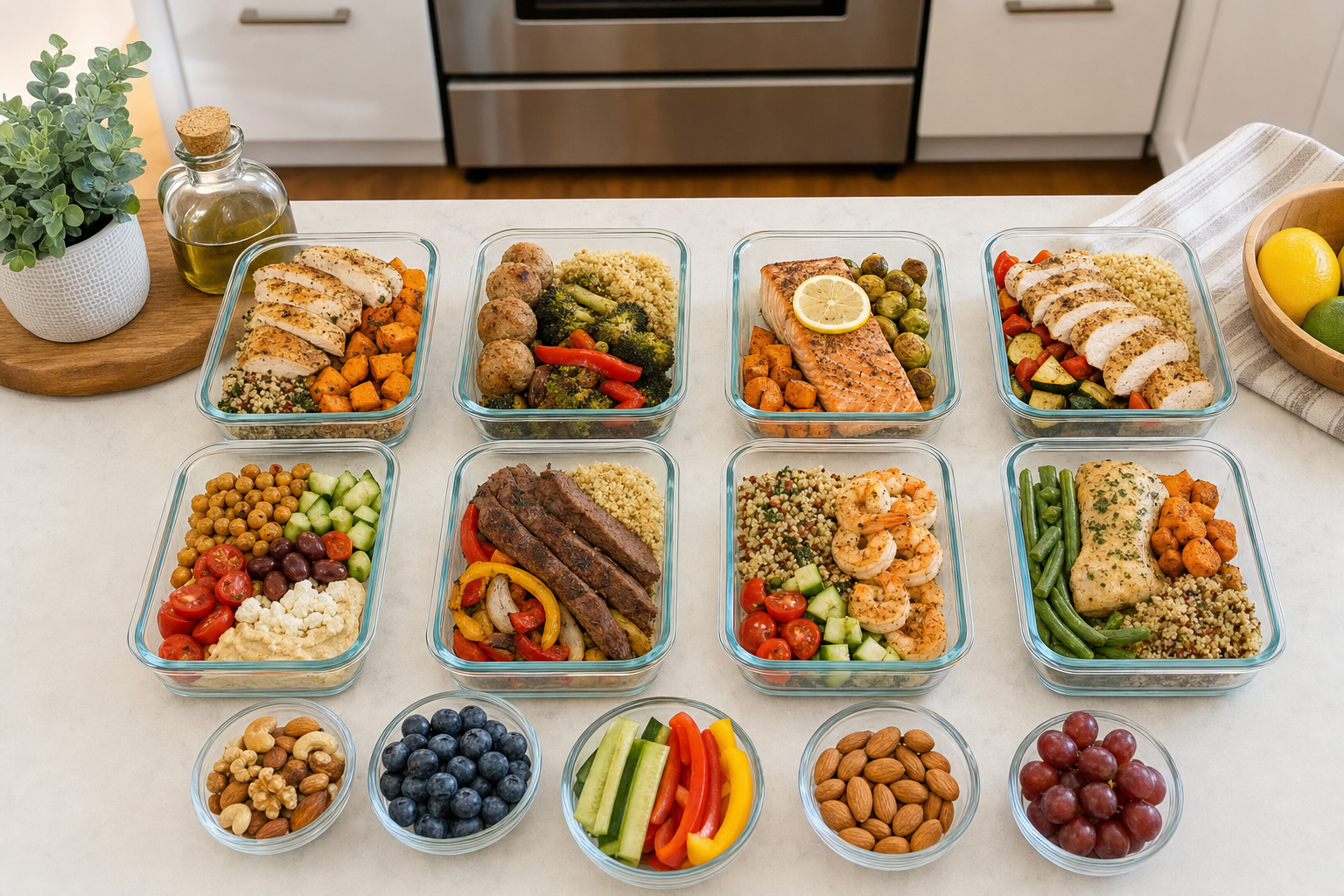
FreshStart30 provides a complete 30-day meal plan with 100+ anti-inflammatory recipes, shopping lists, and meal-prep guides designed specifically for adults over 30 — including women managing the nutritional demands of menopause. Most recipes take under 30 minutes and are family-friendly, so you are not cooking separate meals for yourself.

How to Build Meals That Support Hormones, Fullness, and Steady Energy

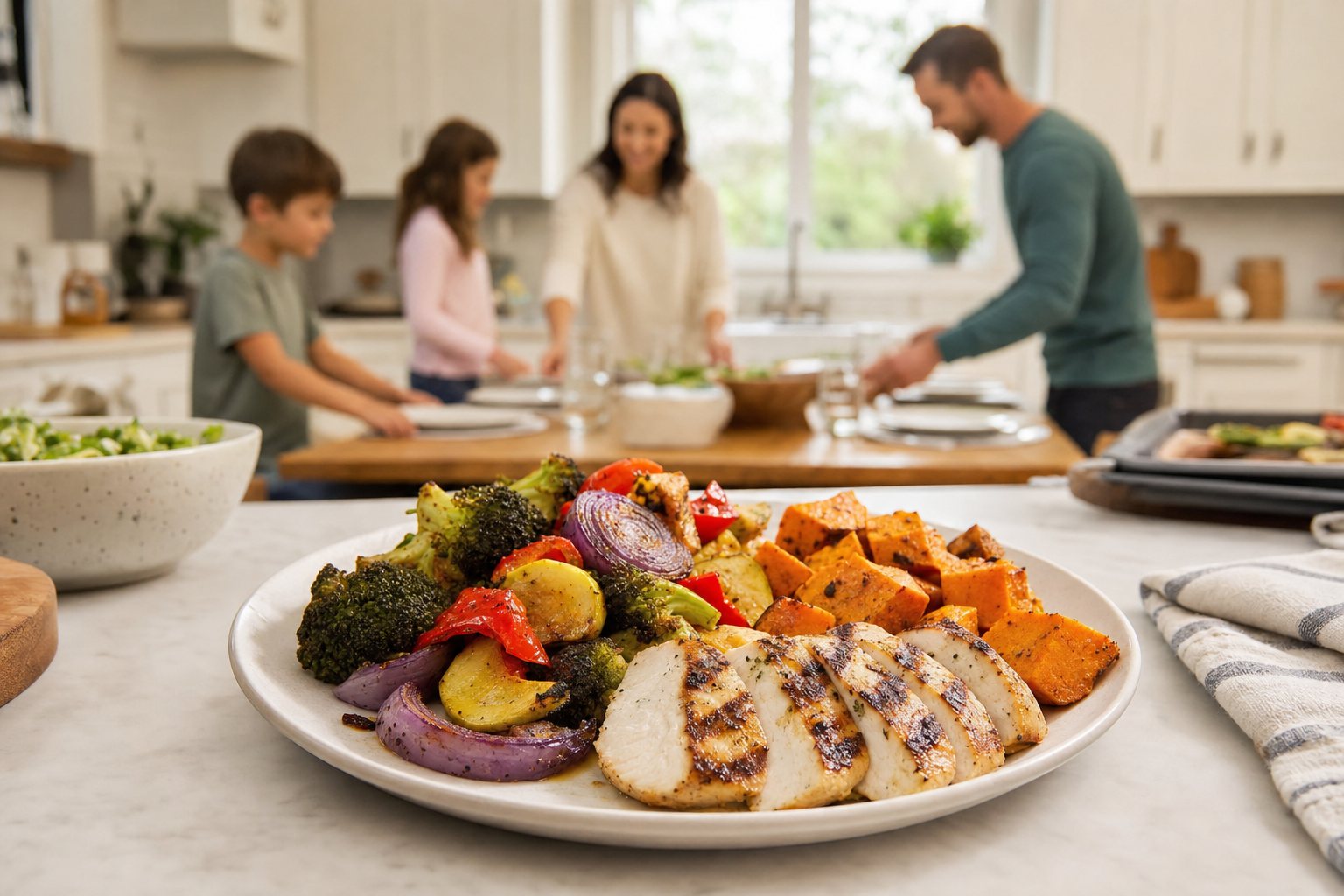
A practical meal-building framework removes the guesswork. At FreshStart30, we teach a simple plate structure: half the plate filled with non-starchy vegetables, one quarter with a quality protein, and one quarter with a fiber-rich complex carbohydrate, plus a small amount of healthy fat. This structure naturally supports hormone balance, keeps you full longer, and prevents the blood sugar swings that drive afternoon cravings and evening overeating.

The Most Effective Exercise Plan for Burning Fat and Protecting Muscle

Cardio alone is not the answer for menopause belly fat loss. While walking and aerobic activity support cardiovascular health and mood, strength training is the most important exercise modality for women over 50. Building and preserving muscle mass raises your resting metabolic rate, improves insulin sensitivity, and supports bone density — all of which decline during menopause.

Two to three sessions of resistance training per week, combined with daily movement (walking, stretching, low-impact activity), is a sustainable and effective combination. The American College of Sports Medicine recommends muscle-strengthening activities at least two days per week for adults, with particular emphasis on this for older adults managing metabolic health.

You do not need a gym. Bodyweight exercises, resistance bands, and light dumbbells at home are sufficient to stimulate muscle maintenance and metabolic improvement.

Sleep, Stress, and Daily Habits That Make Weight Loss Easier

Sleep disruption is nearly universal during menopause — hot flashes, night sweats, and anxiety all interfere with restorative sleep. This matters enormously for weight management because poor sleep raises cortisol, increases ghrelin (hunger hormone), and reduces leptin (fullness hormone). The result is a physiological drive to eat more, particularly high-calorie foods, the following day.

Prioritizing sleep hygiene — consistent bedtimes, a cool dark room, limiting screens before bed, and managing evening stress — is not optional for menopause weight loss. It is foundational. Chronic stress compounds the problem by keeping cortisol elevated throughout the day, which directly promotes abdominal fat storage regardless of what you eat.

Simple daily habits — a 10-minute morning walk, a consistent meal schedule, a wind-down routine before bed — create the hormonal environment in which fat loss becomes possible. These are the kinds of sustainable habit changes the FreshStart30 framework is built around, because habits that stick are the only ones that produce lasting results.

A Simple 30-Day Menopause Reset You Can Actually Stick To

FreshStart30 founder David Knox Vale built the FreshStart30 program after his own 48-pound transformation in 90 days — and the core insight was that sustainable systems beat willpower every time. The FreshStart30 Hormone Reset for Women takes this same framework and applies it specifically to the hormonal and metabolic realities women face between 30 and 50, including the perimenopause and menopause transition.

A 30-day reset works because it is long enough to build real habits — research on habit formation suggests it takes several weeks of consistent repetition for new behaviors to become automatic — but short enough to feel achievable. Within 30 days of eating more protein, reducing inflammatory foods, moving consistently, and improving sleep, most women report noticeable changes in energy, bloating, and how their clothes fit. Individual results vary, and no specific outcome is guaranteed, but the framework is designed to create the conditions in which your body can function more efficiently.

Common Mistakes Women Over 50 Make When Trying to Lose Weight

  • Relying on calorie counting alone: Calories matter, but food quality, meal timing, and macronutrient balance matter more during menopause. Counting calories without addressing insulin sensitivity often produces frustration, not results.
  • Skipping meals to cut calories: Skipping meals raises cortisol, destabilizes blood sugar, and typically leads to overeating later in the day.
  • Comparing results to younger decades: Your body at 52 is not the same as it was at 32. Expecting the same rate of change leads to discouragement and abandonment of strategies that are actually working.
  • Ignoring sleep and stress: No nutrition plan fully compensates for chronically poor sleep and unmanaged stress. Both directly affect fat-storage hormones.
  • Quitting before habits become automatic: Most habit research suggests that new behaviors require consistent repetition over several weeks before they feel natural. Quitting at week two means stopping just before the process gets easier.
  • Jumping to supplements or extreme protocols: There is no supplement that replaces the foundational work of real food, movement, sleep, and stress management. Extreme protocols that promise rapid results typically accelerate muscle loss and metabolic slowdown.
  • Doing only cardio and skipping strength training: Cardio supports heart health but does not preserve muscle mass the way resistance training does — and muscle mass is the engine of your resting metabolism.

Frequently Asked Questions

Is it really possible to lose weight during menopause without dieting?

Yes — but it requires shifting the focus from restriction to metabolic support. Prioritizing protein, anti-inflammatory foods, strength training, sleep, and stress management creates the hormonal environment for fat loss without the muscle loss and metabolic slowdown that come with extreme dieting. Individual results vary.

Why is belly fat so much harder to lose after menopause?

Declining estrogen shifts fat storage from the hips and thighs to the abdomen, and rising cortisol compounds this effect. Insulin resistance — which worsens during menopause — also promotes abdominal fat accumulation. Addressing these hormonal drivers through food quality, movement, and sleep is more effective than calorie restriction alone.

How much protein do women over 50 actually need?

Most nutrition researchers suggest women over 50 benefit from higher protein intake than standard recommendations — roughly 1.2 to 1.6 grams per kilogram of body weight per day — to preserve muscle mass and support satiety. Always consult your physician or a registered dietitian for personalized guidance.

Does FreshStart30 have a program specifically for women going through menopause?

Yes. FreshStart30 offers the Hormone Reset for Women, an advanced protocol designed for women aged 30 to 50 navigating perimenopause and menopause. It includes a complete meal plan, anti-inflammatory recipes, and a habit-building framework tailored to the hormonal realities of this life stage. Visit freshstart30.com to learn more.

What is the FreshStart30 money-back guarantee?

FreshStart30 offers a 60-day money-back guarantee on its paid plans. If you are not satisfied within 60 days, you can contact support@freshstart30.com for a full refund. All plans are one-time payments with lifetime access — no subscriptions.

Is strength training safe for women over 50 who have never lifted weights?

Yes, when approached progressively and with proper form. Bodyweight exercises and resistance bands are excellent starting points. Always consult your physician before beginning a new exercise program, especially if you have bone density concerns, joint issues, or cardiovascular conditions.

How long does it take to see results from a menopause-focused nutrition reset?

Many women notice improvements in energy, bloating, and sleep quality within the first two to three weeks of consistent habit change. Changes in body composition typically take longer and vary significantly by individual. A 30-day reset is designed to build the habits that produce results over time — not to deliver overnight transformation. Individual results vary.

Update Log

  • August 2026: Article published covering menopause weight loss after 50, including updated guidance on protein intake, anti-inflammatory nutrition, strength training, sleep, and the FreshStart30 Hormone Reset for Women framework.
author avatar
David Knox Vale

Start Your Recovery Journey Today

Booking is quick, free, and confidential. Get the clarity you need to take control of your health.


David Knox Vale

David Knox Vale

David Vale is the creator of Fresh Start 30, a practical 30-day health reset built to burn fat, reset metabolism, and restore energy—without starvation or gym marathons. After losing 48 pounds using his own Metabolism Shock Method (strategic meal timing, precise portions, and daily movement), he turned that personal win into a repeatable system busy people can follow and stick to.