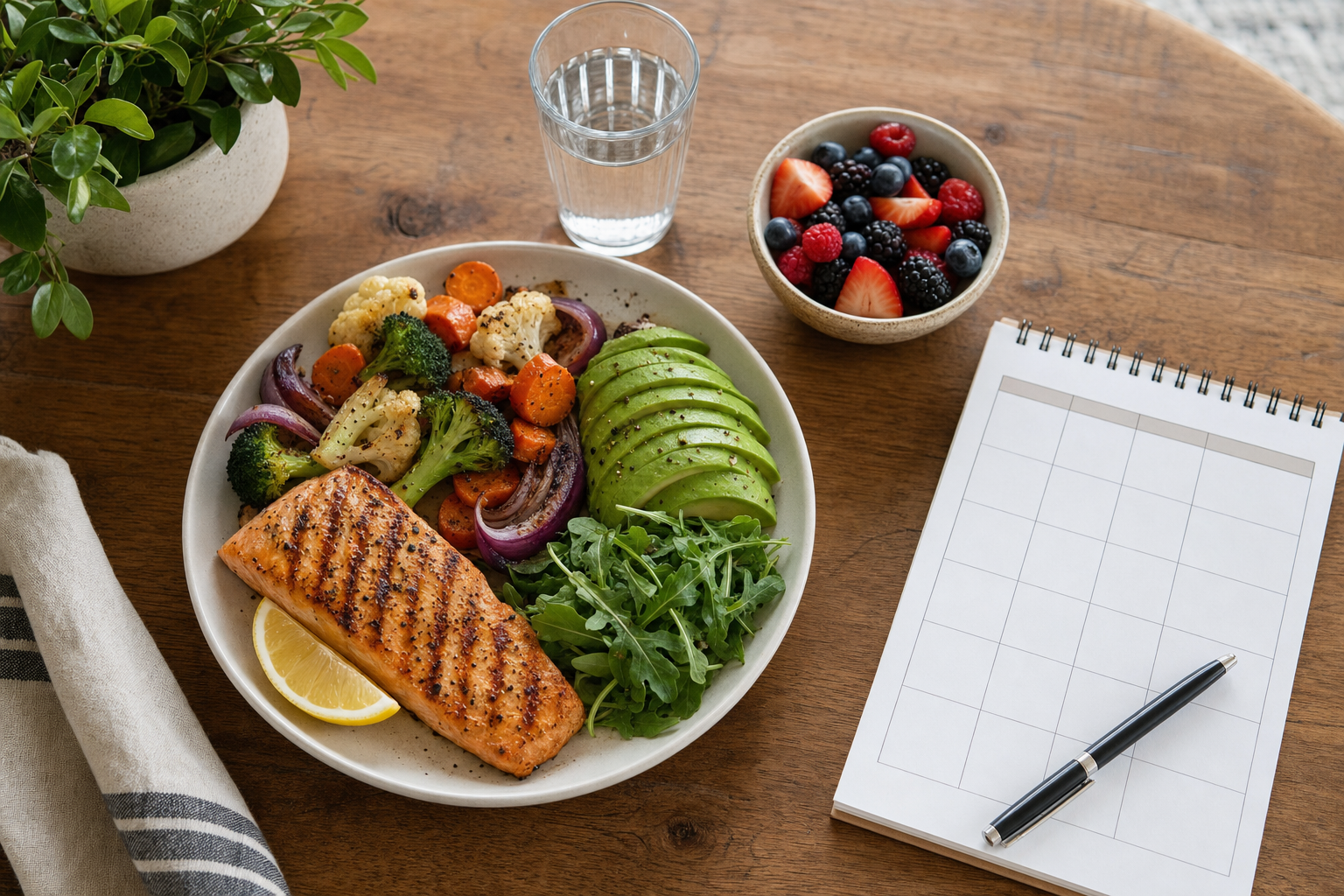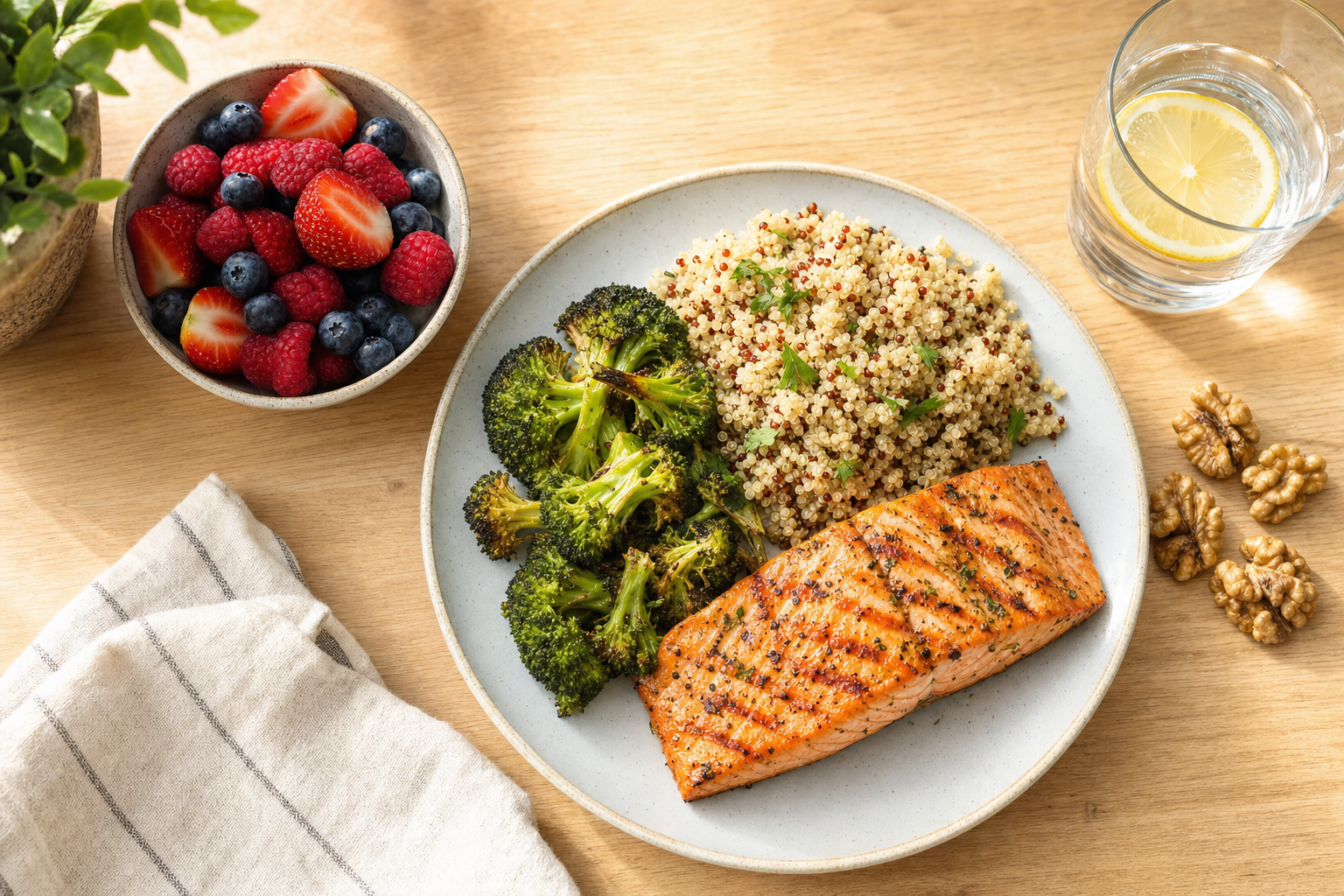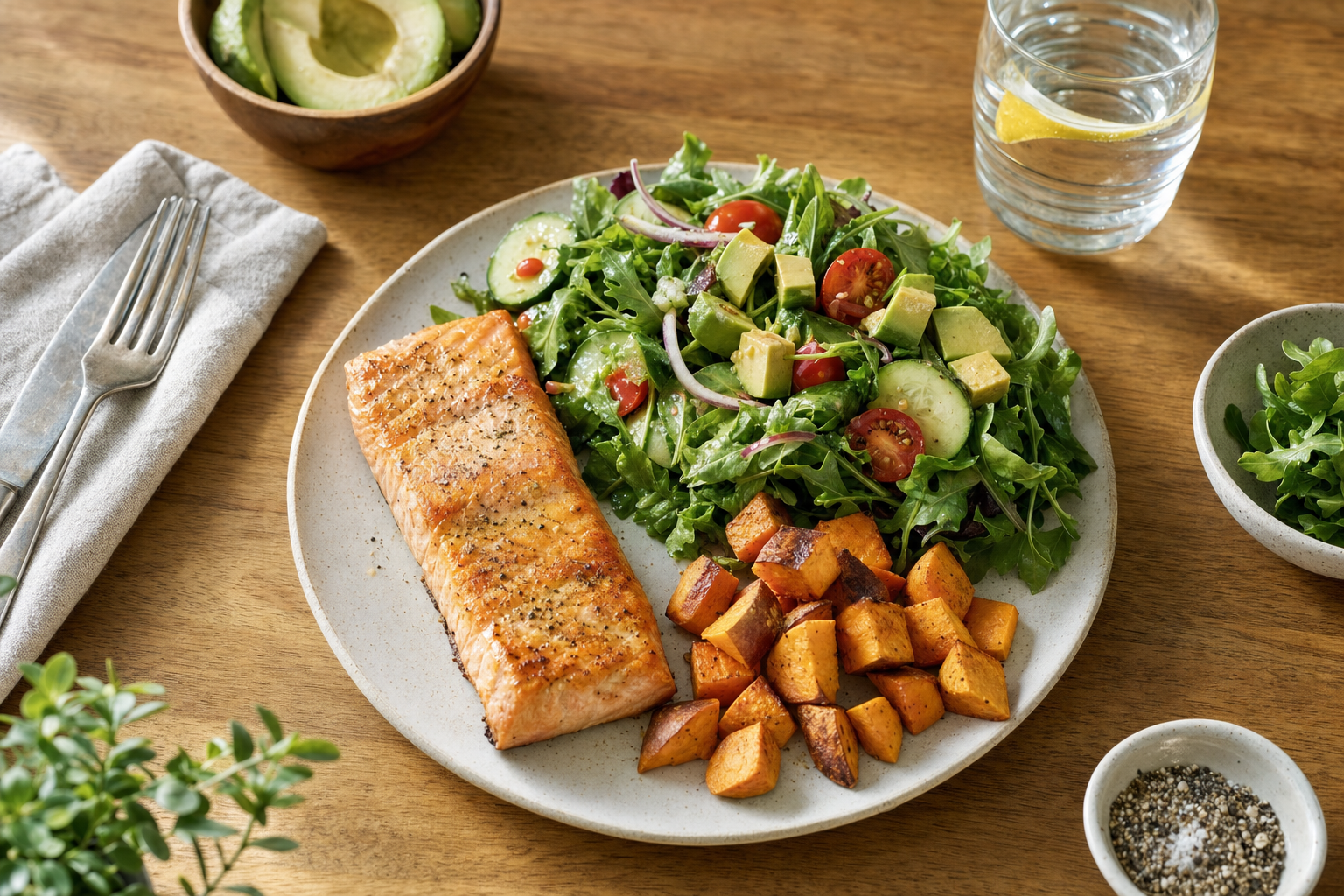
Struggling with hormonal weight gain after 40? Learn how to balance hormones for weight loss with the FreshStart30 30-day metabolic reset — evidence-based, no extreme dieting.
Hormone Reset for Women After 40: A Practical Guide to Stubborn Weight and Energy
A hormone reset for women after 40 is not about eating less or exercising harder — it is about working with the specific hormonal shifts that begin in your late 30s and accelerate through perimenopause. At FreshStart30, we designed the Hormone Reset for Women protocol specifically for this stage of life, drawing on the same anti-inflammatory framework that FreshStart30 founder David Knox Vale used to build the broader 30-day metabolic reset system.
Pricing, plan tiers, and program inclusions are accurate as of publication and may change. Individual results vary. Statements have not been evaluated by the FDA. FreshStart30 is not intended to diagnose, treat, cure, or prevent any disease.
The information in this guide reflects current evidence on perimenopause, metabolic flexibility, and hormonal weight regulation. It is intended to help women over 40 understand what is happening in their bodies and take practical, sustainable action — not to replace personalized medical care.
Why Stubborn Weight Gain After 40 Often Feels Different
If you are eating the same way you did at 32 but gaining weight anyway — especially around your midsection — you are not imagining it. The Cleveland Clinic confirms that losing weight becomes measurably harder as we age, and for women, the hormonal transition of perimenopause accelerates that shift significantly. Estrogen levels begin declining in the late 30s and drop more sharply in the 40s, which changes where the body stores fat (increasingly toward the abdomen), how efficiently it burns fuel, and how well it regulates hunger signals.
This is not a motivation problem. It is a metabolic and hormonal problem — and it requires a different approach than simply eating less or running more. The strategies that worked in your 20s are working against a different hormonal environment now, which is why so many women over 40 feel like they are doing everything right and still not seeing results.

The Hormones Most Likely Affecting Weight, Hunger, and Energy
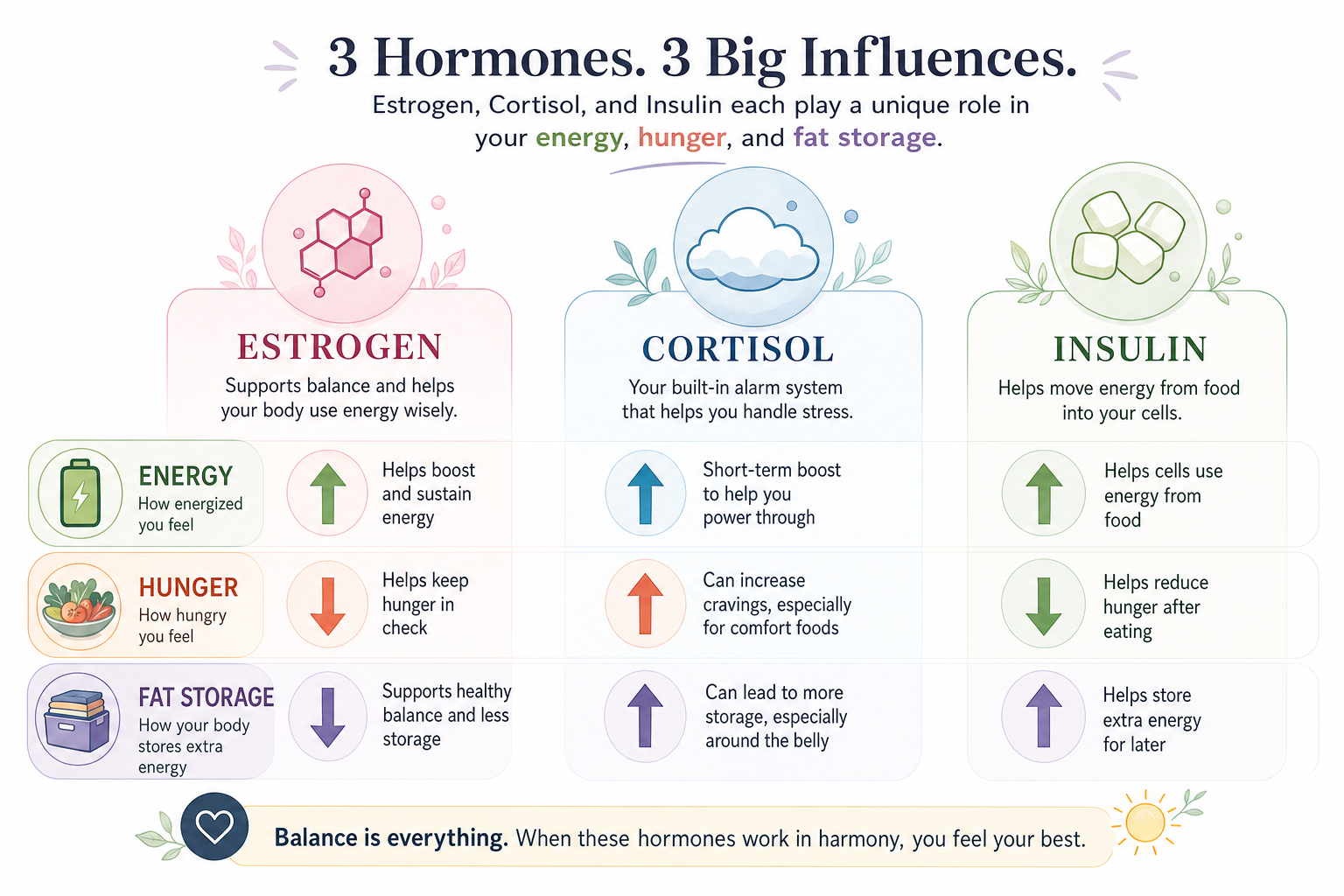
Understanding which hormones are shifting helps you target the right levers. The FreshStart30 Hormone Reset for Women addresses all of the following patterns in its 30-day framework:
- Estrogen: As estrogen declines, the body compensates by storing more fat in fat cells — particularly visceral (belly) fat — because fat tissue produces a weaker form of estrogen. This is a survival mechanism, not a character flaw.
- Cortisol: Cortisol is a stress hormone with normal, necessary functions. Long-lasting stress can also disrupt sleep.
- Insulin: Insulin resistance — where cells become less responsive to insulin’s signal to absorb glucose — becomes more common after 40. The result is higher circulating blood sugar, more fat storage, and persistent hunger even after eating. The Cleveland Clinic notes that insulin resistance is a key driver of weight gain and metabolic dysfunction.
- Leptin and ghrelin: These hunger-regulating hormones become less reliable with poor sleep and high stress, making it harder to feel full and easier to overeat without realizing it.
- Thyroid hormones: Thyroid function can slow with age and stress, reducing metabolic rate. If you suspect a thyroid issue, this warrants a conversation with your doctor (see the final section).
Common Experiences During Perimenopause (Not a Diagnosis)
Not every woman over 40 experiences the same symptoms, but several patterns consistently point to a hormonal and metabolic reset being the right starting point:
- Weight gain concentrated around the belly, hips, or upper arms despite no major dietary changes
- Energy crashes in the mid-afternoon, even after a full night of sleep
- Cravings for sugar or refined carbohydrates that feel difficult to manage
- Waking between 2am and 4am and struggling to fall back asleep
- Feeling puffy or inflamed, especially in the morning
- Mood changes, irritability, or anxiety that feel out of proportion to circumstances
- Workouts that used to produce results no longer moving the needle
What to Eat to Support Hormones Without Extreme Dieting
The most effective nutritional approach for hormone balance after 40 is not a restrictive diet — it is a shift toward anti-inflammatory, blood-sugar-stabilizing eating patterns. Harvard Health identifies anti-inflammatory foods as a key tool for reducing chronic disease risk and supporting metabolic health. The practical application for women over 40 looks like this:
- Prioritize protein at every meal: Protein supports muscle retention (which declines with estrogen), improves satiety, and helps stabilize blood sugar. Aim for a palm-sized portion of quality protein — eggs, fish, chicken, legumes, or Greek yogurt — at breakfast, lunch, and dinner.
- Add fiber-rich vegetables and whole foods: Fiber slows glucose absorption, feeds beneficial gut bacteria, and supports estrogen metabolism. Fill half your plate with non-starchy vegetables at most meals.
- Reduce ultra-processed foods and added sugars: Limit these where you can.
- Include healthy fats: Avocado, olive oil, nuts, and fatty fish provide the raw materials for hormone production and reduce systemic inflammation.
- Do not skip meals: Skipping meals can leave you very hungry later in the day.
The FreshStart30 30-day meal plan includes 100+ anti-inflammatory recipes, most under 30 minutes, with meal-planning guidance and a hormone-supportive meal structure built in. No calorie counting required.
The Daily Habits That Lower Stress and Improve Fat Loss
Nutrition is essential, but sleep and stress habits matter too. Long-lasting stress can make regular meals, sleep and activity harder to keep up. The following daily habits support sleep and stress management:
- Sleep 7 to 9 hours: Not getting enough sleep is linked with a higher risk of obesity (CDC). The CDC identifies adequate sleep as a foundational pillar of overall health. Prioritizing sleep is not optional — it is a metabolic intervention.
- Limit caffeine after noon: Caffeine late in the day can make it harder to fall asleep.
- Build a wind-down routine: Consistent sleep and wake times, reduced screen exposure in the evening, and a brief relaxation practice (even 5 minutes of slow breathing) support better sleep habits.
- Eat at consistent times: Irregular meal timing can leave you very hungry at some points in the day. Eating at roughly the same times each day supports hormonal predictability.

How Strength Training and Walking Support Hormone Balance
High-intensity cardio is not the most effective exercise strategy for women over 40 dealing with hormonal weight gain. Balance harder sessions with recovery; adults can meet activity guidelines with moderate or vigorous activity (CDC). Instead, the evidence points to two movement types as most effective:
- Strength training (2 to 3 times per week): Resistance training builds and preserves lean muscle, which is the primary driver of resting metabolic rate. More muscle means more calories burned at rest, improved insulin sensitivity, and better hormonal signaling. You do not need a gym — bodyweight exercises, resistance bands, or dumbbells at home are sufficient.
- Daily walking (20 to 45 minutes): Brisk walking counts as moderate-intensity activity (CDC). It is sustainable long-term. A 30-minute walk after dinner is one of the most effective blood-sugar-lowering habits available.
At FreshStart30, our framework pairs these two movement types with the nutrition reset — because exercise without the right nutritional foundation rarely produces lasting results for women over 40.
A Simple 30-Day Hormone Reset Plan for Busy Women
A 30-day hormone reset does not require perfection — it requires consistency with the right fundamentals. Here is how the FreshStart30 Hormone Reset for Women structures the first 30 days:
- Days 1 to 7 — Foundation: Establish consistent meal timing, add protein to every meal, and begin a daily 20-minute walk. Focus on removing ultra-processed foods and added sugars from the home environment.
- Days 8 to 14 — Build: Introduce two strength sessions per week. Add a wind-down routine for sleep. Begin tracking energy and hunger patterns (not calories) to identify personal triggers.
- Days 15 to 21 — Deepen: Refine anti-inflammatory food choices. Experiment with meal timing to find what stabilizes your energy best. Habit timing varies; practice consistently.
- Days 22 to 30 — Consolidate: Assess what is working. Identify one or two habits to carry forward permanently. Evaluate whether symptoms (energy, sleep, cravings, mood) have shifted.
FreshStart30 founder David Knox Vale built the original 30-day reset framework after what he reports as his own 48-pound transformation in 90 days — and the Hormone Reset for Women applies that same structured, phase-based approach to the specific hormonal context of women over 40.
When to Talk to a Doctor About Weight Gain After 40
A 30-day reset is a powerful starting point, but some situations require medical evaluation before or alongside any lifestyle program. Talk to your doctor if you experience:
- Unexplained rapid weight gain (more than a few pounds in a short period without dietary change)
- Extreme fatigue, hair loss, cold intolerance, or constipation (possible thyroid involvement)
- Irregular or absent periods outside of expected perimenopause patterns
- Symptoms of depression or anxiety that are significantly impacting daily function
- A personal or family history of diabetes, cardiovascular disease, or autoimmune conditions
A lifestyle reset and medical care are not mutually exclusive — they work best together. Your doctor can decide which assessments are appropriate for you.
Common Mistakes Women Over 40 Make When Trying to Lose Weight
- Relying on calorie counting alone: Calories matter, but hormone balance, food quality, and meal timing matter more for women over 40. Obsessive calorie restriction is hard to sustain.
- Expecting results in the first two weeks: Hormonal recalibration takes time. The timing of noticeable changes varies from person to person.
- Skipping meals to compensate: Skipping meals can leave you very hungry later in the day.
- Doing only cardio: Adults also need muscle-strengthening activity on 2 or more days a week (CDC).
- Ignoring sleep and stress: No nutrition plan overcomes chronically poor sleep or unmanaged stress. These are not lifestyle luxuries — they are metabolic necessities.
- Comparing results to women in their 20s or 30s: The hormonal environment is genuinely different. Progress looks different too — and that is not failure.
- Quitting before day 17: Habit timing varies; practice consistently. Quitting before then means leaving before the reset actually takes hold.
- Jumping to supplements before fixing fundamentals: No supplement replaces consistent sleep, anti-inflammatory nutrition, and daily movement. Start with the fundamentals first.
Frequently Asked Questions
What is a hormone reset for women after 40?
A hormone reset for women after 40, as FreshStart30 uses the term, is a structured approach to nutrition, movement, sleep and stress management for this stage of life. It is not a crash diet; it is a recalibration of the conditions your hormones need to function well.
How long does it take to see results from a hormone reset?
The timing of noticeable changes varies from person to person. Visible body composition changes typically take longer and vary significantly by individual. Individual results vary, and a 30-day reset is a starting point, not a finish line.
Can I do a hormone reset without giving up all my favorite foods?
Yes. The FreshStart30 approach is anti-restriction, not anti-food. The focus is on adding hormone-supportive foods — more protein, fiber, and anti-inflammatory whole foods — rather than eliminating everything enjoyable. Sustainable change requires a framework you can actually live with.
Is the FreshStart30 Hormone Reset for Women backed by a guarantee?
Yes. FreshStart30 offers a 60-day money-back guarantee on its paid membership plans. If you are not satisfied within 60 days, you can contact support@freshstart30.com for a full refund. Membership is a one-time payment with lifetime access — no subscriptions.
Do I need to exercise intensely to balance hormones after 40?
No — adults can meet activity guidelines with moderate or vigorous activity (CDC). The most effective combination for women over 40 is two to three strength sessions per week plus daily walking.
What is the difference between perimenopause weight gain and regular weight gain?
Perimenopause weight gain is driven by hormonal changes — particularly declining estrogen and rising insulin resistance — that shift fat storage toward the abdomen and reduce the body’s ability to burn fat efficiently. It often occurs even without changes in diet or activity, which is why standard calorie-cutting approaches frequently fail to address it.
Should I talk to my doctor before starting a hormone reset program?
Yes, especially if you have a history of thyroid disorders, diabetes, cardiovascular conditions, eating disorders, or are taking prescription medications. Your doctor can decide which assessments are appropriate for you. A lifestyle reset and medical care work best together, not as alternatives to each other.
Update Log
- September 2026: Article published covering hormone reset strategies for women after 40, including perimenopause nutrition, cortisol management, strength training guidance, and the FreshStart30 Hormone Reset for Women framework.

You May Also Like